





The Warning Heard 'Round the World
The Food Safety and Standards Authority of India (FSSAI) recently issued a stern advisory cautioning consumers against mangoes ripened with a banned chemical: calcium carbide. While the alert originated in India, a major global producer and consumer of mangoes,
its message is a universal lesson in food supply chain vigilance. The issue centers on an industrial chemical being used to cosmetically enhance fruit, posing significant health risks to unsuspecting buyers. This practice is driven by the desire to rush unripe fruit to market to meet high seasonal demand, creating a perfect-looking but potentially hazardous product.
What Exactly Is Calcium Carbide?
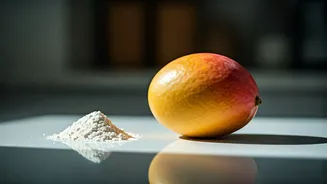
Calcium carbide is a greyish-white chemical compound primarily used in industrial settings for welding and manufacturing. When it comes into contact with moisture, it produces acetylene gas, which mimics the effects of ethylene, the natural plant hormone responsible for ripening. However, commercial-grade calcium carbide is often contaminated with toxic impurities like arsenic and phosphorus. The U.S. Food and Drug Administration (FDA) and other global health bodies do not permit its use as a food ripening agent. Its purpose is strictly industrial, and its presence in the food chain is a dangerous shortcut that prioritizes profit over public health.
The Hidden Health Risks
The danger isn't just in the chemical itself, but in the toxic hitchhikers it carries. Ingesting traces of arsenic and phosphorus can lead to a range of health issues. Short-term effects can include stomach upset, vomiting, diarrhea, and a burning sensation in the mouth and throat. According to public health warnings, prolonged exposure can lead to more severe problems. Neurological symptoms such as dizziness, headaches, mood disturbances, and even seizures have been linked to calcium carbide poisoning. It's a serious concern that turns a sweet treat into a potential health threat.
How to Spot an Artificially Ripened Mango
Becoming a more discerning shopper is your best defense. While it’s not foolproof, there are several clues that can help you distinguish a naturally ripened mango from a chemically treated one:
1. Check the Color: Naturally ripened mangoes have a uniform blend of yellow and orange tones, often with a blush of red. Artificially ripened ones may have unnatural-looking patches of bright yellow alongside green areas that haven't had time to mature.
2. Smell the Stem: A naturally ripened mango has a distinctly sweet, fruity aroma, especially near the stem. A chemically treated one may have a faint, chemical-like smell or no smell at all.
3. Feel the Texture: The fruit might look ripe, but if it feels hard and firm with no give, it was likely forced. A natural mango yields slightly to gentle pressure.
4. Observe the Juice: When you cut into a carbide-ripened mango, it will often be less juicy and may even have a slightly acrid or metallic aftertaste. Some people report a tingling or burning sensation in their mouth.
5. Wash and Peel Thoroughly: As a general precaution, always wash your mangoes under running water before cutting. This can help remove any surface-level contaminants. Peeling the fruit before eating is another layer of protection.
What This Means for U.S. Consumers
While the FSSAI alert was specific to India, the U.S. imports mangoes from around the world. The FDA sets standards for imported produce, but the sheer volume makes it impossible to inspect every shipment. Therefore, the same consumer awareness is valuable here. Your best bet is to buy from reputable sources, including established grocery chains and trusted vendors at farmers' markets. Ask questions about where the fruit comes from. Supporting sellers who are transparent about their sourcing can help ensure you're getting a high-quality, naturally ripened product. The tips for spotting artificially ripened fruit are universal and can be applied to any mango, regardless of its origin.