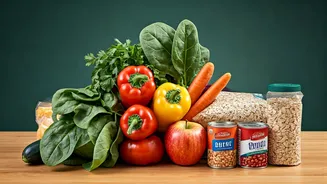









1. Master the Meal Plan
The single most effective tool in your budget-makeover kit is a meal plan. Going to the grocery store without a plan is like navigating without a map—you'll end up with a cart full of impulse buys and no cohesive meals. Take 30 minutes each weekend to map out your breakfasts,
lunches, and dinners for the week. This isn't about rigid, boring meals. It’s about intention. A plan allows you to build a hyper-focused shopping list, ensuring you buy only what you need. It also helps you strategically use ingredients across multiple dishes, drastically cutting down on the dreaded 'what-do-I-do-with-half-a-bunch-of-celery' problem that leads to food waste and wasted money.
2. Embrace 'Boring' Powerhouses
The stars of budget-friendly nutrition aren't exotic superfoods—they're the humble, hardworking staples hiding in plain sight. We're talking about dried beans, lentils, brown rice, oats, and eggs. These foods are nutritional titans, packed with protein, fiber, and essential nutrients for pennies per serving. A one-pound bag of lentils can be the base for a week's worth of hearty soups, salads, and curries for the same price as a single fancy coffee. Learn to love these ingredients. They are the reliable, affordable foundation upon which you can build countless flavorful and filling meals.
3. Go Beyond the Fresh Produce Aisle
While a cart full of vibrant, fresh produce is beautiful, the freezer aisle and canned goods section are where budget champions are made. Frozen fruits and vegetables are picked and flash-frozen at peak ripeness, locking in nutrients. They are often cheaper than their fresh counterparts, especially for out-of-season items, and they last for months, eliminating the pressure to use them before they spoil. Similarly, canned goods like tomatoes, beans, and fish are shelf-stable, inexpensive, and incredibly versatile. Just be sure to look for options with no added salt or packed in water instead of sugary syrups.
4. Become a Food Waste Warrior
According to the USDA, the average American family throws away thousands of dollars worth of food each year. Fighting food waste is a direct investment in your grocery budget. This means using a 'first-in, first-out' system in your fridge, getting creative with leftovers (yesterday’s roasted chicken becomes today’s chicken salad), and using every part of the plant. Broccoli stems can be peeled and roasted, carrot tops can be made into pesto, and vegetable scraps can be saved in the freezer to make a flavorful homemade stock. Proper storage is also key; learning how to keep herbs fresh and produce crisp extends their life and saves you from rebuying them.
5. Rethink Your Center-of-Plate Protein
Meat is often the most expensive item on a grocery list. While you don't have to go fully vegetarian, making a few smart swaps can slash your spending. Try implementing 'Meatless Mondays' and centering meals around plant-based proteins like chickpeas, tofu, or black beans. When you do buy meat, opt for cheaper, more flavorful cuts that benefit from slow cooking, like chicken thighs instead of breasts or pork shoulder instead of loin. You can also 'stretch' your meat by using smaller quantities in dishes packed with vegetables and grains, like stir-fries, chilis, and casseroles.
6. DIY Your Convenience Foods
You pay a significant premium for convenience. Pre-cut vegetables, grated cheese, individual snack packs, and bottled salad dressings all come with a hefty markup. The budget makeover means taking back control. Buy a block of cheese and grate it yourself. Chop your own carrots and celery at the beginning of the week. Mix olive oil, vinegar, and a little mustard for a simple, delicious dressing that costs a fraction of the store-bought version. Making your own overnight oats or a big batch of granola is cheaper and healthier than buying boxes of processed breakfast cereal. A little prep work saves a lot of money.