

The Anatomy of a Perfect Bite
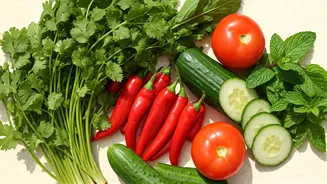
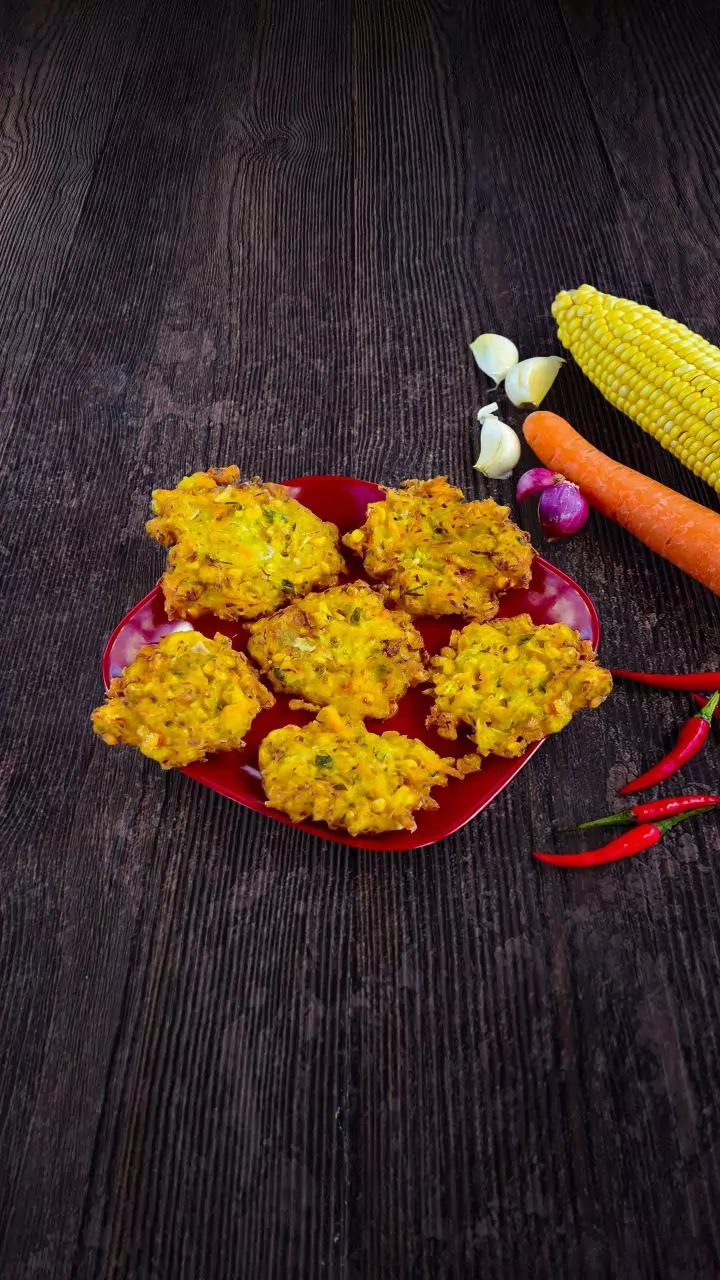
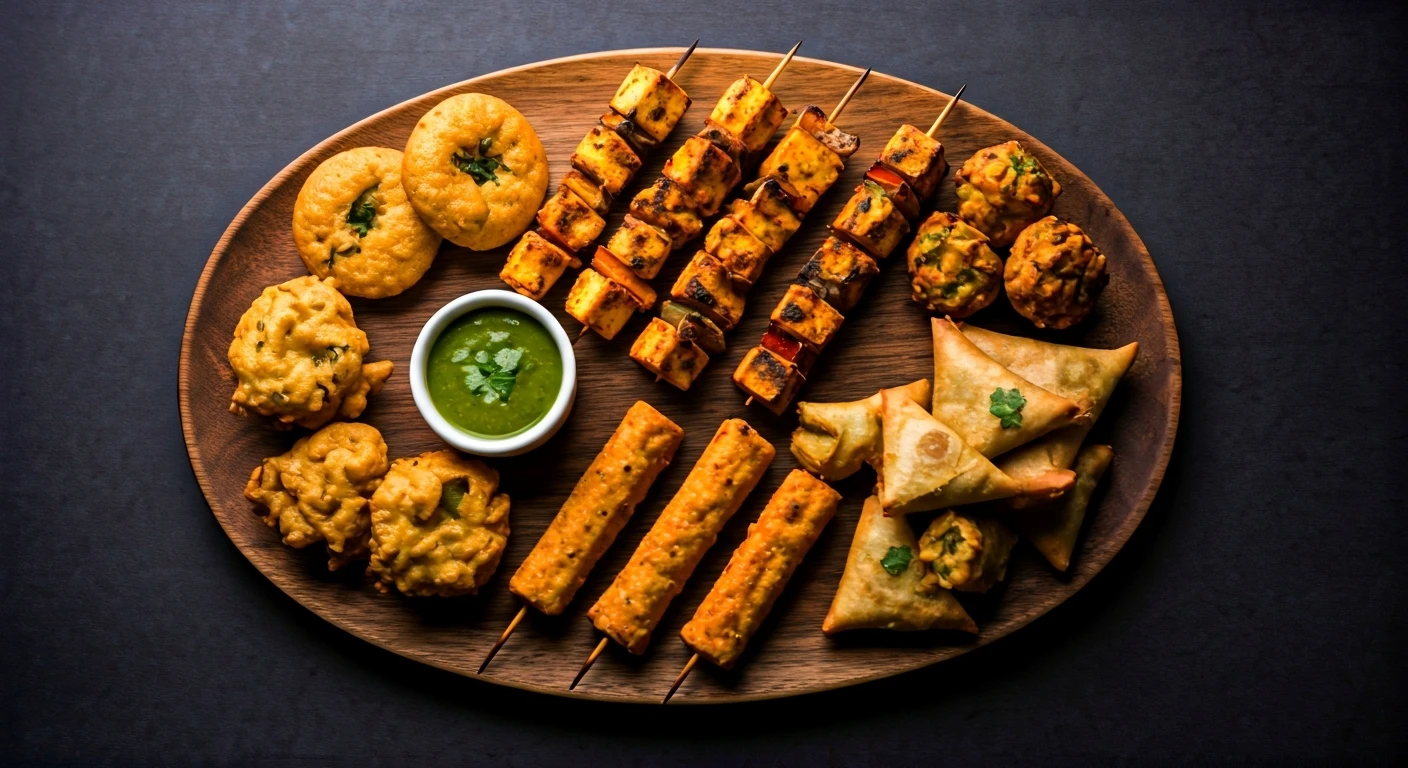
For the uninitiated, a pakora is a savory fritter originating from the Indian subcontinent, and it is the undisputed champion of rainy-day snacks. The concept is simple yet brilliant. Chopped vegetables—most commonly onions, potatoes, spinach, or cauliflower—are
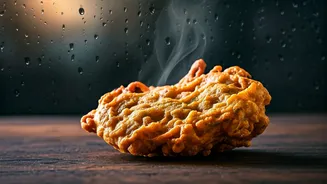
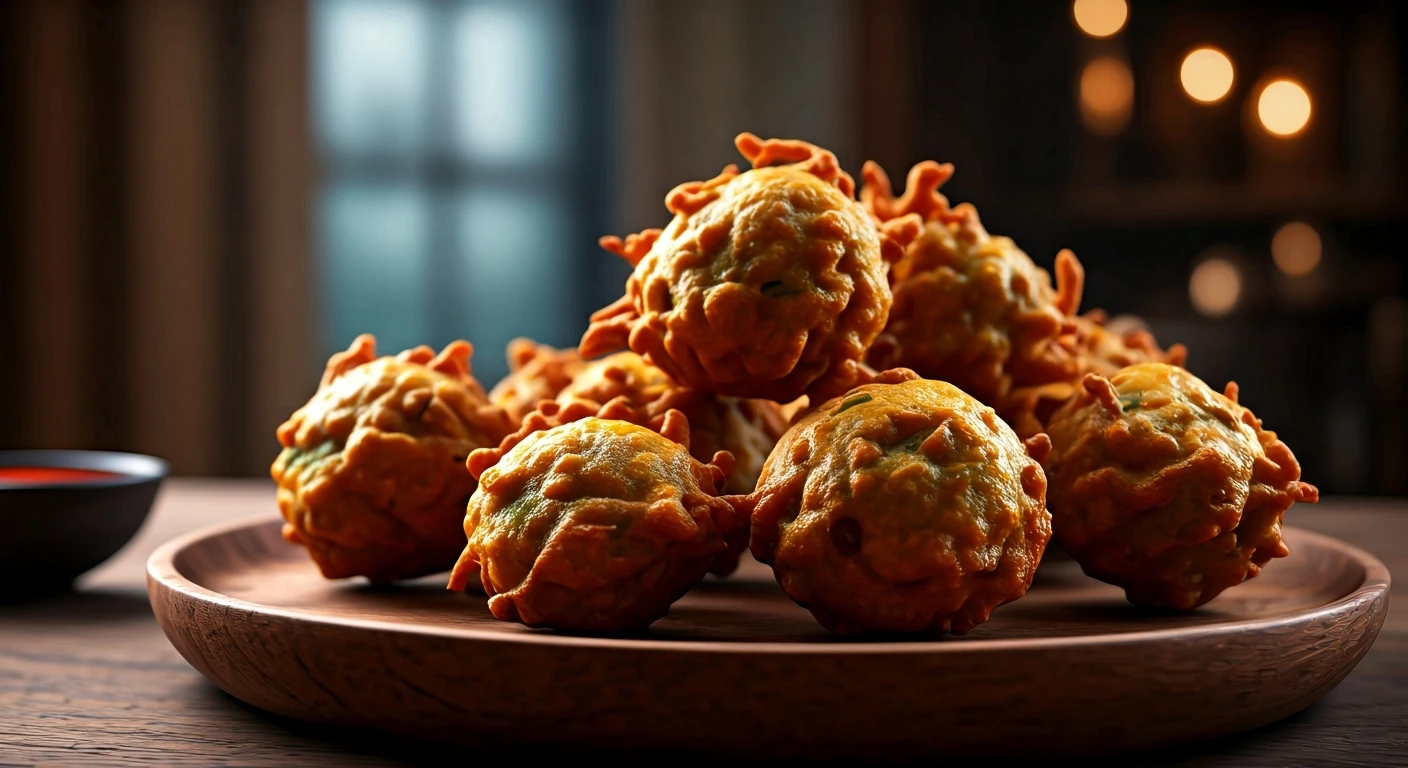
suspended in a thick, seasoned batter made from gram flour (besan). This isn't your light, airy tempura. Gram flour gives the batter a distinct nutty, earthy flavor and a satisfyingly crunchy, craggy texture when deep-fried. Each spoonful is dropped into hot oil, where it sizzles and transforms into a golden-brown, irregularly shaped nugget of pure joy. The outside becomes a crispy, flavorful shell, while the inside remains soft, steamy, and tender. The magic is in the contrast: the crunchy exterior giving way to the sweet, cooked-down onion or the fluffy potato, all held together by a batter humming with spices like turmeric, ajwain (carom seeds), and a hint of chili.
A Deep-Rooted Cultural Ritual
The connection between rain and pakoras is more than just a craving; it’s a cultural institution across India, Pakistan, and Bangladesh. It’s particularly tied to the monsoon season, a period of dramatic, life-giving, and sometimes-disruptive rains. When the downpour forces everyone indoors, the act of making and sharing pakoras becomes a communal ritual. The sizzle of the fritters hitting hot oil provides a comforting counterpoint to the drumming of rain outside. The aroma of spices and frying batter fills the home, creating an atmosphere of warmth and abundance. It’s a sensory experience that is deeply woven into the fabric of family life and social gatherings. The phrase “chai-pakora” is shorthand for this entire mood—a cozy, impromptu celebration shared with family or friends, accompanied by steaming cups of sweet, milky, spiced tea. It’s about turning a potentially gloomy day into an occasion for connection and simple, profound comfort.
A Symphony for the Senses
The genius of the pakora on a rainy evening lies in how completely it engages the senses. First, the sound: the hiss and crackle from the kitchen promise that something good is coming, a sound that battles the dreary patter of the rain. Then, the smell: the nutty fragrance of the gram flour mingling with earthy spices and the savory aroma of frying onions. When they finally arrive, hot and piled high on a plate, there’s the sight of their imperfect, golden-brown shapes, steam still rising from the crags. The first bite is an auditory delight—a distinct crunch that gives way to a soft interior. And finally, the taste and feel: the comforting warmth spreading through you, a perfect antidote to the damp chill in the air. The spice provides a little kick, a burst of energy on a lethargic day. It’s a full-body experience of coziness, a culinary hug in its most direct and delicious form.
Bringing the Ritual Home
You don’t need a monsoon to enjoy this simple pleasure. The next time a storm rolls in, you can easily bring the ritual into your own home. The beauty of the pakora is its versatility and accessibility. Onion pakoras (pyaz ke pakore) are a classic, turning sweet and jammy inside their crispy coating. Potato (aloo) and spinach (palak) are equally beloved. You can even use paneer for a heartier, protein-packed version. The batter is forgiving, requiring little more than gram flour, water, and a handful of common spices. And no plate of pakoras is complete without its dipping sauces. A cool, refreshing mint-coriander chutney and a sweet-and-sour tamarind chutney are the traditional, non-negotiable partners. They cut through the richness of the fried snack and add another layer of complexity. And, of course, don’t forget the chai—brewed strong with milk, sugar, and maybe a hint of ginger or cardamom. It’s the final piece of the puzzle, completing the ritual of turning a gray day into a golden one.