


The Castle on the Hill
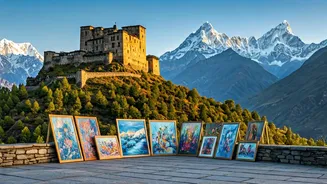
Perched precariously on a cliff edge overlooking the Beas River, Naggar Castle is the village’s historic heart. This isn't a European fairytale fortress but something far more organic and compelling. Built around 1460 by Raja Sidh Singh, it’s a stunning
example of Kath-Kuni architecture, a local style using interlocking layers of wood beams and stone without mortar. This clever construction has allowed it to withstand centuries of earthquakes and Himalayan weather. For decades, the castle served as the seat of the Kullu kingdom before the capital was moved. Today, it’s a heritage hotel managed by the state tourism department. You don’t have to stay here to experience its magic; visitors can wander its creaking wooden balconies, explore the small temple in the courtyard, and soak in the panoramic views of snow-capped peaks. The castle’s on-site restaurant offers a chance to sip chai while gazing at the same valley vistas the ancient kings once surveyed.
A Russian Artist's Himalayan Muse
Naggar's cultural significance skyrockets thanks to an unlikely resident: Nicholas Roerich. A celebrated Russian artist, writer, and philosopher, Roerich and his family settled in Naggar in 1929 after extensive expeditions across Asia. He saw the Himalayas not just as mountains but as a spiritual realm, a belief that permeates his stunning body of work. His former home is now the Roerich Art Gallery, a must-visit site. Walking through the rooms, you're surrounded by his vivid, ethereal paintings of the Himalayan landscape. The canvases pulse with shades of blue, purple, and pink, capturing the mountains in different lights and moods. The gallery preserves the family’s living quarters, offering a glimpse into the life of this fascinating intellectual who was once nominated for a Nobel Peace Prize. The estate feels frozen in time, a testament to a man who found his spiritual home thousands of miles from his birthplace and immortalized its beauty for the world.
Gateway to Majestic Peaks
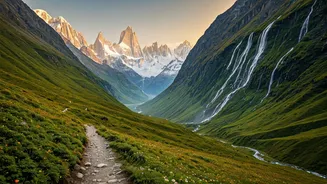
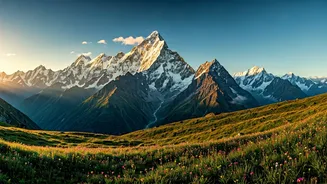
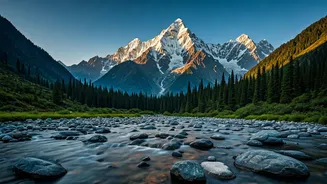
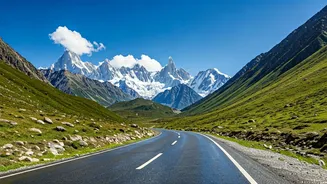
While art and history provide Naggar’s cultural soul, the mountains provide its breathtaking backdrop and its sense of adventure. Situated on the valley’s quieter eastern bank, Naggar offers a more serene alternative to the bustling tourist hub of Manali just down the road. From almost anywhere in the village, your eyes are drawn upward to the towering peaks of the Pir Panjal range. This isn’t just a place for passive viewing; it’s an active base for exploration. Gentle walks through pine forests and apple orchards are easily accessible, leading to smaller, even more secluded villages. For the more ambitious, Naggar is the starting point for several classic Himalayan treks, including the one to the remote village of Malana over the Chanderkhani Pass. The air is crisp, the silence is profound, and the scale of the landscape has a way of putting everyday worries into perspective. It’s a place to walk, to breathe, and to simply be.
The Soul of the Village
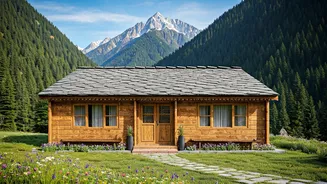
What makes Naggar truly special is how these three elements—castle, art, and mountains—are woven into the fabric of a living, breathing village. This isn’t a curated historical park. Walking the steep, winding lanes, you'll pass ancient stone-roofed homes, guesthouses overflowing with flowers, and locals going about their daily lives. The village is dotted with small but significant temples, like the ancient pagoda-style Tripura Sundari Temple, a focal point for community life. Unlike more commercialized mountain towns, Naggar retains a quiet, contemplative atmosphere. It invites you to slow down. It’s the kind of place where your afternoon plan might simply be finding a café with a good view and losing track of time. The combination of grand history, world-class art, and overwhelming nature in such a tranquil, intimate setting is what makes Naggar not just a stop on a travel itinerary, but a destination that truly captures the heart.