





The Ghost of Fitness Past
For the better part of a decade, the prevailing fitness ethos was clear: more is more. Fueled by Millennial hustle culture and the rise of Instagram, the ideal workout was often punishing. Think grueling bootcamps, ultra-intense HIIT sessions, and the pervasive
“no pain, no gain” philosophy. Fitness was frequently framed as a battle to be won—a way to conquer your body, burn as many calories as possible, and sculpt a physique worthy of a perfectly curated social media feed. This was the era of performative wellness, where workout selfies and marathon training posts became cultural currency. The underlying message was one of optimization and relentless self-improvement, often at the expense of mental peace and physical rest.
Defining the 'Mindful' Alternative
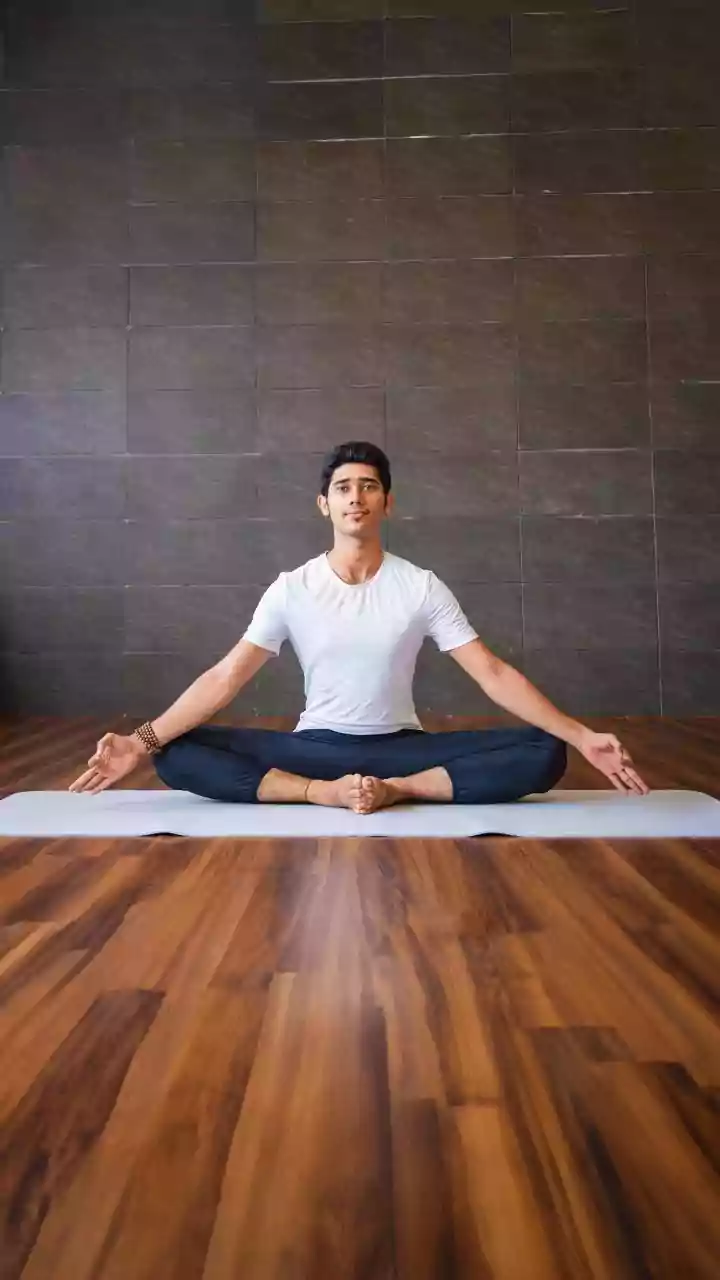
In stark contrast, Gen Z is championing a different approach. “Mindful movement” isn’t about a specific type of exercise, but rather a shift in intention. It prioritizes how a workout feels over how it looks or how many calories it burns. This umbrella includes trends like “cozy cardio” (leisurely movement like walking on a treadmill while watching a movie), Pilates, yoga, stretching, and simply taking long walks. The focus is on connecting with your body, honoring its limits, and moving for joy and mental clarity. It’s about intuitive exercise—doing what feels good on any given day, whether that’s a dance class or a gentle stretching session, rather than forcing a pre-scheduled, high-impact routine.
A Direct Response to Burnout
This pivot in fitness philosophy isn't happening in a vacuum. Gen Z came of age watching the generation before them burn out. They witnessed the mental and physical toll of the “rise and grind” mentality and have actively sought to build lives with more balance and less pressure. For them, adding a punishing workout on top of an already stressful day of work or school makes little sense. Instead of viewing exercise as another box to check on an endless to-do list, they are reframing it as an antidote to modern stress. A mindful workout is a form of active recovery from the pressures of daily life, not another source of it. This perspective treats well-being holistically, where mental health is just as important as physical fitness.
Exercise as Self-Care, Not Punishment
The core of this movement is the reclassification of exercise from a tool of punishment to an act of self-care. The old model often linked exercise to atonement—working off a “bad” meal or pushing yourself to achieve a certain body type promoted by media. This created a cycle of guilt and obligation. Gen Z is largely rejecting this. For many, the goal isn't a smaller waist or a six-pack, but a calmer mind. They are exercising to reduce anxiety, boost their mood, and feel more grounded in their bodies. This approach decouples movement from aesthetics, freeing fitness from the immense pressure of achieving an often-unattainable physical ideal and turning it into a sustainable, enjoyable practice.
How Social Media Fuels the Shift
While Instagram once glorified the perfect, chiseled fitness influencer, TikTok has become the home of the relatable wellness creator. The platform’s algorithm favors authenticity, and trends like #CozyCardio and #MindfulMovement have exploded. Here, users see people who look like them, exercising in their living rooms, talking openly about mental health struggles, and celebrating the joy of a simple walk. This new wave of digital influence makes fitness feel more accessible and less intimidating. It's a powerful counter-narrative to the glossy, exclusionary world of elite fitness, proving that you don't need expensive gear or a gym membership to take care of yourself.