





From Marketing Tool to R&D Engine
For decades, the tasting table at a grocery store or farmer's market had a simple goal: convince you to buy the product right then and there. It was the final step in a long, expensive product development journey. Today’s nimble food brands are flipping
that script. They’re using tastings, pop-ups, and direct-to-consumer feedback loops not as the end of the process, but as the very beginning. Instead of asking, “Do you like this enough to buy it?” they’re asking, “What should we make next?” This transforms the tasting from a passive marketing moment into an active, collaborative workshop. It’s a fundamental shift from the old model of creating products in a corporate vacuum and hoping they land, to co-creating them with the very people who will eventually buy them.
The Old Way: Slow and Shielded
To understand why this new approach is so revolutionary, consider how giant food conglomerates have traditionally operated. Developing a new snack or sauce was a high-stakes, multi-year affair. It involved sequestered R&D teams, chemists in lab coats, and top-secret recipes. The only customer feedback came from tightly controlled focus groups, where a handful of paid participants would offer opinions from behind a one-way mirror. The process was slow, astronomically expensive, and often disconnected from real-world consumer behavior. By the time a product finally hit shelves, the trend it was designed to capture might have already passed. This legacy model left little room for risk, experimentation, or the kind of rapid pivots that define modern startup culture.
How Today's Trend Labs Work
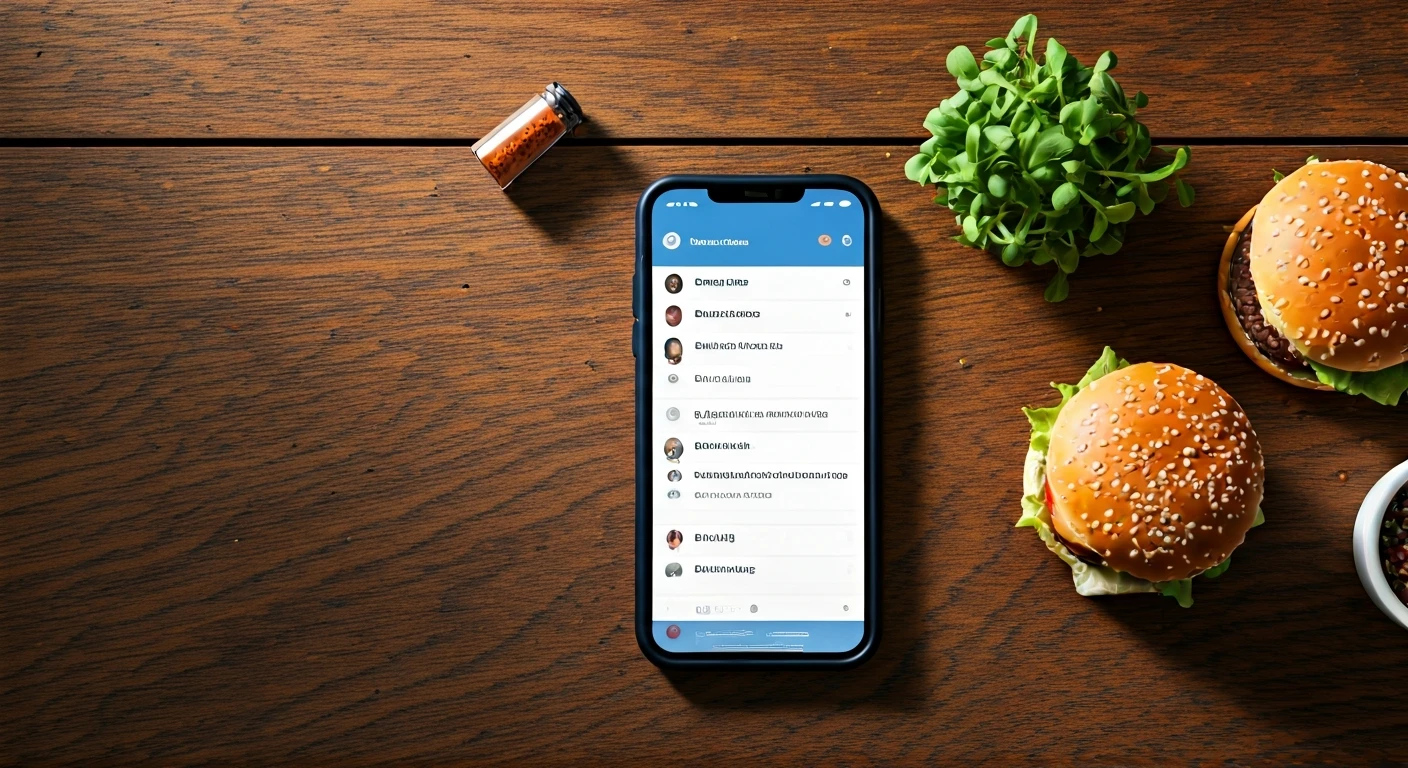
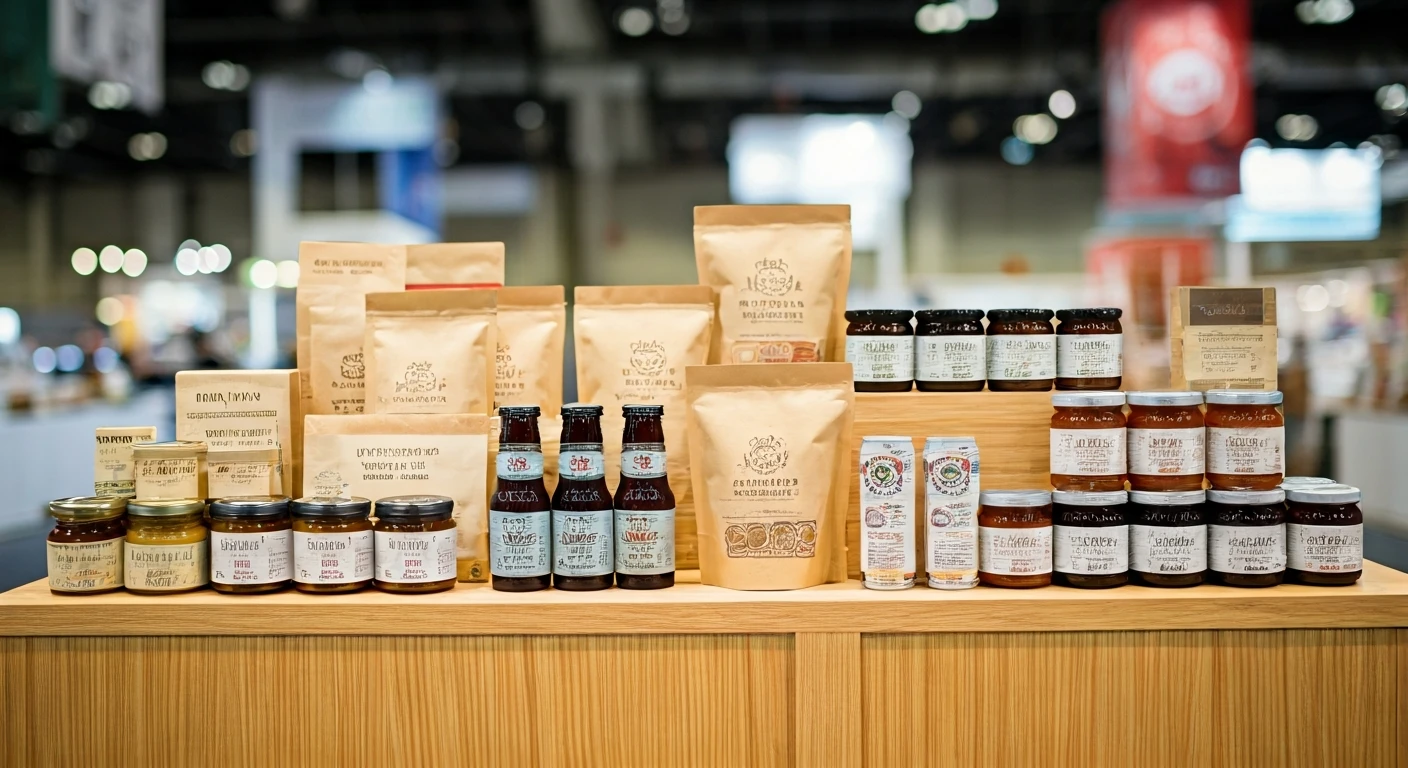
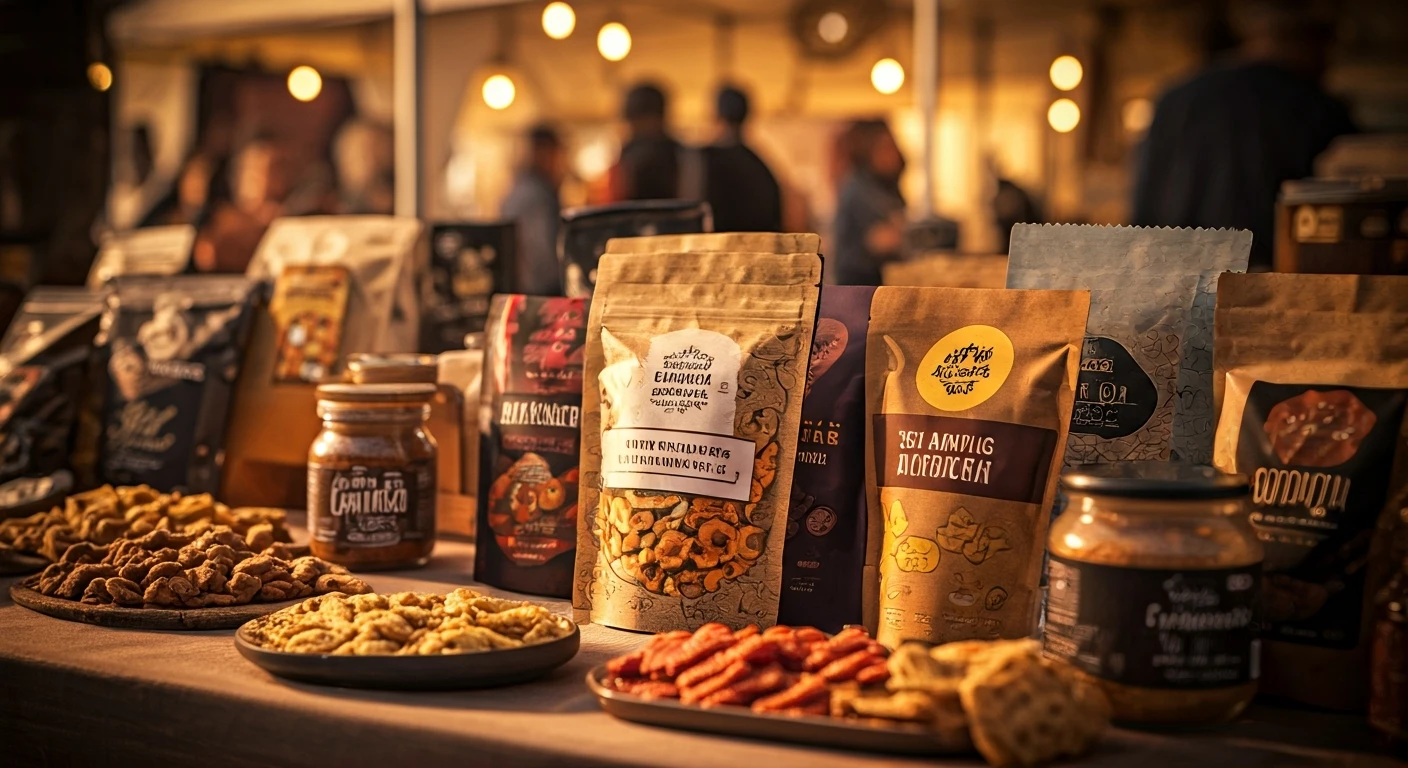
So what does a tasting-as-trend-lab look like in practice? It’s often a scrappy, tech-enabled operation. A startup might show up at a local market with three variations of a new hot sauce, each with a subtle difference—one with more lime, another with a smokier chile. Customers are invited to taste all three and scan a QR code to vote for their favorite and leave detailed comments. Founders aren't hiding in an office; they're on the front lines, observing reactions, asking direct questions, and listening to suggestions. They’re tracking not just which version is most popular, but the language people use to describe it. Is it “bright,” “bold,” or “complex”? That qualitative data is gold, informing everything from the final recipe to the marketing copy on the label. This “test-and-learn” approach allows brands to iterate on a product weekly, not yearly, de-risking a full-scale launch by confirming demand before investing in mass production.
Building a Community, Not Just a Product
The benefits of this strategy extend far beyond product development. By inviting customers into the creative process, these startups are fostering something much more valuable than a sale: a loyal community. When a customer gives feedback that is actually implemented, they feel a sense of ownership and connection to the brand. They become evangelists, sharing the story of how they “helped create” their favorite new olive oil or granola. This is a powerful form of marketing that money can’t buy. Brands like the Asian pantry-starter company Omsom built their initial buzz by engaging directly with a core group of tastemakers and home cooks, ensuring their flavors were authentic and resonated deeply. The tasting lab, in this sense, is also a community-building hub, creating a built-in audience that is already invested in the product’s success long before it’s available nationwide.