


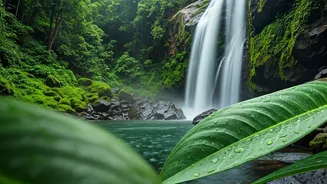
The World Turns Emerald Green
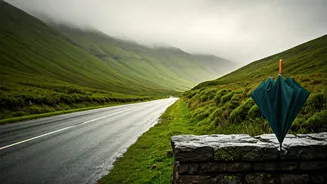
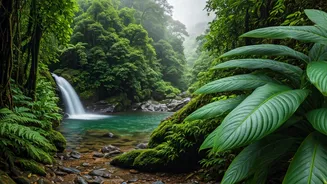
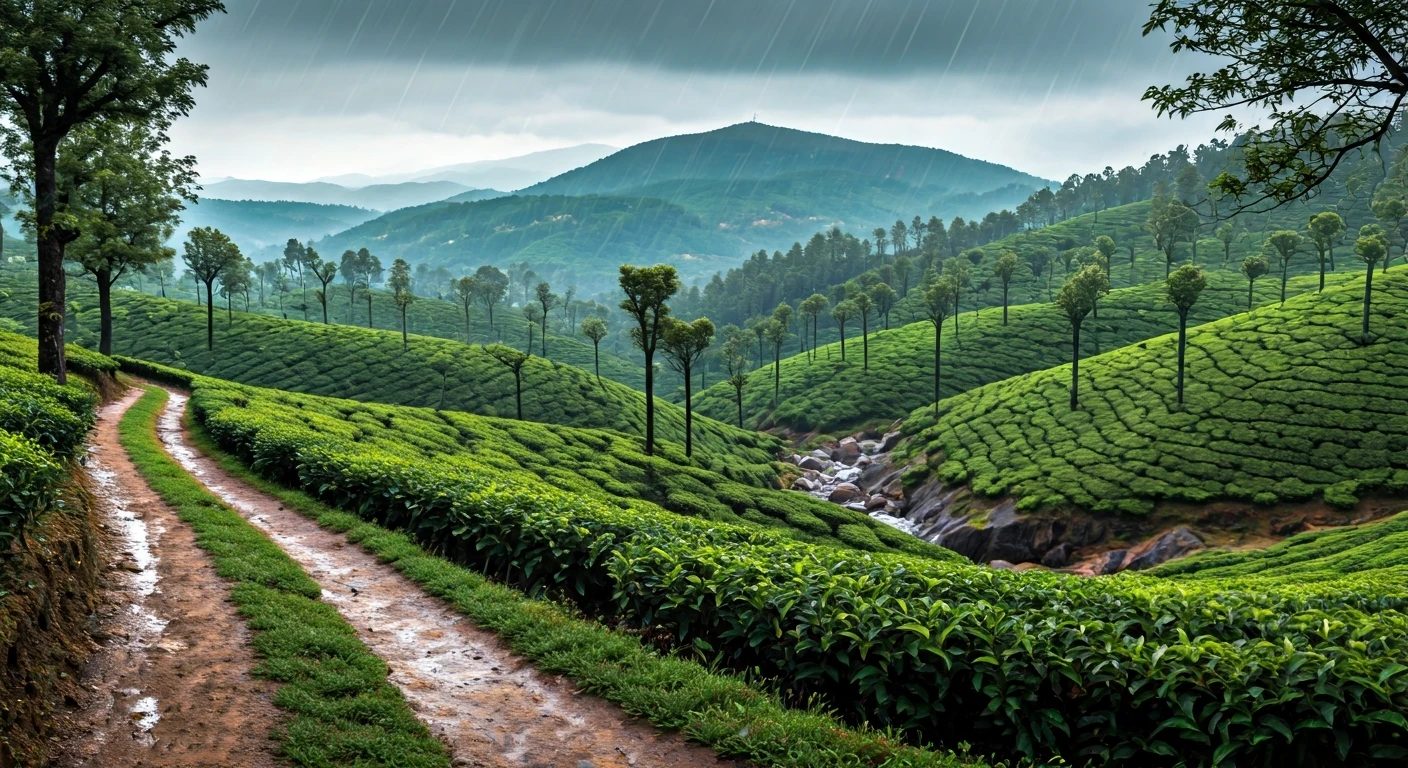
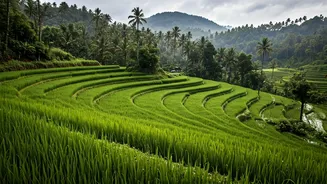
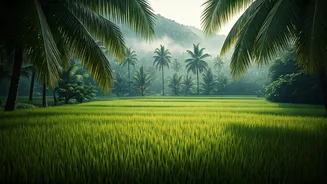
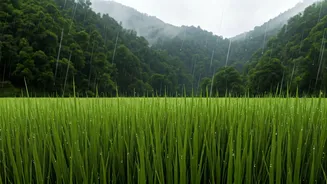
Forget the postcard-perfect but sometimes-parched look of the dry season. The monsoon is Kerala's glow-up. From June to September, the landscape undergoes a dramatic transformation, becoming an impossibly vibrant, emerald-green wonderland. The rains wash
the dust from every leaf, saturating the tea plantations of Munnar and the jungles of the Western Ghats with color. For photographers and nature lovers, this 'secret season' offers a visual feast that the peak tourist months simply can't match. It’s a time when the very air feels alive, thick with the scent of wet earth and blooming flowers.
Fewer Crowds and Better Deals
This is the backpacker's holy grail. The monsoon is considered the off-season, which means the crowds that throng popular spots like Fort Kochi, Varkala cliffs, and the backwater hubs simply aren't there. You get the iconic canals of Alleppey and the misty hills of Wayanad almost to yourself. This translates directly into bargaining power. Accommodations, from budget guesthouses to more comfortable homestays, often offer significant discounts. The same goes for houseboat rentals and even some activities. It’s a chance to experience a premium destination on a shoestring budget, allowing you to stay longer and connect more deeply with the place, not the tourist rush.
Ayurveda Works Its Magic
Kerala is the global capital of Ayurveda, the ancient Indian system of wellness. Local wisdom holds that the monsoon is the absolute best time for these treatments. The theory is that the cool, moist, dust-free atmosphere opens up the pores, making the body more receptive to herbal oils and therapies. Whether it's a simple therapeutic massage or a multi-week 'panchakarma' detoxification program, the rainy season is believed to enhance the healing process. For a backpacker carrying the physical strains of the road, a week of affordable, authentic Ayurvedic rejuvenation can be a trip-defining experience.
Waterfalls and Backwaters Roar to Life
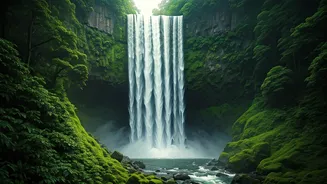
Many of Kerala's famous waterfalls are a mere trickle during the hot season. But during the monsoon, they become thunderous, spectacular forces of nature. Places like Athirappilly Falls, often called the 'Niagara of India,' are at their most powerful and awe-inspiring. Similarly, the famous backwaters—a network of canals, lakes, and rivers—are replenished and teeming with life. A journey on a local ferry or a traditional houseboat during a downpour, with the rain drumming on the roof as you glide past lush paddy fields, is an atmospheric experience that sunny weather can't replicate.
The Cozy Vibe and Cultural Festivals
There is a unique romance to the monsoon. It encourages a slower, more contemplative pace of travel. It's the perfect excuse to curl up in a local cafe with a book and a steaming cup of masala chai, watching the world get washed clean outside. Furthermore, the season is dotted with vibrant culture. If your timing is right (typically late August or early September), you can witness Onam, the state's biggest harvest festival, marked by elaborate flower carpets, grand feasts, and the famous snake boat races. These are not tourist shows; they are authentic, community-driven celebrations that offer a fantastic window into Keralan life.
A Note on Preparation
Being a 'smart' backpacker means being prepared. The magic of the monsoon comes with a few practical realities. Pack lightweight, quick-dry clothing and a reliable waterproof jacket. Good, grippy footwear is essential, as paths can get slippery. Be flexible with your itinerary, as heavy rains can occasionally cause travel delays. And if you’re trekking in grassy areas, be mindful of leeches—leeche-proof socks or a bit of salt will do the trick. A little preparation ensures you can fully embrace the rain instead of fighting it.