
The Hidden Costs of an Indoor Oasis
Until recently, the dream of a year-round indoor garden came with a notable environmental price tag. The biggest culprit was lighting. Old-school fluorescent or incandescent grow lights were notorious energy hogs, driving up electricity bills and contributing
to a significant carbon footprint just to keep a few basil plants happy. Many setups also relied on a constant supply of fresh water, much of which would evaporate or drain away, unused. And then there was the material waste. Garden centers are filled with flimsy plastic pots and trays destined for the landfill, while many popular potting soils are built on a base of peat moss. The harvesting of peat moss from fragile bog ecosystems is a major environmental concern, as it releases stored carbon and destroys unique habitats that take centuries to form. This combination of high energy use, water waste, and unsustainable materials created a quiet conflict for many eco-conscious gardeners.
A Revolution in Light
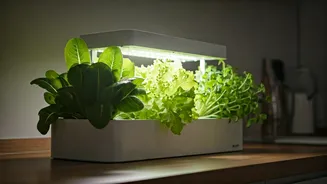
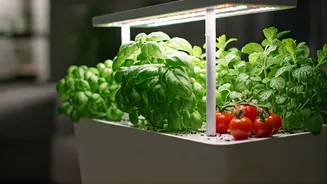
The single biggest game-changer for guilt-free indoor gardening is the widespread availability of affordable, high-efficiency LED grow lights. Unlike their predecessors, modern LEDs are surgical in their precision. They can be engineered to produce the exact wavelengths of light—mostly reds and blues—that plants need for photosynthesis, wasting very little energy producing yellow and green light that plants largely reflect. The result? LEDs use up to 75% less energy and last 25 times longer than incandescent bulbs. They also generate far less heat, which reduces the risk of scorching your plants and eliminates the need for noisy, energy-intensive fans to cool your grow space. What was once the biggest source of environmental guilt is now a highly efficient, targeted technology, making it possible to power a thriving herb garden for pennies a day.
Smarter Than Soil
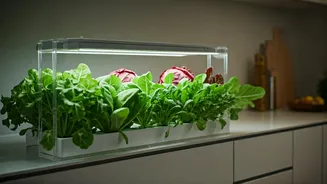
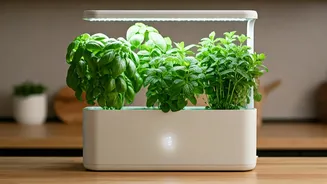
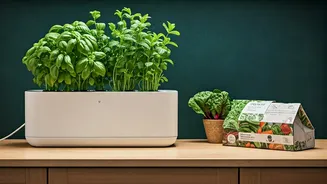
While soil is great outdoors, indoors it can be messy and inefficient. This is where hydroponic and aeroponic systems have come into their own. Once the domain of commercial farms and dedicated hobbyists, compact, user-friendly hydroponic kits are now everywhere. These systems grow plants directly in a nutrient-rich water solution, eliminating soil entirely. Because they operate as closed loops, they use up to 90% less water than traditional soil gardening. The water and nutrients that aren't absorbed by the plants' roots are simply recirculated back into the system for the next cycle. This dramatically reduces water waste and prevents nutrient runoff, a form of pollution common in conventional agriculture. For apartment dwellers, it also means no more lugging heavy bags of potting mix up the stairs and no risk of soil-borne pests invading your home.
Beyond the Plastic Pot
The final piece of the guilt-free puzzle is the move away from disposable materials. The sustainable gardening movement has ushered in a new era of eco-conscious containers and growing media. Instead of peat moss, gardeners can now choose from a variety of excellent alternatives made from renewable resources. Coco coir, a byproduct of the coconut industry, is perhaps the most popular, offering fantastic water retention and aeration. Other options include composted bark, rice hulls, and worm castings. On the container front, the flimsy black plastic pot is being replaced by more durable and sustainable choices. You can find pots made from recycled plastic, bamboo fiber, or fabric, all of which can be reused for years. Many of the all-in-one hydroponic systems are designed as permanent fixtures, built to last for a decade or more, sidestepping the cycle of disposable plastics entirely.