





From Opulence to Well-Being
For decades, a high-end apartment in Mumbai or Delhi was defined by its opulence: Italian marble, imported fixtures, and a prestigious address. Today, a new, more profound definition of luxury is taking hold. Enter the 'wellness home'—a residence designed
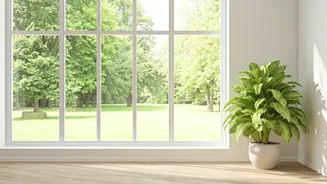
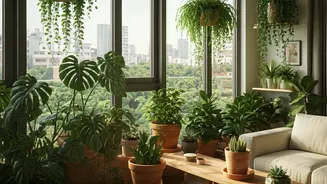
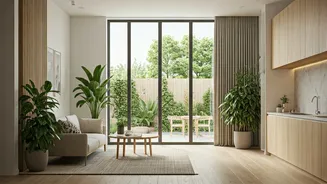
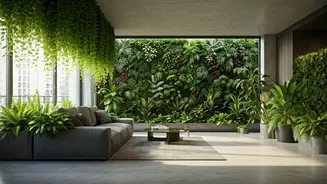
not just for comfort, but for the holistic health of its occupants. This isn't just about adding a gym in the basement. It's a fundamental rethinking of residential space, engineered to combat the stresses of modern urban life. Features that were once niche are becoming standard in premium projects: centralized air purification systems to combat city smog, advanced water filtration, and large windows oriented to maximize natural light and airflow. Developers are integrating 'biophilic' design, which uses natural materials, plant life, and views of nature to reduce stress and improve cognitive function. Think living walls in the lobby, private terrace gardens, noise-canceling acoustic design, and even designated meditation spaces. The sales pitch has shifted from 'live in luxury' to 'live well.'
The Twin Drivers: Pollution and Pandemic
This rapid shift wasn't born in a vacuum. It was accelerated by two powerful forces. First, the pre-existing and acute environmental challenges in India’s largest cities. With urban centers like Delhi and Mumbai frequently topping global air pollution charts, affluent buyers were already seeking refuge. The idea of a home as a 'sanctuary' from the toxic air outside had strong appeal. Developers who once sold a view of the city skyline are now selling a haven with certifiably clean air. Second, the COVID-19 pandemic acted as a massive catalyst. Lockdowns forced millions of urban professionals to spend unprecedented amounts of time inside their homes, which suddenly had to function as offices, schools, and gyms. This experience created a hyper-awareness of how one's immediate environment impacts both physical and mental health. The demand for more space, better air quality, and access to green, open areas skyrocketed. For many, the pandemic transformed a 'nice-to-have' amenity into an absolute necessity, providing a massive tailwind for the wellness real estate movement.
Where Concrete Jungles Turn Green
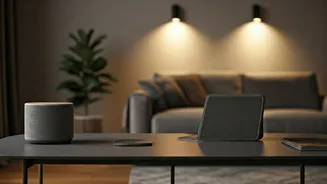
Across India's major metropolitan areas, developers are racing to meet this new demand. In the Mumbai Metropolitan Region, major players like Lodha Group are marketing projects with acres of green space, organic gardens, and world-class air filtration. In Delhi-NCR, where winter smog is a severe annual crisis, projects are being designed with a 'fortress wellness' mentality. It’s no longer enough to be in a good neighborhood; the building itself must provide a clean-air bubble. Similarly, in the tech hub of Bengaluru, known for its once-pleasant climate now strained by rapid growth, developers are integrating smart-home technology that monitors and adjusts air quality in real-time, alongside amenities like yoga decks and jogging tracks woven into the property. These projects are commanding premium prices, attracting a clientele that sees the higher cost as a direct investment in their family’s long-term health.
A Glimpse of the Global Future
While this trend is particularly pronounced in India due to its unique environmental pressures, it's not an isolated phenomenon. It's the sharpest edge of a global shift that’s also visible in the U.S. and Europe, where standards like the WELL Building Standard are gaining traction. What makes the Indian case so compelling is the speed and scale of its adoption in the premium market. It serves as a powerful case study for how urban populations will respond to growing health and environmental anxieties. The wellness home boom in India reveals a fundamental truth: as cities become denser and more stressful, the ultimate luxury will be well-being. The features pioneering in Mumbai and Delhi today—focused on clean air, mental peace, and a connection to nature—are likely to become the benchmark for desirable urban living worldwide in the coming decade. This isn't just about real estate; it's about redefining the very purpose of a home in the 21st century.