
Beyond the Buffet Stereotypes
For many Americans, Indian food conjures images of creamy chicken tikka masala, buttery paneer, and pillowy white naan bread. While delicious, this represents only a sliver of a vast and complex culinary universe. For decades, the most visible Indian cuisine
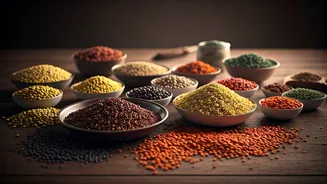
in U.S. has been dominated by a handful of rich, North Indian dishes that gained popularity for their comforting, decadent flavors. But back in India, and increasingly in trend-setting restaurants abroad, a powerful shift is underway. Chefs and home cooks are consciously moving away from the processed wheat and polished rice that became dominant in the 20th century. Instead, they are embracing a 'fibre-forward' philosophy, one that proudly puts whole grains, forgotten vegetables, and a stunning variety of lentils and legumes at the center of the plate.
A Return to Ancient Roots
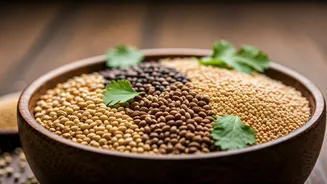
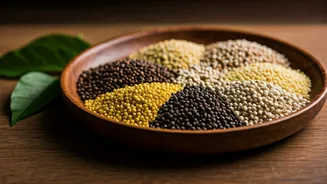
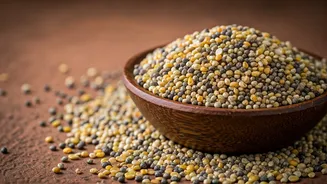
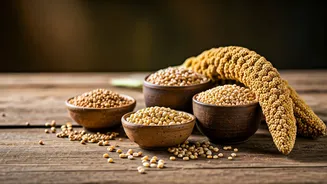
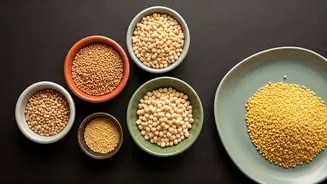
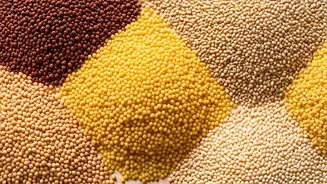
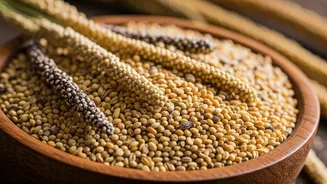
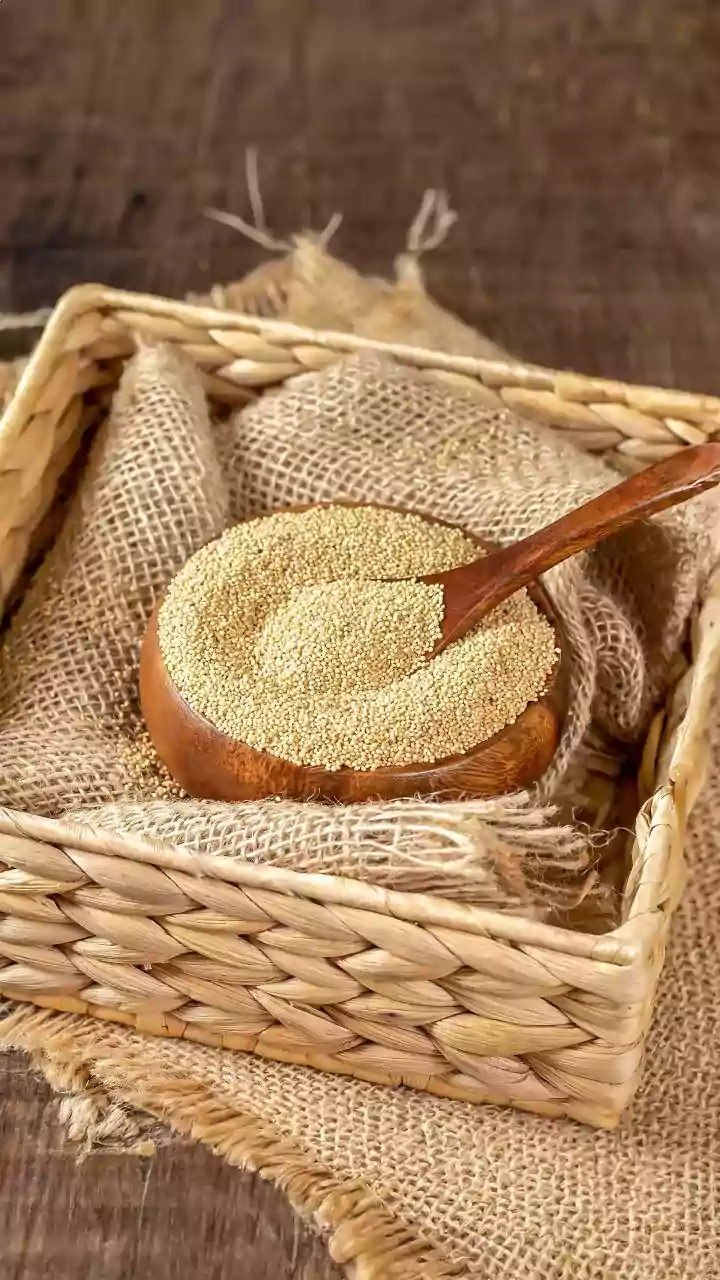
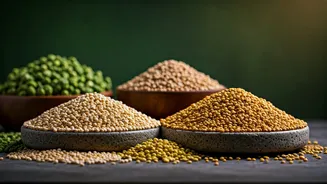
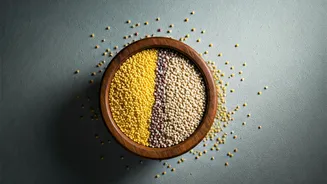
This isn't a new health fad imported from the West; it's a rediscovery of India's own agricultural heritage. For thousands of years, the Indian diet was built on a diverse array of hardy, drought-resistant grains known as millets—like jowar (sorghum), ragi (finger millet), and bajra (pearl millet). These were the true staples, providing sustained energy and essential nutrients to vast populations. The Green Revolution of the 1960s and '70s, while successful in combating famine, dramatically changed this landscape. It prioritized high-yield crops like wheat and rice, pushing millets to the margins, where they were often dismissed as 'coarse' or 'poor man’s food.' Today, a confluence of factors—including a greater focus on health, sustainability, and a renewed sense of cultural pride—is driving a powerful millet renaissance. The UN even declared 2023 the 'International Year of Millets,' largely in recognition of India's campaign to bring these super-grains back to global prominence.
The Modern Millet Makeover
The key to this revival is making ancient grains feel modern and exciting. Chefs are leading the charge, transforming the perception of millets from rustic porridge to a versatile, gourmet ingredient. In hip cafes from Mumbai to New York, you'll now find ragi dosas that are crispier and nuttier than their rice-based cousins, fluffy upma made from foxtail millet instead of semolina, and even decadent desserts like bajra brownies. Because most millets are naturally gluten-free and packed with fiber, protein, and micronutrients, they align perfectly with modern wellness goals. They help regulate blood sugar, improve digestion, and keep you feeling full longer. This potent combination of health benefits and culinary versatility is making them a hero ingredient for a new generation of cooks and eaters who want food that is both delicious and genuinely good for them.
From Farm to Five-Star Table
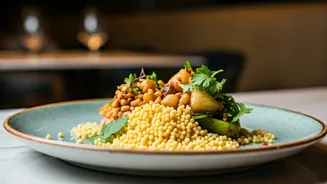
This fibre-forward movement isn't just happening in home kitchens. It's being celebrated in some of the most acclaimed restaurants in the world. Top chefs are building entire tasting menus around indigenous ingredients and traditional cooking techniques. They are working directly with farmers to revive heirloom varieties of lentils and vegetables, showcasing the incredible biodiversity of the Indian subcontinent. By placing a humble millet khichdi (a simple porridge) on a fine-dining menu, they are making a profound statement: that the true luxury of Indian food lies not in imported ingredients or heavy sauces, but in the integrity and flavor of its native pantry. This high-profile embrace gives cultural permission for millions to see their own traditional foods not as old-fashioned, but as a source of timeless wisdom and contemporary pride.