

The Backlash Against 'Perfect'
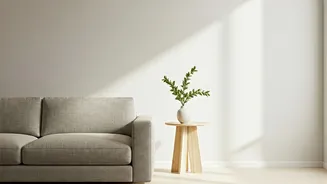
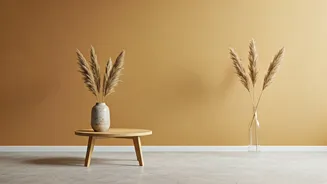
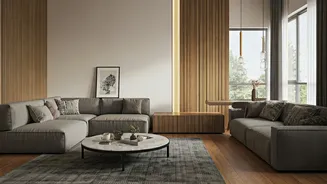
The global obsession with Scandinavian minimalism and flat-pack furniture created a uniform, almost sterile, aesthetic that could be found anywhere from San Francisco to Mumbai. It was clean, efficient, and easy to replicate, but for many, it began to feel
soulless. In India, a country with an unparalleled history of artisanship, this disconnect was especially pronounced. The new movement in Indian interior design isn't a rejection of modernity, but an enrichment of it. It’s a conscious turn away from mass-produced perfection and toward something more authentic, layered, and deeply personal. Homeowners and designers are no longer asking, “Does this look like the magazine?” but rather, “Does this space tell our story?” This shift, accelerated by the pandemic’s intense focus on our immediate surroundings, is about creating sanctuaries that comfort, inspire, and reflect a unique identity.
It Starts with Texture
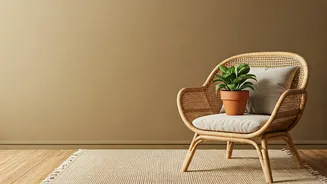
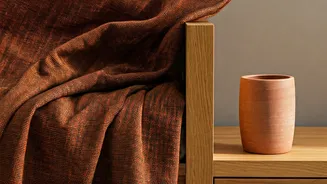
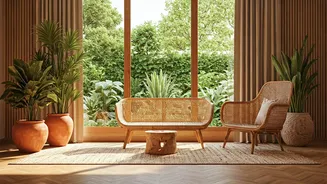
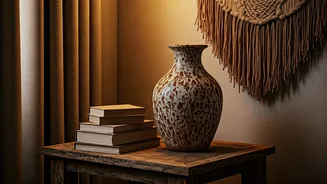
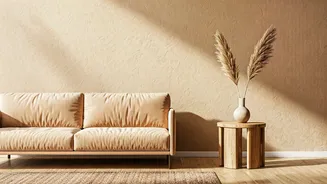
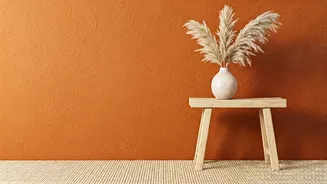
The first and most noticeable element of this trend is a full-bodied embrace of texture. This is a sensory rebellion against smooth, glossy surfaces. Think walls finished with lime wash (badami) that offer a soft, chalky depth, or floors laid with hand-cut stone that feel cool and solid underfoot. The textiles are where this truly comes alive. Generic polyester is being replaced by hand-loomed khadi cotton, nubby raw silks, and plush wool dhurries (rugs) that invite touch. Furniture is no longer just about clean lines; it’s about the grain of reclaimed teak, the intricate weave of a cane chair, or the cool, hammered surface of a brass tabletop. Each material is chosen not just for its look, but for its feel and its inherent imperfections, which are now seen as marks of character, not flaws.
A Home That Tells a Story
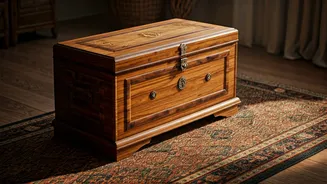
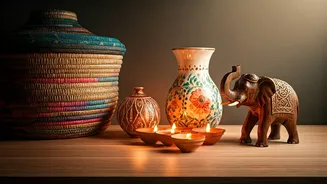
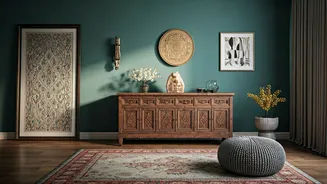
The most profound part of this shift is the emphasis on narrative. A home becomes a living museum of personal history and taste. This isn't about curated clutter; it's about thoughtful storytelling. An old wooden chest from a grandparent’s village might be lovingly restored and used as a coffee table. A collection of brass vessels, once used for daily rituals, could be arranged as a sculptural art piece. Instead of a generic print from a big-box store, the focal point of a room might be a commissioned painting from a local artist or a complex Pichwai painting depicting ancient folklore. The objects in the home are no longer just décor—they are conversation starters, memory keepers, and anchors to one’s roots. This approach creates spaces that feel evolved over time, rather than installed in a weekend.
Celebrating the Hand of the Maker
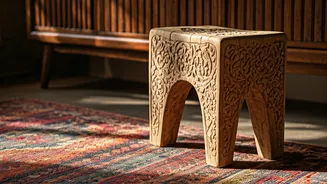
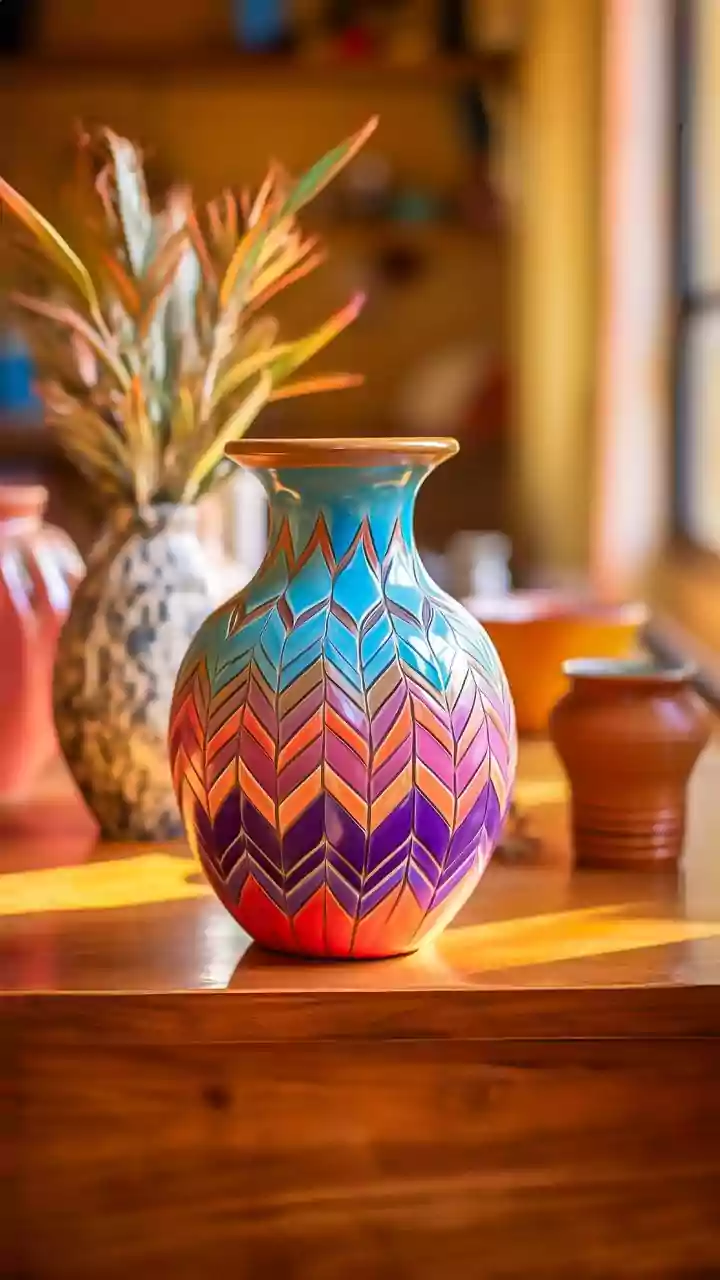
Finally, this trend is a powerful tribute to craft. It’s a direct partnership between contemporary designers and the subcontinent's vast community of artisans. Designers are working with craft clusters across the country to revive and reinterpret ancient techniques for a modern audience. This can mean custom block-printed fabrics for upholstery, intricate zardozi embroidery on cushions, or hand-thrown terracotta lighting fixtures. By prioritizing craft, these homes become a showcase for human skill and a stand against disposable culture. Choosing a hand-carved cabinet or a hand-woven textile is not just an aesthetic decision; it's an economic and ethical one. It supports sustainable livelihoods, preserves cultural heritage, and brings an irreplaceable human element into the home that no machine can replicate.