



From Niche to Mainstream
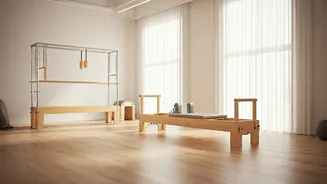
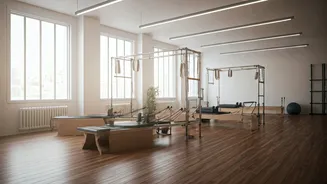
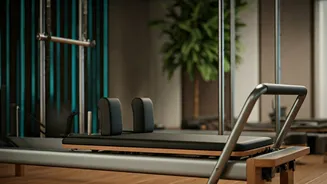
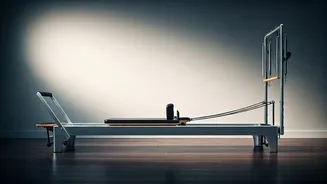
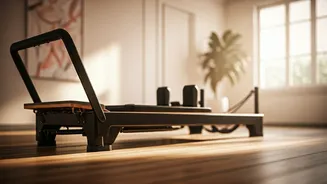
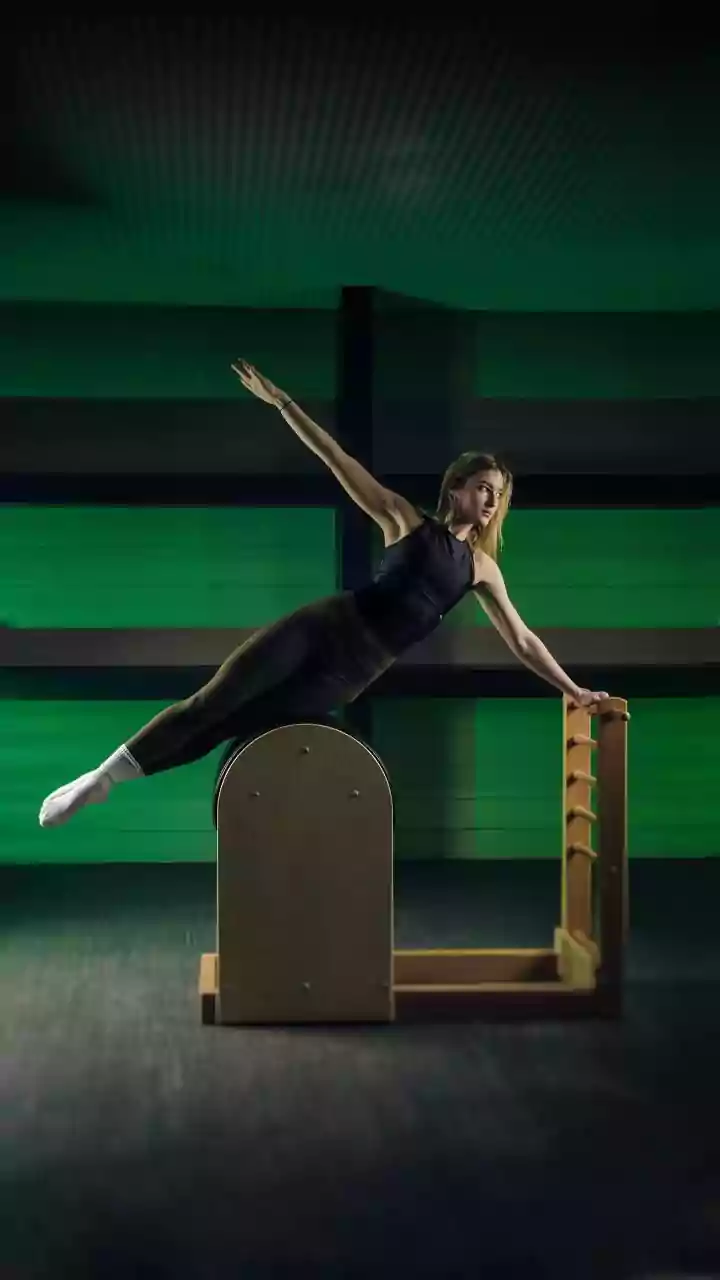
In the bustling metropolises of Mumbai, Delhi, and Bengaluru, a quiet revolution is taking place on reformers and mats. Pilates, once a niche fitness routine for the ultra-wealthy, is rapidly becoming the workout of choice for India's urban youth. This
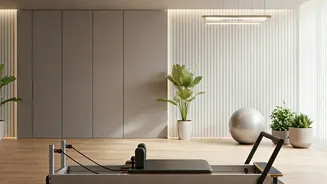
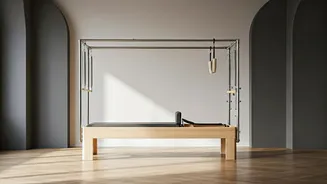
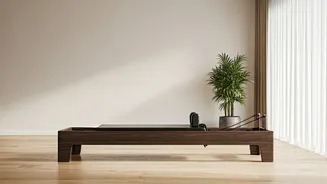
isn't your mother's suburban Pilates class. The studios are chic, the clientele is young, and the vibe is less about gentle stretching and more about achieving a specific, globally recognized aesthetic of strength and tone. For a generation raised on social media, the visual appeal of Pilates—the sleek machines, the precise movements, the lean physiques—translates perfectly to Instagram and TikTok, making it an aspirational and shareable activity.
The Bollywood Effect
You can't discuss a trend in India without talking about Bollywood. The nation’s film industry wields an influence on par with Hollywood, sports, and politics combined. When top stars like Deepika Padukone, Alia Bhatt, and Janhvi Kapoor are regularly photographed by paparazzi leaving their Pilates sessions, it creates an immediate and powerful ripple effect. Their dedication to the practice has reframed Pilates from a simple workout into a key component of a glamorous, successful lifestyle. For young Indians, emulating their favorite stars isn't just about fashion; it's about adopting their habits. The celebrity endorsement, whether explicit or implied, has given Pilates an undeniable stamp of approval and desirability that no marketing campaign could buy.
A Modern Alternative to Yoga
It might seem counterintuitive in the birthplace of yoga, but for some members of Indian Gen Z, Pilates offers a distinctly modern appeal. While yoga is a revered and deeply embedded part of India's cultural heritage, its very ubiquity can make it feel traditional or even prescribed. Pilates, on the other hand, feels fresh, secular, and globally connected. It’s seen as a science-based fitness system focused on anatomy and core strength, free from the spiritual and historical weight that yoga can carry. It offers a different path to wellness—one that feels more aligned with a fast-paced, contemporary urban life, focusing on physical results and biomechanics rather than meditation and ancient philosophy. It's not a rejection of yoga, but a diversification of personal wellness.
The Studio as a 'Third Place'
Beyond the physical benefits, boutique Pilates studios are emerging as crucial social hubs. In dense, crowded cities, these aesthetically pleasing spaces function as a 'third place'—a sanctuary that is neither home nor work. They offer a sense of community and belonging, particularly for a generation that increasingly seeks out curated, in-person experiences. Unlike large, anonymous gyms, the small class sizes foster connection between members and instructors. Attending a Pilates class becomes a social ritual, a place to see and be seen, and to connect with like-minded peers who share similar values around health, wellness, and lifestyle. This community aspect is a powerful draw in a post-pandemic world where genuine connection is highly prized.
An Aspirational Investment
Let's be clear: Pilates is not cheap. In India, a single class at a top studio can be a significant expense, making it an exclusive and aspirational activity. This price tag is part of its allure. For a generation navigating a competitive social and economic landscape, investing in a high-end Pilates membership is a status symbol. It signals access, affluence, and an alignment with global luxury trends. It’s a personal investment in one’s physical and social capital. By participating in the Pilates boom, young Indians are not just building core strength; they are crafting a personal brand that is modern, health-conscious, and globally fluent.