




The Real Problem of ‘Gymtimidation’
For years, the fitness industry sold one version of success: a high-intensity, high-pressure environment where pushing your limits was the only goal. This created a culture that, for many, felt more intimidating than inspiring. 'Gymtimidation' isn't just
a cute buzzword; it's a genuine social anxiety that keeps people from exercising. Surveys consistently show that more than half of Americans have felt anxious about working out in front of others. The fear stems from a few common sources: feeling like you don’t know how to use the complex equipment, worrying about being judged for your body or fitness level, and the overwhelming sense of comparison to others who seem to know exactly what they’re doing. This environment can turn a healthy activity into a stressful performance, where the main goal becomes avoiding embarrassment rather than improving your well-being.
Enter the Low-Drama Workout
The low-drama workout is the direct answer to this problem. It’s not about finding an 'easier' exercise; it’s about changing the entire emotional landscape of fitness. At its core, a low-drama workout is any form of movement that prioritizes psychological comfort and personal enjoyment over performance metrics and public spectacle. The 'drama' being removed is the social pressure, the competition, the complicated choreography, and the need to look a certain way while you do it. These workouts often happen in private spaces, like your living room, or in non-traditional settings, like a quiet park. They focus on simplicity, consistency, and how the movement makes you feel, not how many calories you burn or how much weight you lift. It’s a fundamental shift from fitness as a public display to movement as a private act of self-care.
Finding Your Low-Drama Groove
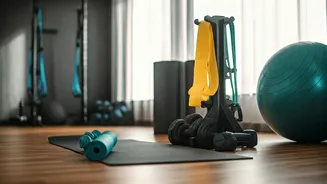
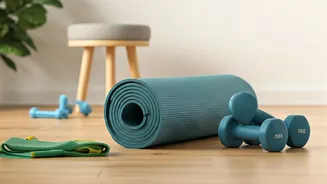
The beauty of this trend is its flexibility. A low-drama workout can be whatever you want it to be. For some, it’s the rise of 'cozy cardio,' a TikTok trend that involves using a simple walking pad or under-desk treadmill while watching a movie, answering emails, or chatting with a friend. There’s no pressure to sprint; the goal is just to move. For others, it’s following a free yoga or Pilates class on YouTube, where the instructor feels more like a friendly guide than a drill sergeant. You can pause, rewind, and modify without an audience. Other examples include solo walks or hikes with a favorite podcast, dancing in your kitchen, gentle stretching before bed, or using a simple set of resistance bands at home. The key ingredient is the absence of an audience and the freedom to move in a way that feels good to you, on your own terms.
From Performance to Personal Peace
This movement represents a larger cultural correction. After decades of 'no pain, no gain' and fitness trends that demanded aesthetic perfection, people are exhausted. The low-drama approach reframes the entire purpose of exercise. It’s not about achieving a beach body or hitting a new personal record every single time. Instead, it’s about stress relief, mental clarity, and sustainable health. By removing the external pressures, you can finally tune into what your body actually needs. This fosters a healthier, more consistent relationship with exercise because it’s rooted in internal motivation and joy, not external validation or shame. It's a return to the simple, powerful idea that movement should serve you, not the other way around.