


1. Safety Is Non-Negotiable
Before you add a single plant or pillow, your number one priority is securing the space. For cats and small dogs, the risk of a fall is real and devastating. The most effective solution is installing protective netting. Modern pet netting is durable,
UV-resistant, and often transparent enough to be barely visible, preserving your view while creating a fully enclosed 'catio' (cat patio). Check local building codes and HOA rules first. For larger dogs, ensure railings are high enough to prevent jumping and that there are no gaps they could squeeze through. Inspect the entire perimeter for weak spots and secure them completely before allowing your pet unsupervised access.
2. Choose a Pet-Friendly Foundation
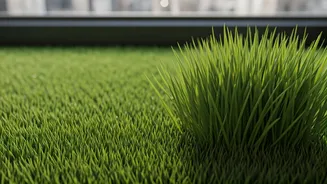
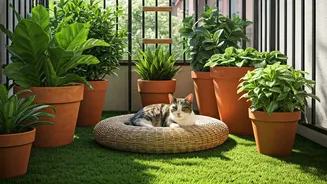
The floor of your terrace sets the stage for comfort and cleanliness. Concrete can be harsh on paws and gets extremely hot in the summer sun. Consider interlocking deck tiles made from wood or composite material, which are comfortable and allow for drainage. High-quality artificial turf is another excellent option, providing a soft, grass-like sensation that many pets love. It’s easy to clean with a hose and pet-safe enzymatic cleaner. If you prefer a simpler solution, a durable outdoor rug can define a comfortable lounging zone. Just be sure it’s made from a material that won't fray or unravel if your pet decides to scratch it.
3. Go Green with Pet-Safe Plants
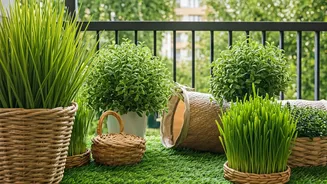
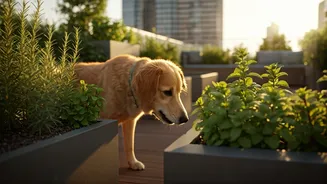
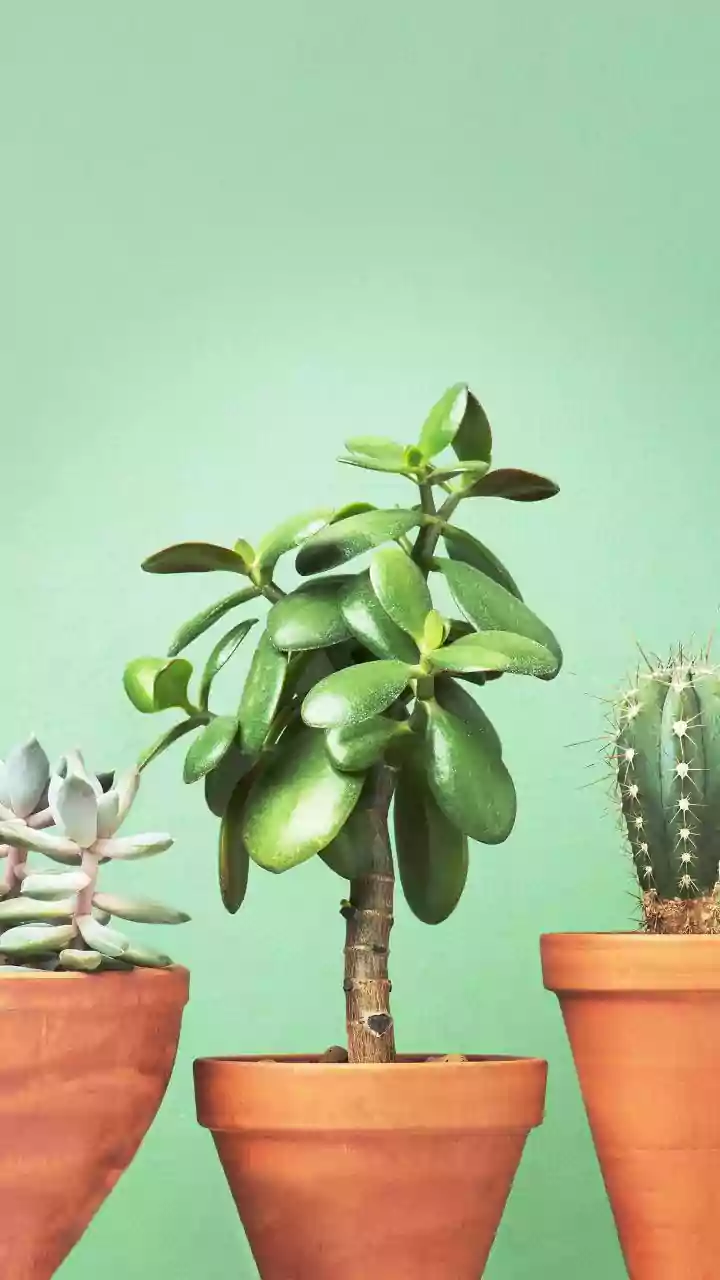
Plants are key to creating a 'natural haven,' but many common decorative plants are toxic to cats and dogs. The ASPCA maintains an extensive list of poisonous and non-poisonous plants. For a lush, safe garden, opt for pet-friendly choices like catnip, cat grass (wheat or oat grass), spider plants, Boston ferns, and certain succulents like haworthia. Not only do they add beauty and a touch of the wild, but they also provide new scents and textures for your pet to explore. Arrange them in heavy, stable pots that won’t easily be knocked over by a curious nose or a swishing tail.
4. Design for Stimulation and Enrichment
A great pet terrace isn’t just safe—it’s interesting. Think beyond a simple patch of turf. Create zones for different activities. Designate a sunny spot with a comfortable, weather-proof bed for sunbathing. Install a sturdy, outdoor-rated scratching post or board to encourage healthy scratching behavior away from your indoor furniture. A small, circulating water fountain can provide both a fresh drinking source and a mesmerizing sensory experience. Even hanging a bird feeder a safe distance away can provide hours of 'cat TV' entertainment.
5. Embrace Vertical Space
Cats, in particular, are climbers who feel secure when they can survey their territory from a high vantage point. Your terrace is a perfect place to satisfy this natural instinct. Install sturdy, weather-proof shelves at different heights to create a climbing wall. A multi-level cat tree designed for outdoor use can become the centerpiece of the space. Ensure all vertical structures are securely fastened and can easily support your pet’s weight. For dogs, a low ramp or platform can offer a similar sense of elevation and a new perspective on the world below.
6. Prioritize Comfort and Shade
Just as a terrace can get too hot for our bare feet, it can be dangerous for pets on a sunny day. Adequate shade is crucial. A retractable awning, a large cantilever umbrella, or even a simple shade sail can create a cool retreat. Provide at least one comfortable, shaded resting spot, like a covered pet bed or a raised cot that allows for air circulation underneath. And, of course, always ensure a large, heavy bowl of fresh, clean water is available, checking and refilling it throughout the day, especially in warmer weather.