






The Financial Reality Check
Let's get the obvious out of the way: economic pressure is a huge driver. Gen Z, a cohort that entered adulthood amid pandemic uncertainty, soaring inflation, and historic student debt levels, is understandably budget-conscious. But to write off their
travel habits as simply being “cheap” is to miss the point. They aren’t just cutting costs; they’re optimizing for value. This generation has weaponized digital tools to become master deal-hunters, using apps like Hopper and Google Flights to track fares and relying on TikTok trends to uncover affordable destinations. They’re more likely to choose a domestic road trip over an international flight, a rental with a kitchen over a hotel with a minibar, and a shoulder season visit over a peak summer crush. This isn't about deprivation; it's about financial pragmatism, ensuring that travel enhances their life without mortgaging their future.
Redefining the 'Aspirational' Trip
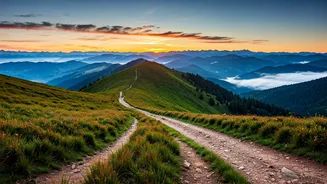
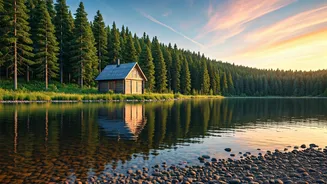
The second, and perhaps more telling, piece of the puzzle is the shift in what Gen Z considers an “aspirational” vacation. The Millennial-era Instagram feed, filled with perfectly staged photos in front of overcrowded landmarks, is losing its luster. For many Gen Z-ers, the new status symbol isn’t proving you were *there* (at the Eiffel Tower, at Times Square), but the unique, personal experience you had. This has fueled the “quiet travel” trend. It’s a move away from sensory overload and toward mental wellness and genuine connection. Instead of Las Vegas, think Zion National Park. Instead of Cancun’s spring break chaos, consider a quiet cabin in the Catskills or a tranquil beach in a lesser-known corner of the Great Lakes. This is travel as a form of self-care, a deliberate antidote to their hyper-online, high-stress daily lives.
The Rise of Slow and Local
“Quieter” travel also translates to a slower pace. The whirlwind tour of “if it’s Tuesday, this must be Belgium” holds little appeal. Gen Z is embracing the concept of “slow travel,” which involves staying in one place for longer, immersing oneself in the local culture, and ditching the frantic checklist of sights. This approach has a dual benefit: it’s often cheaper (fewer transportation costs, more opportunities for self-catering) and feels more authentic. They’d rather spend a week exploring one neighborhood in a city, getting to know the local coffee shop and farmer’s market, than a frantic 72 hours seeing five European capitals. This desire for authenticity also drives them to seek out experiences that are unique and less commercialized, from farm stays to work-exchange programs, further distancing them from the traditional tourist trail.
Digital Natives, Analog Desires
There's a fascinating paradox at the heart of this trend. Gen Z may be the most digitally native generation in history, but they use their online fluency to facilitate offline, analog experiences. Social media, particularly TikTok, isn't just for showcasing the trip; it’s a primary research tool for finding these quieter, cheaper spots. A viral video about a hidden waterfall in North Carolina or an affordable food market in Queens can put a destination on the map for thousands of young travelers. They are crowdsourcing authenticity. The ultimate goal, however, is often to disconnect. The trip itself is the prize, not just the content it generates. They're seeking genuine moments of peace, adventure, and connection—things that can’t be fully captured in a 15-second video, even if that’s how they found the place to begin with.