






More Than Just Juice
So, what exactly are these drinks? Forget the sugar-laden sports drinks of the '90s or the chalky meal replacements of diet crazes past. Today’s nutrient beverages fall under the umbrella of “functional foods”—products designed to offer health benefits
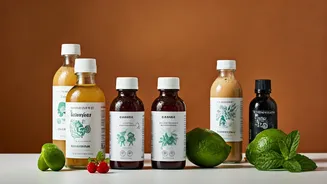
beyond basic nutrition. They promise everything from enhanced hydration and improved gut health to sharper focus and a stronger immune system. Think of them as liquid supplements, delivering a concentrated dose of wellness in a convenient, often tasty, package. Brands are infusing water, teas, and even sodas with ingredients like probiotics for your gut, adaptogens like ashwagandha to manage stress, nootropics for brain function, and a full spectrum of vitamins and minerals. It’s the evolution of the daily multivitamin, transformed from a pill you have to swallow into a beverage you actually want to drink.
The Rise of Liquid Wellness
Why is this happening now? The trend is a perfect storm of several cultural currents. First, there's the post-pandemic surge in health consciousness. Americans are more proactive about their well-being than ever, seeking ways to boost their immunity and resilience. Second, our demand for convenience is insatiable. For busy professionals and parents, the idea of getting a day’s worth of greens or probiotics from a single bottle is a powerful shortcut—a form of “nutritional insurance.” And finally, there's the undeniable power of social media. TikTok and Instagram have turned these drinks into status symbols. Influencers showcase their meticulously prepared Athletic Greens (AG1) or crack open a can of Poppi, making them look less like a health chore and more like an aspirational lifestyle choice. The aesthetics matter; the colorful packaging and photogenic nature of these drinks make them perfect for a wellness-obsessed digital world.
Meet the New Power Players
The market isn’t monolithic; different players are targeting different needs. At the high end, you have the all-in-one powders like AG1, a subscription-based product that packs 75 vitamins, minerals, and whole-food sourced nutrients into a single daily scoop. It’s positioned as the ultimate health hack for high-achievers. Then there are the gut-friendly sodas like Olipop and Poppi. These brands have brilliantly tapped into the growing fascination with gut health by offering low-sugar, high-fiber sodas that contain prebiotics to feed healthy gut bacteria. They’re the permissible indulgence, a way to enjoy a bubbly drink without the guilt of traditional soda. Finally, you have the hydration multipliers. Brands like Liquid I.V. and Hydrant have upgraded the concept of an electrolyte drink, using specific sodium-glucose ratios to promise faster, more efficient hydration than water alone. They’ve become a staple for athletes, frequent flyers, and anyone looking to fight off daily fatigue.
A Dose of Healthy Skepticism
Before you replace your entire pantry with liquid nutrients, it’s worth asking: are they worth it? The answer is nuanced. Many of the ingredients used, like probiotics and certain vitamins, are backed by science. For those with specific dietary gaps or hydration needs, these products can be genuinely helpful. However, nutrition experts are quick to point out that no beverage can replace the benefits of a balanced diet rich in whole foods. Fruits, vegetables, and lean proteins provide fiber, phytonutrients, and a complex synergy that a powder can't fully replicate. Furthermore, the cost can be significant. A month’s supply of a premium greens powder can run close to $100. The consensus among dietitians is to view these beverages as what they are: supplements. They can augment a healthy lifestyle, but they can't create one from scratch. The foundation of good health is, and always will be, what’s on your plate.