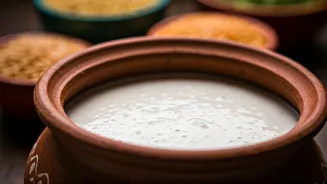


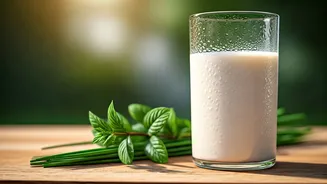
Wait, What Even Is Buttermilk?
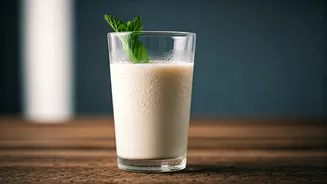
Before you picture chugging the liquid left over from making butter (the original definition), let's clarify what we're talking about today. The buttermilk you see in most American supermarkets is 'cultured buttermilk.' It’s made by adding beneficial
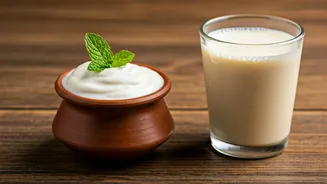
lactic acid bacteria—live cultures—to low-fat milk, which ferments and thickens it, creating that signature tangy flavor. This process is similar to how yogurt and kefir are made. This is important, because not all buttermilk is created equal. Some cheaper versions are simply 'acidified,' using vinegar or another acid to curdle the milk and mimic the taste without providing the live probiotic cultures. For the gut-health benefits, you want to check the label for 'cultured buttermilk' and ideally, a list of the specific live and active cultures it contains.
The Probiotic Power-Up
The phrase 'gut hack' gets thrown around a lot, but buttermilk’s claim is rooted in simple science. The live cultures in fermented buttermilk are probiotics, the 'good' bacteria that help maintain a healthy balance in your gut microbiome. A balanced microbiome is linked to better digestion, improved nutrient absorption, and a well-functioning immune system. Unlike many supplements that can be expensive and offer questionable efficacy, buttermilk delivers these probiotics in a whole-food form. The fermentation process also makes it easier to digest than regular milk for some people, particularly those with mild lactose sensitivity, as the bacteria help break down the lactose (milk sugar). It’s a gentle, food-based approach to supporting the trillions of microbes working inside you.
Why It’s the 'No-Drama' Choice
Here’s where buttermilk truly shines. In a wellness world full of drama—brewing kombucha that might explode, sourcing expensive kefir grains, or choking down grassy-tasting supplements—buttermilk is refreshingly simple. It requires no special equipment, no multi-step preparation, and no acquired taste for super-funky flavors. It's readily available in nearly every grocery store and is typically one of the most affordable dairy options on the shelf. Its versatility is another major part of its no-drama appeal. You don't have to force yourself to drink a glass straight if that's not your style. It seamlessly blends into foods you already eat, making it an effortless addition to your routine rather than another chore on your wellness to-do list.
Easy Ways to Get It In Your Diet
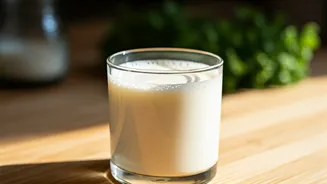
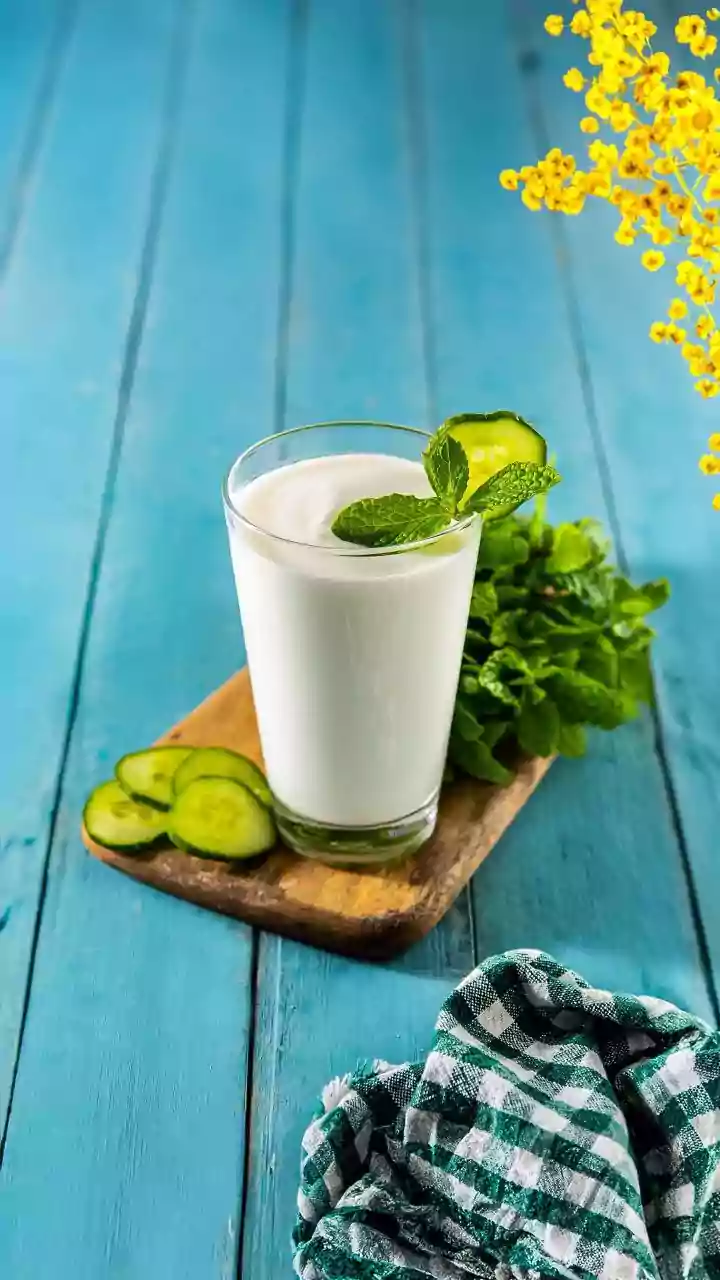
Ready to give it a try? The easiest way is to use it as a 1-to-1 substitute in recipes that call for milk or yogurt. Its slight acidity makes it a fantastic secret weapon in the kitchen, producing incredibly tender baked goods like pancakes, biscuits, and muffins. Beyond baking, think of it as a base for other foods. Blend it with fruit, a little honey, and some spinach for a probiotic-packed smoothie that rivals those made with pricier Greek yogurt. Use it to create creamy, tangy salad dressings that are far healthier than their store-bought counterparts. It’s also a classic marinade for chicken or pork, as its acidity helps to tenderize the meat. And for the purists? A small glass of cold, tangy buttermilk can be a surprisingly refreshing and satisfying drink on its own.