




From ‘No Pain, No Gain’ to ‘Just Move’
First, let’s define what we’re talking about. ‘Low-pressure fitness’ isn’t a single type of workout, but an overarching philosophy. It’s the intentional rejection of the high-intensity, metric-obsessed, aesthetically-driven exercise culture that has dominated
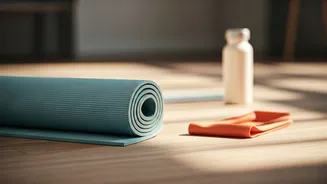
for the better part of a decade. Instead of punishing HIIT classes, marathon training, and meticulous calorie tracking, this approach champions movement for its own sake. Think ‘cozy cardio’ on a treadmill while watching a favorite show, ‘soft hiking’ on a familiar trail without worrying about your pace, gentle yoga, or simply a long walk with a friend. The goal isn't to crush a personal best or ‘earn’ a meal; it's to feel good, reduce stress, and connect with your body in a positive way. It decouples movement from the relentless pursuit of optimization and reframes it as a form of self-care, not self-discipline.
The Post-Pandemic Burnout Backlash
This trend didn’t emerge in a vacuum. It’s a direct response to a period of intense collective stress and a broader cultural reckoning with ‘hustle culture.’ The pandemic forced millions to re-evaluate their priorities, and for many, the always-on, productivity-at-all-costs mindset no longer held its appeal. This sentiment has bled into our wellness routines. The same person quitting their toxic job to avoid burnout is now questioning why their workout should feel like a second shift. The aggressive, militaristic language of fitness—‘crush it,’ ‘smash your goals,’ ‘destroy your workout’—feels increasingly out of step with a desire for more peace and less pressure. Social media platforms like TikTok are filled with creators celebrating slower, more mindful forms of exercise, signaling a powerful counter-narrative to the glossy, high-performance influencer content that once reigned supreme.
Movement for Your Mind
Perhaps the most significant benefit of low-pressure fitness is its positive impact on mental health. For many, the gym is a place fraught with anxiety, comparison, and negative self-talk. The pressure to perform, look a certain way, and keep up with others can make exercise feel like a dreaded chore. This often leads to a cycle of avoidance and guilt. By lowering the stakes, movement can become a powerful tool for stress relief rather than a source of it. When you’re not worried about your heart rate, split times, or how many reps you’ve completed, you can focus on how the movement actually feels. This mindfulness can help regulate the nervous system, improve mood, and build a more compassionate relationship with your body. It shifts the internal monologue from ‘Am I doing this right?’ to ‘How does this feel?’—a subtle but profound change.
The Power of Consistency Over Intensity
Critics might dismiss this trend as an excuse to be lazy, but that misses the point entirely. The most effective fitness plan is the one you can stick with. High-intensity routines can be highly effective, but they also have a high rate of burnout and injury, causing many people to fall off the wagon completely. A 30-minute walk every day is infinitely more beneficial than a brutal, one-hour workout done once every two weeks. Low-pressure fitness builds a foundation of consistency. By making movement enjoyable and accessible, it removes the psychological barriers that prevent so many from starting or staying active. This sustainable approach fosters a lifelong habit of movement, which is the true key to long-term physical and mental well-being. It’s not about giving up on your health; it's about finding a more durable and joyful way to invest in it.