




The Worry-Free Choice for Pet Owners
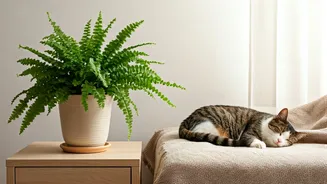
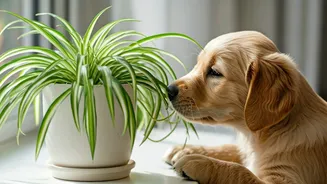
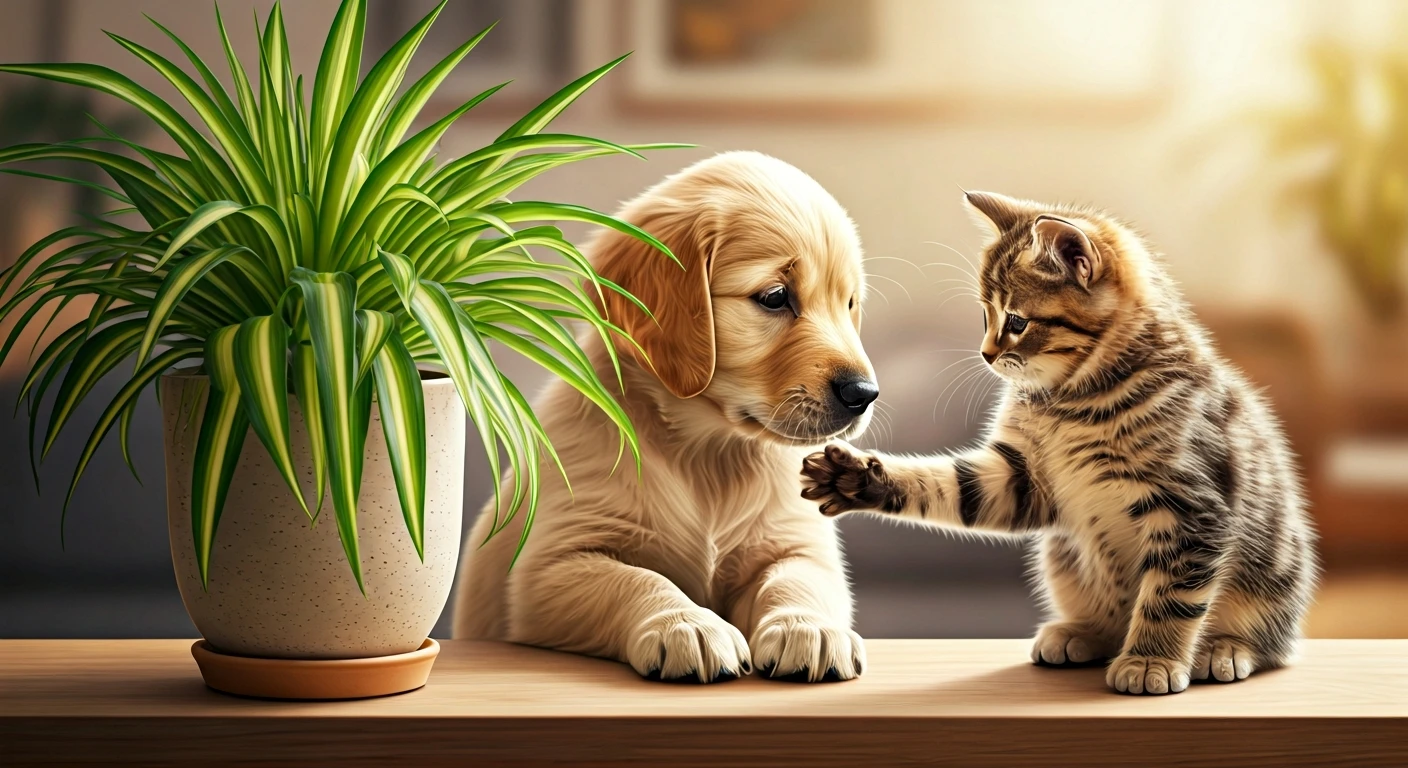
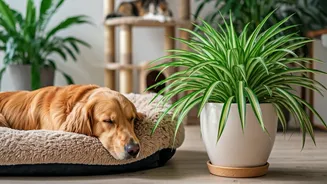
For many Americans, a key barrier to becoming a plant parent is the fear of harming a furry one. Many common houseplants—like lilies, philodendrons, and pothos—are toxic to cats and dogs if ingested. This is where the spider plant (Chlorophytum comosum)
truly shines. According to the American Society for the Prevention of Cruelty to Animals (ASPCA), spider plants are non-toxic to both dogs and cats. While you shouldn't encourage your pets to make a meal of them (as any plant matter can cause mild stomach upset), you can rest easy knowing that a curious nibble won't result in a frantic, late-night trip to the emergency vet. This peace of mind makes it the default choice for households where pets and plants coexist, instantly elevating it above more high-risk greenery.
Forgiving of Almost Any Mistake
Let’s be honest: not everyone is born with a green thumb. If you’ve ever felt personally victimized by a finicky fiddle-leaf fig, the spider plant is your redemption. These plants are legendarily tough and famously forgiving, making them the perfect starter plant for beginners or a low-stress addition for busy people. Forget to water it for a week? It will likely survive, thanks to the thick, fleshy roots that store water. Give it too little light? It might not grow as fast, but it won’t immediately give up on life. Spider plants are adaptable and resilient, capable of thriving in a wide range of indoor conditions. They prefer bright, indirect light but can tolerate lower-light corners of your home. Their resilience removes the pressure and anxiety often associated with plant care, turning it from a chore into a simple pleasure.
The Gift That Keeps on Giving
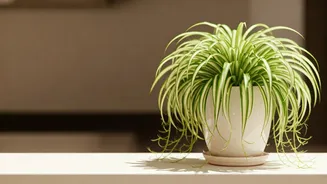
One of the most charming features of a happy spider plant is its unique method of reproduction. As it matures, it sends out long stems, or “runners,” which then grow tiny new plants at their ends. These “spiderettes” or “pups” look like miniature versions of the parent plant, dangling from the main body like spiders on a web—hence the name. This isn't just a visual delight; it’s an incredible value. Propagating a spider plant is as simple as snipping off a pup that has started to form small roots and placing it in a glass of water or directly into a small pot of soil. In a few weeks, you’ll have a brand-new, independent plant. This makes the spider plant an endlessly renewable source of greenery for your own home or for sharing with friends, family, and coworkers. It’s the original “plant subscription box,” powered by nature.
A Natural (If Modest) Air Filter
You may have heard about a famous 1989 NASA study that listed spider plants as excellent air purifiers. It’s true: the study found they could remove common indoor air pollutants like formaldehyde and xylene from a sealed environment. This finding cemented the spider plant’s reputation as a tiny, green workhorse for home health. However, it's important to have realistic expectations. The NASA experiments were conducted in small, airtight chambers—a far cry from a typical drafty home with open windows and doors. While your single spider plant is certainly contributing to a healthier environment, you would need a dense indoor jungle to replicate the study’s dramatic results. Think of the air-purifying quality as a small, pleasant bonus to its primary benefits of being beautiful, resilient, and safe for everyone in your home.
Simple Care for a Stunning Look
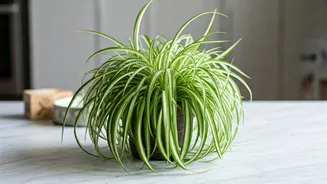
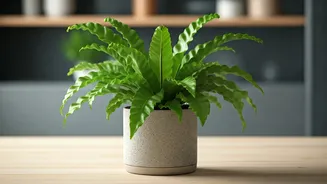
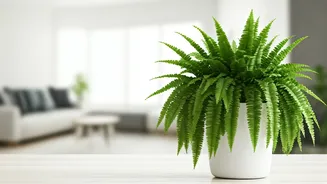
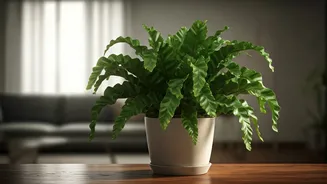
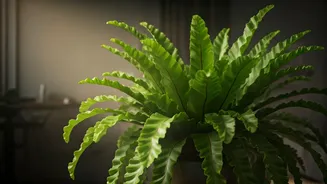
Beyond its safety and resilience, the spider plant is simply a beautiful object. Its arching leaves, often variegated with stripes of white or cream, create a graceful, fountain-like shape that works with any decor style, from modern minimalist to cozy bohemian. To keep it looking its best, follow these simple rules. Water thoroughly when the top inch or two of soil feels dry, but don’t let it sit in a saucer of water, which can lead to root rot. They are happiest in bright, indirect sunlight, so a spot near an east-facing window is ideal, but they'll manage in lower light. If the tips of the leaves turn brown, it’s often due to fluoride in tap water; switching to filtered or distilled water can help. With just this minimal effort, you get a lush, dynamic plant that adds life and texture to any room.