




From Private Fortresses to Open Sanctuaries
For generations, urban Indian homes were designed with different priorities. In a climate known for its intense heat and monsoon rains, smaller windows, covered balconies (verandahs), and thick walls were practical solutions. They kept the interiors cool
and provided security and privacy in tightly packed neighborhoods. Architecture often prioritized defense against the elements and the public gaze. The home was a private fortress, a retreat from the chaos of the city. But as India’s economy and middle class have boomed, so too has a new set of aspirations, fundamentally reshaping the definition of a desirable home. The focus is shifting from a purely functional shelter to a holistic space for well-being.
Daylight as a Luxury Amenity
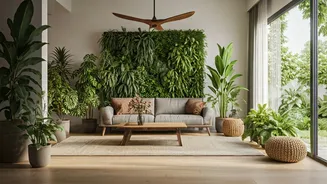
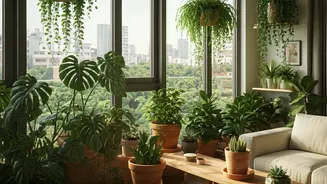
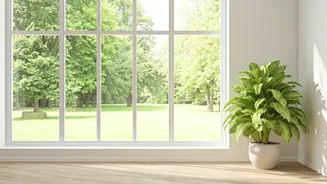
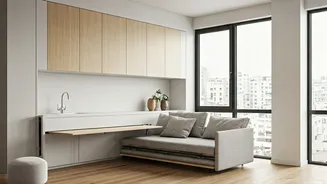
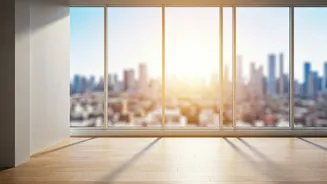
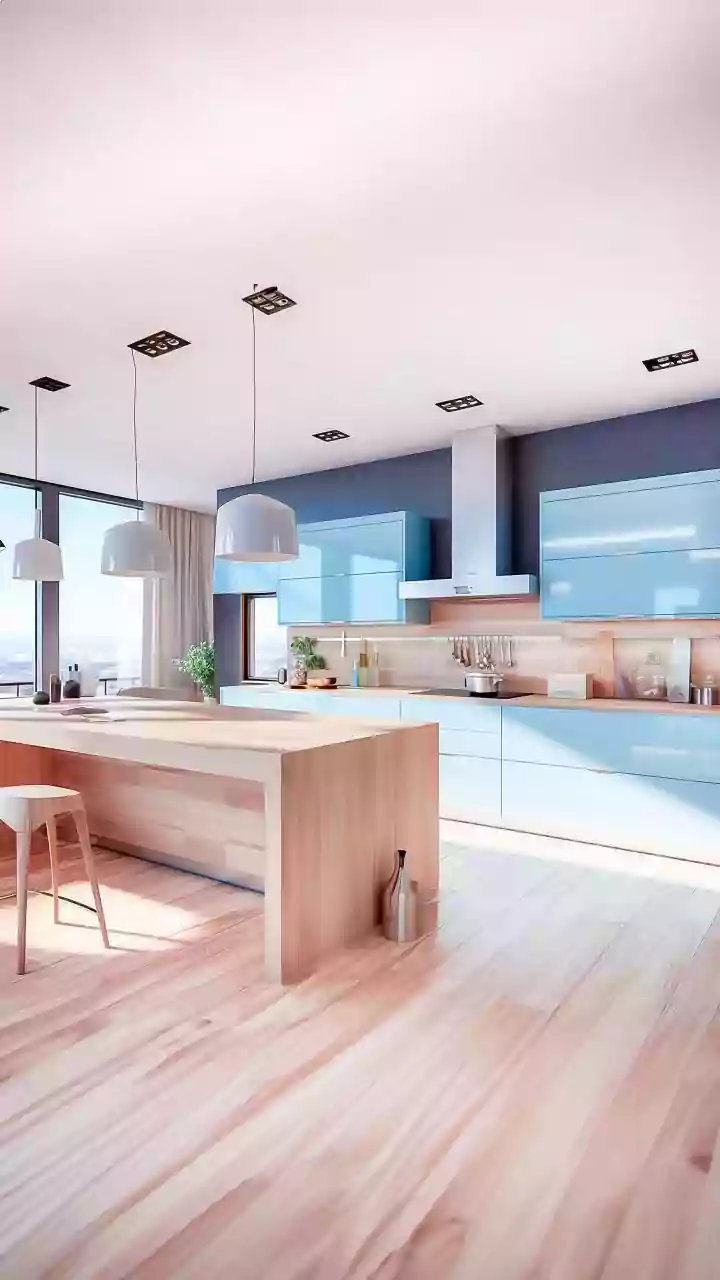
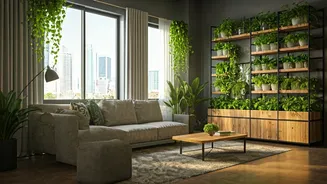
Today, leading developers in cities like Mumbai, Bengaluru, and Delhi NCR are no longer just selling square footage; they are selling a lifestyle centered on wellness. And the most visible symbol of this shift is the floor-to-ceiling window. These expansive panes of glass are more than just an aesthetic choice borrowed from Western design magazines. They are a deliberate embrace of biophilic design—the idea that humans have an innate need to connect with nature. By flooding living spaces with natural light, these windows help regulate circadian rhythms, boost mood, and create a sense of spaciousness that is a precious commodity in urban environments. A view of the sky, a distant patch of green, or even just the changing light of day becomes a dynamic part of the home's interior, a constant, quiet connection to the world outside.
The Post-Pandemic Accelerator
While the trend was emerging pre-2020, the global pandemic acted as a powerful accelerant. Confined to their homes for extended periods, millions of Indians were forced to confront the limitations of their living spaces. Dimly lit rooms and a feeling of being boxed in took a mental toll. The home was suddenly no longer just a place to sleep; it was an office, a school, a gym, and a sanctuary. This experience created a massive surge in demand for homes that felt open, airy, and connected to the outdoors. Real estate listings began highlighting “ample natural light” and “unobstructed views” as key selling points, on par with location or square footage. For a new generation of homebuyers, the psychological benefits of a sun-drenched living room became non-negotiable.
Engineering for Sun and Privacy
Incorporating massive windows into the Indian context isn’t without its challenges. Architects can’t simply copy and paste a design from a cooler, less-populated region. The primary concerns are heat gain and privacy. To combat the blistering heat of the Indian summer, developers are using sophisticated solutions like double-glazed units, low-emissivity (low-E) coatings that reflect infrared light, and recessed balconies that shade the glass. The orientation of the building itself becomes crucial, carefully planned to maximize light without bearing the brunt of the harsh afternoon sun. Privacy is managed through smart layouts and, in high-end projects, specialized glass. It’s a delicate balancing act: inviting the outside in, while keeping its harsher elements—and the gaze of neighbors—at a comfortable distance.