
The Era of Imported Ideals
Not long ago, the path to healthy eating in India's major cities seemed to be paved with expensive, imported goods. The message, often delivered through social media influencers and high-end cafes, was clear: traditional Indian food was out, and a Westernized
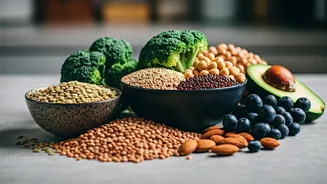
vision of “clean eating” was in. This approach implicitly framed beloved staples—like carb-rich rice, ghee-laden lentils, and fried samosas—as nutritional villains. The solution? Imported superfoods like kale, quinoa, and chia seeds, sold at a premium. This created a wellness culture that felt both preachy and exclusionary. It suggested that health was a luxury good you had to buy, rather than a lifestyle you could live. For millions, this gospel of green juices and gluten-free bread felt alienating, a critique of a food culture built over millennia.
A Backlash of Flavor and Pride
The problem with this preachy model wasn't just its price tag; it was its profound lack of cultural context. India is not a monolith. Its cuisine is a dizzying tapestry of regional specialties, each with its own logic, history, and nutritional wisdom. To suggest that a bowl of Peruvian quinoa was inherently healthier than a balanced South Indian meal of sambar, rice, and vegetables struck many as absurd. A quiet rebellion began to brew, not in outright rejection of health, but in a re-examination of what “healthy” really means. Chefs, nutritionists, and home cooks started asking a simple question: Why are we chasing foreign fads when our own backyards and grandmother’s pantries are filled with nutritional powerhouses?
The Great Millet Revival
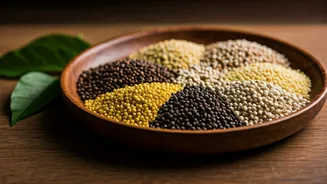
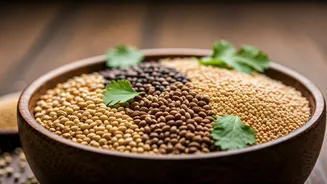
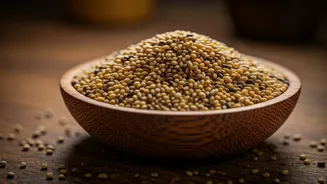
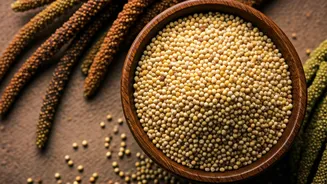
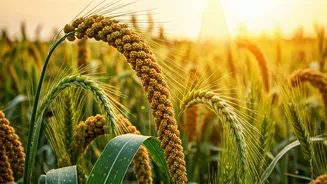
This movement found its champion in a humble category of grains: millets. Once dismissed as “poor man’s food,” indigenous grains like ragi (finger millet), jowar (sorghum), and bajra (pearl millet) are now at the center of a national culinary renaissance. Naturally gluten-free, high in protein and fiber, and incredibly drought-resistant, these ancient grains are being hailed as India's own superfoods. The Indian government even spearheaded a campaign at the United Nations to declare 2023 the “International Year of Millets.” Today, you’ll find millets everywhere. Hip cafes in Mumbai serve ragi pancakes instead of whole-wheat ones. Startups are creating millet-based pastas, crackers, and breakfast cereals. This isn't about dutifully eating something bland because it’s good for you; it's about chefs and food companies making these heritage ingredients delicious, convenient, and cool again.
From Restriction to Celebration
What’s emerging is a new philosophy of wellness that feels distinctly Indian: joyful, inclusive, and rooted in pleasure. The new message isn’t about what to cut out, but what to add in. It’s about moderation and balance, principles long-embedded in practices like Ayurveda. Instead of banning ghee (clarified butter), the new thinking celebrates it as a healthy fat—in reasonable amounts. Instead of shunning rice, it’s about pairing it with protein-rich lentils and fiber-filled vegetables. This approach celebrates food as a source of not just physical nourishment, but of cultural pride and communal joy. It’s a shift from the language of restriction and guilt to one of celebration and abundance. The focus is on making traditional recipes slightly lighter or more nutrient-dense, not replacing them entirely. It’s about finding health within your own heritage, not by importing someone else’s.