



The Royal Fruit of Malihabad
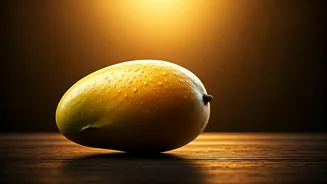
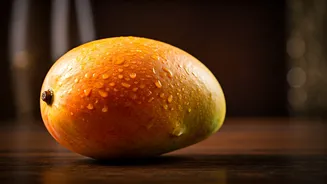
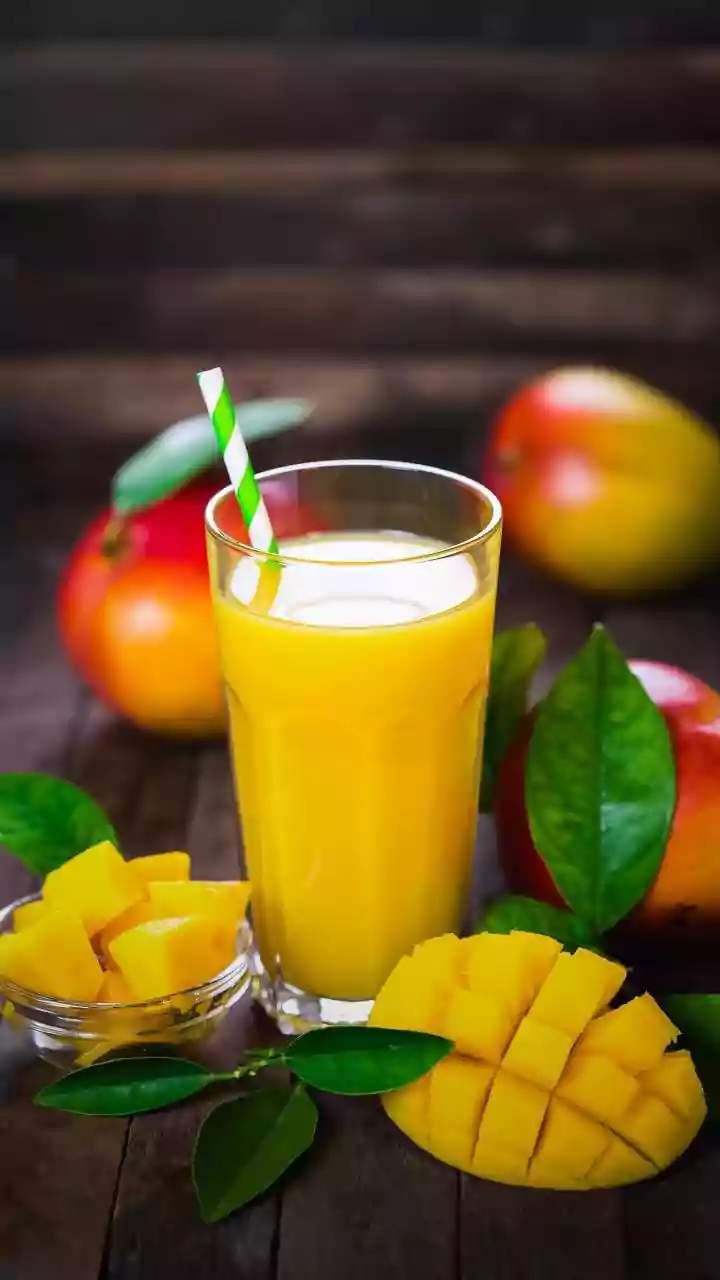
Just outside Lucknow, a city steeped in the history of poets and princes, lies a 700-year-old mango belt known as Malihabad. This is the heartland of India’s most revered mangoes, a place where the fruit is not merely grown but worshipped. The undisputed
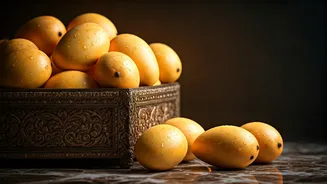
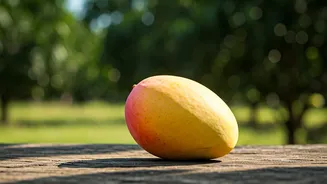
king here is the Dasheri, a mango with golden-yellow skin, fiberless flesh, and a perfume so intoxicating it’s the stuff of legend. Local lore traces the mother tree of all Dasheri mangoes to a single, 200-year-old specimen in a private orchard. But the Dasheri is not alone. Malihabad is a living library of mango varieties, with names that sound like characters from a forgotten epic: Langra, Chausa, Safeda, and hundreds of others, each with a distinct flavor profile, texture, and story. This diversity is a direct legacy of the region’s former rulers, the Nawabs of Awadh, who were passionate horticulturalists and mango connoisseurs. They sponsored competitions, cultivated new varieties, and elevated the mango from a simple food to a symbol of status, sophistication, and sublime pleasure.
More Than a Fruit, It's a Ritual
In Lucknow, “mango culture” is not an exaggeration. When the season arrives, life reorganizes itself around the fruit. Families host “mango parties” or dawaats, where guests gather not for a formal dinner but to feast exclusively on baskets of chilled mangoes, eaten by the dozen. Business deals are sweetened, friendships are deepened, and old rivalries are forgotten over a shared appreciation for a perfectly ripe Langra. This culture creates an intensely loyal and knowledgeable consumer base. People don't just buy “mangoes”; they buy from a specific farmer they’ve known for years. They can tell a naturally ripened fruit from a chemically treated one by scent alone. This deep-seated appreciation means they are willing to pay a premium for quality, creating a stable and profitable market for the farmers who forgo mass-production techniques in favor of traditional, quality-focused cultivation.
From Heritage to Economic Engine
For decades, the small farmers of Malihabad faced the same pressures as agriculturalists everywhere: competition from cheaper, mass-produced alternatives and the temptation to abandon slow-growing heritage trees for higher-yield, lower-quality crops. What saved them was the very culture that surrounded their product. The demand for authentic, high-quality Dasheri mangoes never waned. This culminated in the awarding of a Geographical Indication (GI) tag for the Malihabad Dasheri mango. Similar to the way “Champagne” can only come from a specific region of France, this tag certifies that only mangoes grown in this specific belt can be sold as Dasheri. This legal protection has been a game-changer. It prevents fraudulent labeling, guarantees authenticity for consumers, and, most importantly, secures a premium price for the farmers. It transformed their cultural heritage into a protected, high-value economic asset, allowing small farms to thrive rather than just survive.
A Model Inspiring a Global Movement
The headline’s claim of a “global” revival isn't about Lucknow farmers literally planting trees in Florida. It's about the export of a successful model. Firstly, high-value, GI-tagged mangoes are now exported in greater numbers, primarily to satisfy the cravings of the Indian diaspora in the U.S., UK, and Middle East. These exports connect small Indian farmers directly to lucrative international markets, bypassing middlemen. More profoundly, the Lucknow story has become a blueprint for agricultural communities worldwide. It demonstrates how to leverage unique local history and culture to fight the homogenizing tide of global agribusiness. Communities from the Americas to Southeast Asia are now looking to protect their own heritage products—be it a specific type of coffee bean, chili pepper, or ancient grain—by building a “culture” around them and seeking legal protections like the GI tag. In a world increasingly hungry for authenticity, Lucknow’s epic mango culture proves that the best way to save a small farm might just be to celebrate its story.