








First, A Quick Weather Report
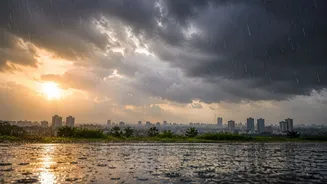
For hundreds of millions of farmers in India, the summer monsoon isn’t just weather—it's everything. This annual weather pattern, which typically lasts from June to September, delivers over 70% of the country's rainfall. It’s the lifeblood of the agricultural
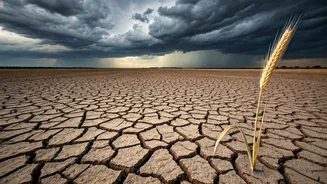
sector, directly determining the fate of staple crops like rice, sugarcane, and soybeans. A strong, timely monsoon means a bountiful harvest, stable domestic food prices, and surplus for export. A weak, erratic, or delayed monsoon, often exacerbated by climate patterns like El Niño, can spell disaster. It means lower crop yields, depleted reservoirs, and the very real threat of food shortages within one of the world's most populous nations.
From Parched Fields to Global Markets
So, why should a dry spell in Maharashtra matter in Minnesota? Because India is a food superpower. It’s the world's largest exporter of rice and, until recently, was a major global supplier of sugar. When its harvests are threatened by a poor monsoon, the Indian government’s first priority is to protect its own 1.4 billion citizens from price spikes and scarcity. The primary tool for this is restricting or banning exports. We saw this playbook run when India banned exports of non-basmati white rice to tame domestic prices. This action single-handedly removed a massive chunk of supply from the global market, causing prices to surge worldwide. A weak monsoon makes such protectionist measures more likely, not just for rice but for other key commodities like sugar, onions, and certain vegetable oils.
The Ripple Effect on U.S. Shelves
The United States isn't India’s biggest customer for most staple foods, but in a globally connected market, a major disruption anywhere is felt everywhere. When the world's largest rice exporter stops selling, the remaining suppliers (like Thailand and Vietnam) see a surge in demand, and they raise their prices accordingly. U.S. importers then have to pay more, and that cost is eventually passed on to you. You might see it directly in the international foods aisle, where the price of a bag of Basmati or Sona Masoori rice suddenly jumps. But the indirect effects are broader. Higher global prices for commodities like sugar and palm oil (a common substitute for other vegetable oils) raise the input costs for thousands of processed foods on American supermarket shelves, from cookies and cereals to frozen dinners. It becomes another source of inflationary pressure, making the Federal Reserve’s job of cooling the economy that much harder.
More Than Just Rice and Sugar
The impact doesn’t stop at bulk commodities. India is also a critical source for many of the world’s spices. A weak monsoon can diminish the harvests of everything from turmeric and cumin to black pepper and cardamom. For American food manufacturers and restaurant chains that rely on these ingredients for flavor profiles, a supply crunch means paying a premium. This can lead to either higher menu prices or a subtle, cost-saving change in recipes. Furthermore, a struggling agricultural sector in India has knock-on effects for other industries, from textiles (cotton) to manufacturing, creating ripples that can subtly influence global trade and add to the general sense of economic uncertainty that keeps inflation stubbornly high.