







1. Over-the-Counter Medications
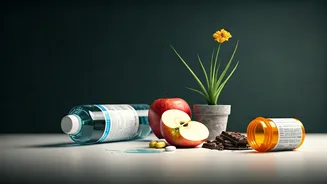
Topping the list year after year are common over-the-counter (OTC) human medications. Items like ibuprofen (Advil, Motrin), naproxen (Aleve), and acetaminophen (Tylenol) are staples in our medicine cabinets but are extremely dangerous for pets. Dogs and cats
metabolize these drugs differently than humans. Even a small dose can lead to severe stomach ulcers, kidney failure, or liver damage. The danger often comes from a well-intentioned owner trying to treat their pet's pain or from a curious pet chewing through a bottle. Always keep medications securely stored and never give your pet a human pain reliever without explicit direction from your veterinarian.
2. Human Prescription Drugs
Just as dangerous are the medications prescribed by your doctor. The ASPCA’s Animal Poison Control Center (APCC) receives thousands of calls about pets ingesting everything from antidepressants and ADHD medications to heart and blood pressure pills. Stimulant drugs can cause seizures and life-threatening elevations in heart rate and body temperature. Others can cause a dangerous drop in blood pressure. The most common exposure happens when pets gobble up dropped pills or get into weekly pill organizers. Treat your prescriptions with the same caution you would any other toxin: keep them out of reach.
3. Common Food Items
Many of the foods we enjoy are toxic to our furry companions. The sweetener xylitol (also called birch sugar), found in sugar-free gum, candy, peanut butter, and even some dental products, is a major culprit. For dogs, it can trigger a rapid, catastrophic drop in blood sugar and lead to liver failure. Other well-known food dangers include grapes and raisins, which can cause acute kidney failure in dogs. Onions, garlic, and chives can damage red blood cells. And of course, chocolate—especially dark and baker’s chocolate—contains theobromine, which is highly toxic to dogs and cats.
4. Plants and Floral Arrangements
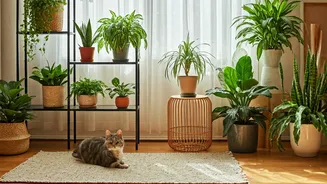
A beautiful bouquet or a new houseplant can bring a hidden danger into your home. For cat owners, all parts of the lily plant are severely toxic and can cause fatal kidney failure from a single bite of a petal or even from drinking the vase water. Other common toxic plants include tulips, daffodils (especially the bulbs), oleander, and sago palms. Before bringing a new plant home or planting in your yard, do a quick search on the ASPCA’s extensive toxic plant database to ensure it's safe for your four-legged family members.
5. Household Chemicals and Products
Our homes are filled with products that make life easier but can be harmful if ingested. Cleaning products, antifreeze, and glue are frequent sources of pet poisoning. Antifreeze containing ethylene glycol has a sweet taste that attracts animals but is incredibly lethal, causing rapid kidney failure. Many common household cleaners can cause chemical burns or gastrointestinal distress. Expanding adhesives, like Gorilla Glue, can form a large, immovable mass in a pet’s stomach that requires surgery. Always store these products in secure cabinets and clean up any spills immediately.