






Rethinking the Rainy Season
Before you write off half the year, it’s important to understand what “monsoon” or “green season” actually means in many top island destinations. It’s rarely the month-long, non-stop deluge you might imagine. More often, it translates to predictable,
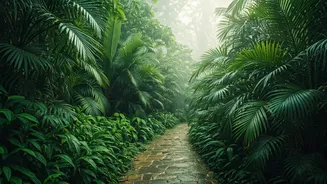
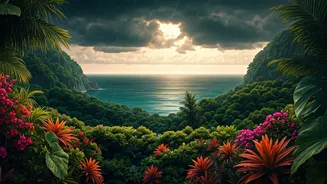
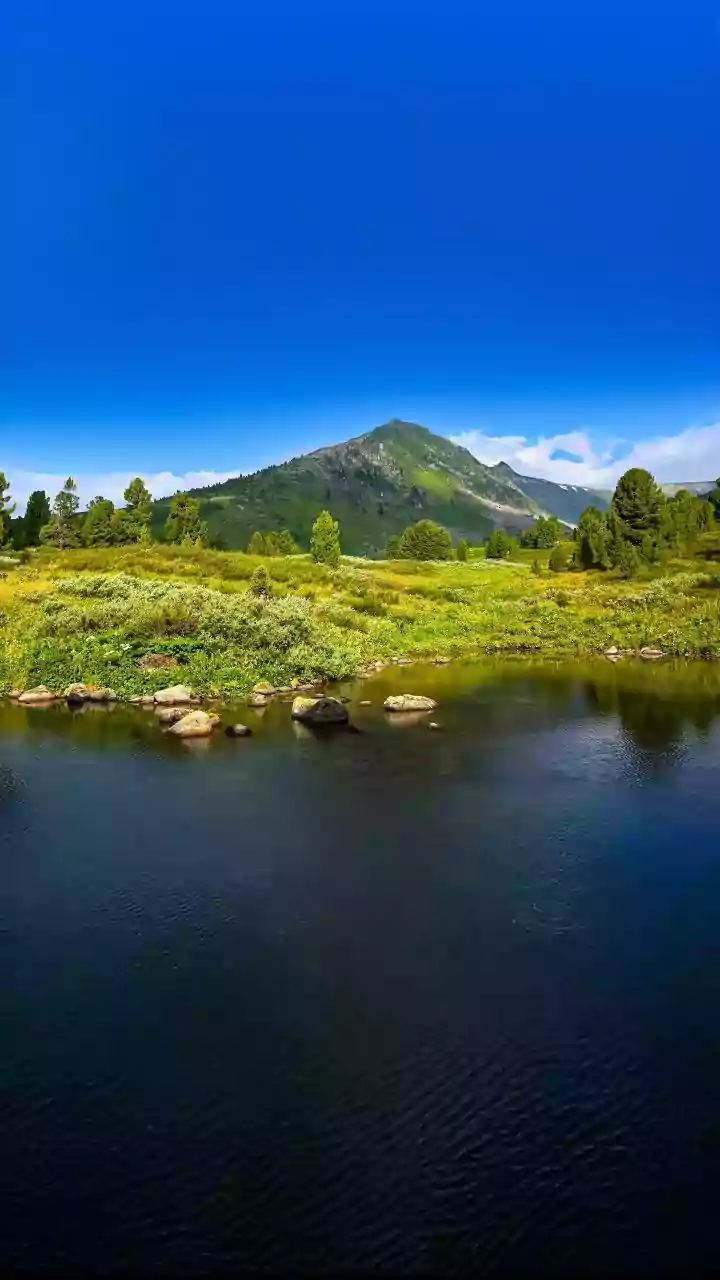
intense, but brief afternoon downpours. These showers wash the air clean, cool the temperatures, and trigger a spectacular burst of life, turning landscapes a shade of emerald you won’t see in the dry season. For the flexible traveler, this pattern is a gift. You can plan your beach time and excursions for the sunny mornings and use the rainy afternoons for a guilt-free nap, a spa treatment, or a long, leisurely lunch watching the storm roll in.
Koh Samui, Thailand: The Smart Choice
Thailand’s geography is a monsoon traveler’s best friend. While the popular Andaman coast (Phuket, Krabi) gets drenched from May to October, the Gulf coast has a different weather pattern. Koh Samui, along with its neighbors Koh Phangan and Koh Tao, experiences its heaviest rains later, from October to December. Traveling here during the North American summer means you’ll largely dodge the worst of the weather while still reaping the off-season benefits. The island’s waterfalls, like Na Muang, are at their most dramatic, the jungle interiors are intensely verdant, and you can find incredible deals on luxury villas that would be twice the price in January. You get the postcard-perfect beaches with a fraction of the crowds.
Bali, Indonesia: The Spiritual Refresh
Bali’s green season, which typically runs from November to March, is perhaps the most famous example of monsoon magic. The island takes on a deeply spiritual, tranquil quality. The iconic rice terraces around Ubud are jaw-droppingly vibrant, creating a saturated, green-on-green panorama. The rain usually arrives in the mid-afternoon, providing a perfect excuse to duck into a yoga shala, take a Balinese cooking class, or indulge in a world-class spa treatment for a fraction of the high-season cost. The crowds at temples like Tanah Lot and Uluwatu thin out, allowing for a more personal and contemplative experience. It’s a time when the island feels less like a tourist hotspot and more like the cultural sanctuary it is.
Sri Lanka’s South Coast: The Double Monsoon Advantage
Sri Lanka is a unique case, with two separate monsoon seasons that hit different sides of the island at different times. From May to September, when the “Yala” monsoon soaks the popular southwest coast, the east coast is dry and sunny. Conversely, when the “Maha” monsoon hits the east from October to January, the south and west coasts (home to Galle, Mirissa, and Weligama) are entering their prime season. This makes Sri Lanka a year-round destination if you plan correctly. But visiting the south during its shoulder season in, say, April or October, offers a perfect blend: mostly great weather, lush post-rain landscapes, and the beginning or end of the tourist rush. You can explore the charming colonial fort in Galle without the throngs of people.
How to Pack for the Green Season
A little preparation goes a long way. Your packing list should look slightly different than it would for a dry-season trip. Prioritize quick-drying clothing made from synthetic fabrics or merino wool—cotton stays wet forever in the humidity. A lightweight, packable rain jacket is non-negotiable. For footwear, think beyond flimsy flip-flops; consider sturdy, waterproof sandals or shoes you don’t mind getting wet. A waterproof dry bag is essential for protecting your phone, camera, and wallet during boat trips or unexpected showers. Finally, bring a good book. The sound of rain on a tin roof from the comfort of a covered porch is one of travel’s simplest and most profound pleasures.