
More Than Just Frugality
The art of repurposing food in Indian culture isn't a recent, eco-conscious trend; it's a deeply ingrained philosophy woven into the fabric of daily life. For generations, it has been a practice rooted in respect—respect for ingredients, for the labor
of a farmer, for the effort of the cook, and for the household budget. Throwing away edible food is often seen as not just wasteful, but disrespectful. This mindset transforms the humble leftover from a culinary burden into a creative opportunity. It’s about seeing potential in a bowl of plain dal or a container of day-old rice, viewing them not as finished products, but as building blocks for the next delicious meal.
The Secret Weapon: A Fresh 'Tadka'
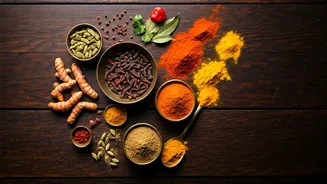
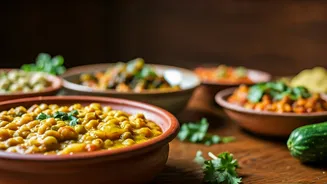
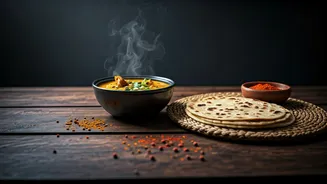
So, how do you make a dish that’s been sitting in the fridge taste brand new? The answer is often a tadka (also known as chaunk or vaghar). This is the foundational technique of Indian cooking and the ultimate reset button for leftovers. A tadka involves blooming whole or ground spices like cumin seeds, mustard seeds, and dried chilies in hot ghee or oil until they sizzle and release their essential oils. This aromatic, flavor-packed mixture is then poured over the dish—be it lentils, vegetables, or yogurt—at the very last moment. A fresh tadka can instantly reawaken a tired bowl of dal, adding a bright, crackling layer of texture and aroma that makes it feel like it was cooked just seconds ago. It's a two-minute trick that delivers a world of complexity.
Classic Transformations, Endless Possibilities
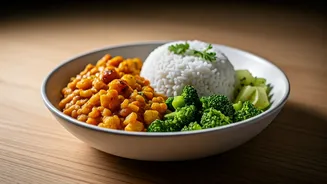
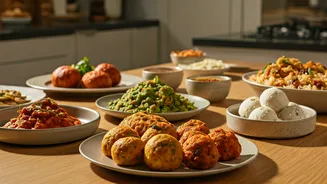
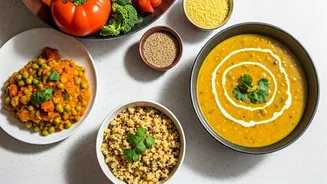
The Indian leftover canon is vast and delicious. That container of plain steamed rice from your takeout order? By the next morning, it’s a canvas. Sputter some mustard seeds, peanuts, and curry leaves in oil, toss in the rice with a squeeze of lemon juice, and you have a vibrant lemon rice. Have a few stale rotis or chapatis? They can be torn and stir-fried with onions, spices, and vegetables to create a savory, bread-based hash called kothu roti or roti upma. The thick lentil stew, dal, that’s lost its verve can be thinned with water, seasoned anew, and transformed into a hearty soup. This isn't about just reheating; it's about reimagining. Each leftover is a prompt for creativity, challenging the cook to build upon existing flavors rather than starting from scratch.
A New Generation Spreads the Word
While these techniques are centuries old, they are finding a new, enthusiastic audience in the United States, thanks in large part to a new generation of Indian American food writers, chefs, and social media influencers. Figures like Priya Krishna, through her cookbook "Indian-ish," and countless TikTok and Instagram creators are proudly sharing the ingenious, waste-reducing hacks they grew up with. They are demystifying these practices for a broader audience, framing them not as a compromise but as a superior way to cook. By sharing videos of turning leftover idlis into a spicy stir-fry or repurposing chicken curry into a sandwich filling, they are making these once-private kitchen traditions public, accessible, and, frankly, cool.
The Perfect Antidote for Modern Problems
It’s no coincidence that this approach is resonating so strongly right now. Americans are increasingly concerned with food waste, with studies showing that the average family throws away hundreds of pounds of food each year. At the same time, inflation has made grocery bills a source of stress for many households. The Indian philosophy of leftovers offers a practical, delicious solution to both problems. It’s a way to stretch your food budget, reduce your environmental footprint, and eat more interesting meals without spending hours in the kitchen. It proves that sustainability and flavor don't have to be mutually exclusive; in fact, one can lead directly to the other.