




The Rise of the 'Drop Zone'
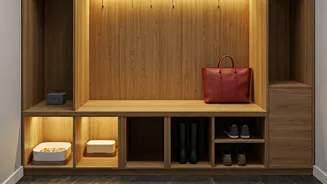
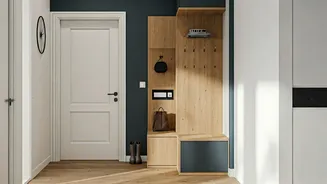
The humble mudroom has received a major upgrade. Today’s coveted feature is the “drop zone,” a transitional space that acts as a command center for a family’s comings and goings. It’s more than just a place for muddy boots. Architects are designing these
areas with military precision: dedicated charging stations for phones and tablets, cubbies labeled for each family member, built-in benches for removing shoes, and integrated message boards or smart screens displaying the family calendar. The goal is to contain the chaos of arrival and streamline the rush of departure, ensuring keys, backpacks, and mail have a designated, easy-to-find home right at the point of entry.
The Kitchen as a Hyper-Efficient Hub
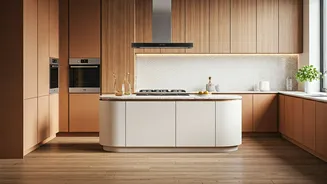
The open-concept kitchen is no longer just about sightlines; it’s about workflow. Convenience is driving a new wave of kitchen design focused on peak efficiency. Think double islands: one for food prep and another for casual dining or homework. Walk-in pantries are being designed less like closets and more like small, organized grocery stores with dedicated zones for snacks, baking, and small appliances to keep countertops clear. We’re also seeing a surge in “beverage stations” with dedicated coffee makers, wine fridges, and filtered water taps, preventing traffic jams around the main sink. It’s all about creating intuitive, multi-user-friendly spaces that support the reality of busy family life.
The End of Single-Purpose Rooms
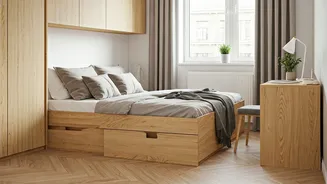
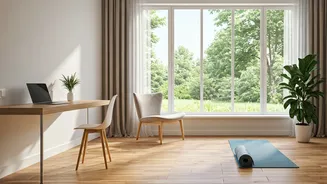
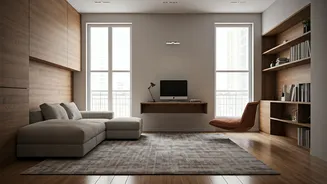
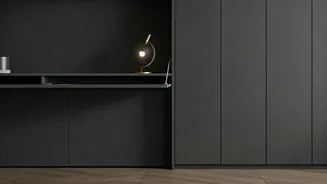
The formal dining room, once a staple of the American home, is on the fast track to extinction. Why? Because it serves a single, infrequent purpose. Today's homeowners demand flexibility. That space is now more likely to be a “flex room”—a home office by day, a homework station in the afternoon, and a space for a Peloton bike in the morning. Guest bedrooms are being outfitted with stylish Murphy beds and built-in desks to function as full-time offices. This isn't just about saving space; it's about maximizing utility. A room that sits empty 350 days a year is no longer seen as a luxury, but as an inconvenience.
Low-Maintenance Is the New Luxury
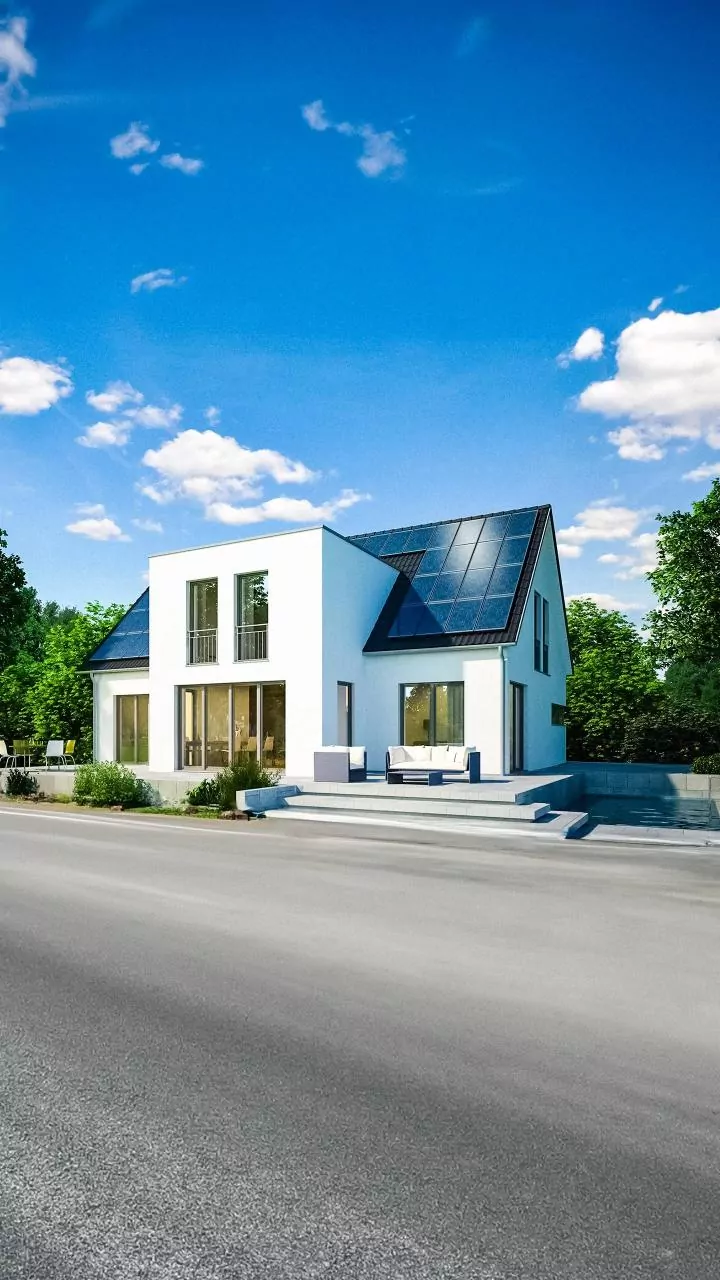
Who has time to seal granite countertops or refinish hardwood floors? The new definition of luxury is a home that doesn't demand constant upkeep. This has led to a massive boom in engineered materials that offer the look of their natural counterparts without the work. Quartz countertops that resist stains and scratches have overtaken granite. Luxury Vinyl Tile (LVT) that mimics wood or stone but can handle spills and pets is replacing traditional flooring. Outside, homeowners are opting for composite decking over wood and choosing native, drought-resistant plants to create low-water, low-effort landscapes. The ultimate convenience is a beautiful home that asks for very little in return.
Seamless Tech, Not Just Smart Gadgets
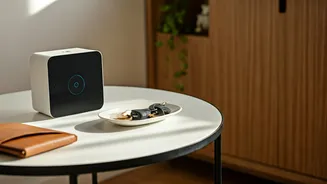
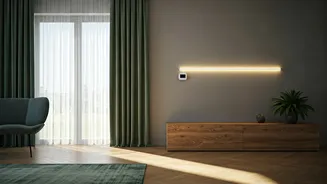
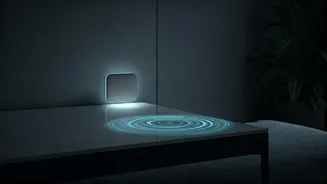
The first wave of the smart home was about novelty: clapping to turn on a light or asking a speaker for the weather. The next-generation, convenience-driven smart home is about seamless integration that works invisibly in the background. Homeowners want systems, not just gadgets. This means automated blinds that adjust to the time of day, a single app that controls security, lighting, and thermostat, and voice controls that are integrated directly into light switches and outlets. The goal is no longer to show off the technology, but to have it quietly anticipate your needs, saving you time and mental energy without requiring you to become an IT expert.