






The Rise of Label Fatigue
For years, the wellness industry operated on a simple premise: a better life was just one restrictive diet away. We were told to eliminate carbs, embrace fat, shun gluten, or eat like our Paleolithic ancestors. Food packaging became a battleground of
certifications and health claims, turning a simple trip to the store into a complex research project. But a quiet rebellion is underway. Consumers are showing signs of 'label fatigue'—a state of exhaustion from trying to adhere to ever-changing, often contradictory, dietary rules. Instead of asking, 'Is this keto?' or 'Is this Whole30 approved?', a more fundamental question is emerging: 'Will this make me feel good?' This shift isn't about giving up on health; it's about redefining it. It’s a move away from external validation from a label and toward internal wisdom about what our bodies actually need.
Why We’re Rejecting Restriction
The backlash against complicated diets is fueled by several factors. First, there's the simple fact that most restrictive diets don't work long-term. Studies and anecdotal evidence alike show that strict elimination diets often lead to a cycle of restriction, craving, and guilt, which can damage a person’s relationship with food. The mental load is another major driver. Keeping track of macronutrients, approved food lists, and hidden ingredients is mentally taxing. This constant 'food policing' can elevate stress and anxiety, ironically undermining the very wellness the diet promised to deliver. Finally, there's a growing cultural awareness around the harm of diet culture. Movements promoting body positivity and intuitive eating have gained mainstream traction, encouraging people to trust their bodies and reject the idea that worth is tied to weight or eating habits. People are realizing that mental peace is as crucial to well-being as physical health.
What 'Balanced Choices' Really Means
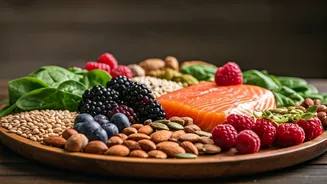
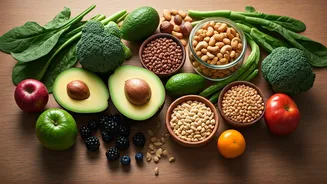
If we’re not following a specific diet, what are we doing instead? The answer is 'making balanced choices,' a concept that’s both refreshingly simple and, for many, frustratingly vague. It's less of a diet and more of a philosophy. At its core, balance means ditching the 'good food' vs. 'bad food' mentality. It’s about eating a variety of foods that nourish you physically and satisfy you emotionally. It means having a salad for lunch because you crave fresh vegetables and having a slice of pizza for dinner with friends because it brings you joy—and not feeling guilty about either. This approach, often associated with intuitive eating, prioritizes listening to your body’s hunger and fullness cues. It emphasizes whole, minimally processed foods as the foundation of your diet—think fruits, vegetables, lean proteins, and whole grains—but leaves room for the foods you eat purely for pleasure. It’s about moderation and variety, not deprivation and perfection.
How to Put Balance on Your Plate
Adopting a balanced approach can feel daunting if you're used to rigid rules. The key is to start small and focus on adding, not subtracting. Instead of banning carbs, try adding a side of roasted vegetables to your pasta. Instead of forbidding dessert, savor a small portion of something you truly love. A simple visual guide is the 'plate method': aim to fill half your plate with non-starchy vegetables, a quarter with lean protein, and a quarter with carbohydrates (preferably high-fiber ones). This isn't a strict rule but a flexible template. The goal is to move away from micromanaging every calorie and toward building sustainable, enjoyable habits. It’s about trusting that your body is smart enough to guide you, if you’re willing to listen. The most effective 'diet' might not be a diet at all, but a peaceful truce with food.