

More Than Just a Chore
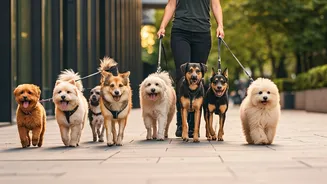
For generations, the dog walk was a purely functional task—a quick, utilitarian loop around the block to attend to biological necessities before rushing back inside. But something has shifted. In urban centers across America, the perfunctory trot is being
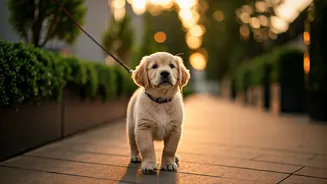
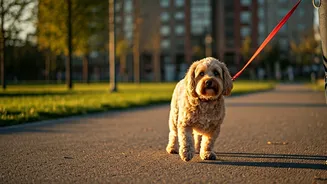
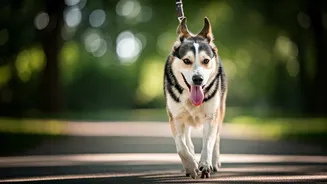
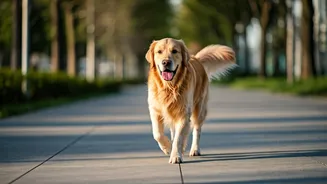
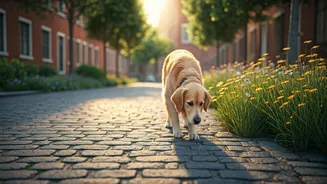
replaced by the 'slow walk.' This isn't about covering distance or burning calories. It's about rejecting the tyranny of the clock and embracing a deliberate, meandering pace dictated not by a human’s schedule, but by a dog’s curiosity. It’s the difference between dragging your pet along the pavement and letting your pet guide you through a sensory tour of the neighborhood. The walk transforms from a chore on a to-do list into a practice in mindfulness, a small rebellion against the pressure to always be productive and efficient.
The Slow Living Movement Goes Urban
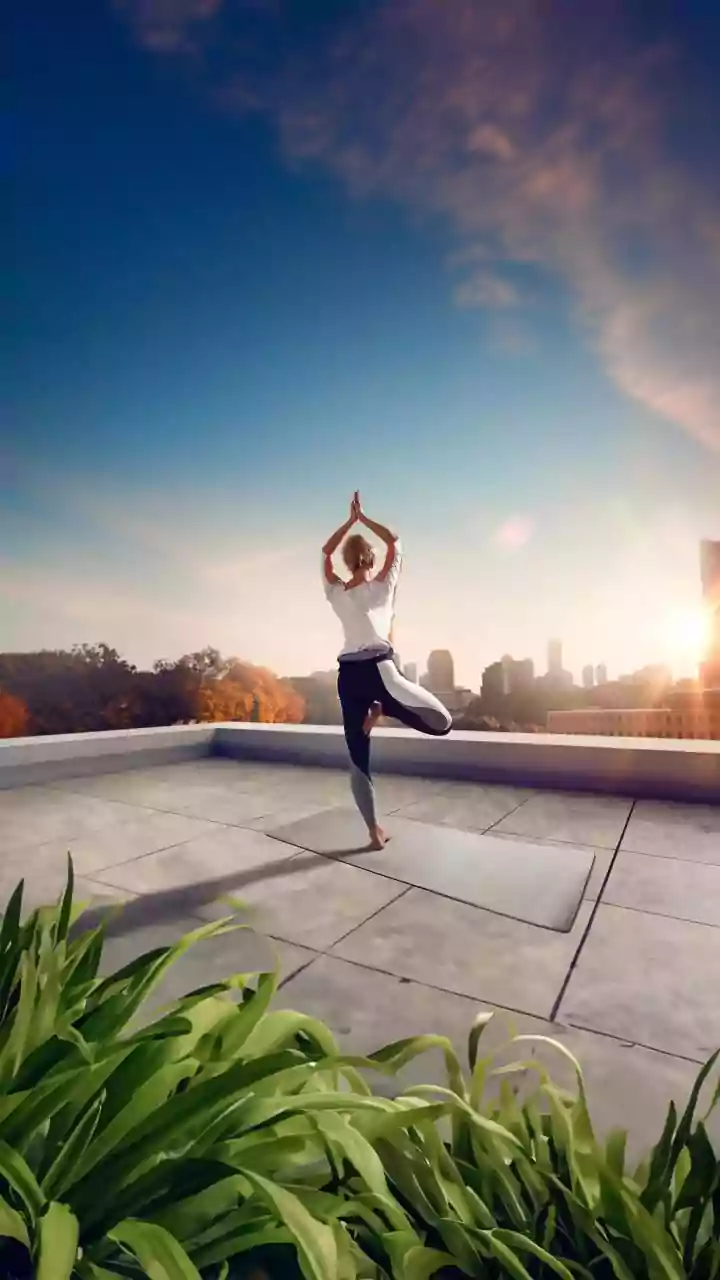
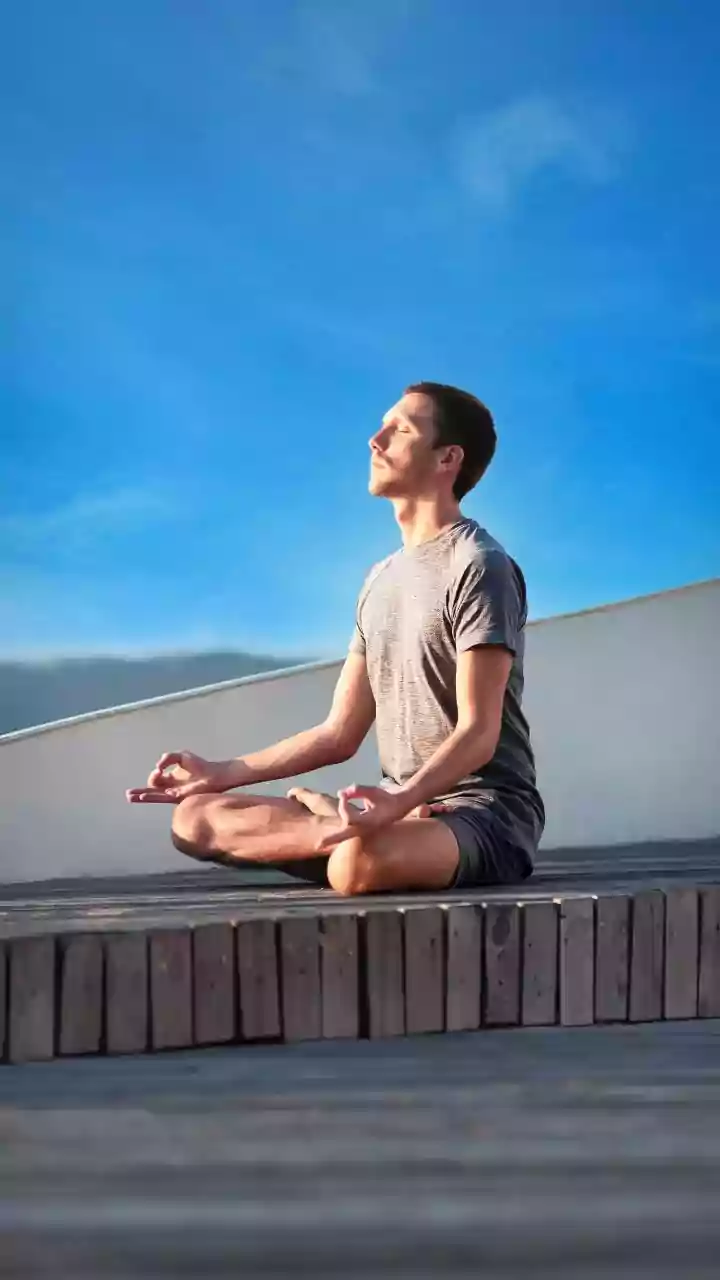
This phenomenon doesn't exist in a vacuum. It’s a hyper-specific manifestation of the broader 'slow living' movement, which has been gaining steam for years as a cultural antidote to burnout. Slow living advocates for a more intentional and conscious approach to everyday activities—from cooking and eating (the 'slow food' movement) to consuming media. Applying this ethos to a city, a place fundamentally defined by speed and density, can feel paradoxical. Yet, that’s precisely why the slow pet walk is so potent. It provides a structured, accessible entry point into a slower way of being. You don't need to move to a farm or overhaul your entire life. You just need to leash up your dog and allow yourself to sync with their unhurried pace for twenty minutes, turning the concrete jungle into a space for quiet observation and mental decompression.
Your Four-Legged Wellness Coach
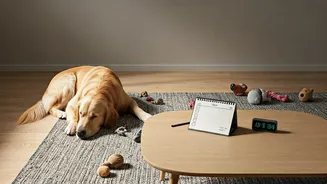
At the heart of this trend is the animal itself. During the pandemic, millions of Americans adopted pets, seeking companionship amid isolation. This surge in ownership coincided with a deeper 'humanization' of our animal companions; they are now firmly seen as family members whose well-being is paramount. In this new dynamic, the pet becomes an unlikely wellness coach. A dog doesn’t care about your next Zoom meeting or the emails piling up. It cares about the fascinating scent on a fire hydrant, the rustle of a squirrel in a tree, the texture of a patch of grass. By forcing their human companions to stop and engage with the immediate, physical world, they provide a powerful, grounding service. They pull us out of our anxious internal monologues and plant us firmly in the present moment, reminding us that there is a whole world to experience beyond our screens.
Reclaiming the Sidewalk
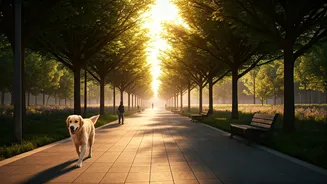
The slow walk also represents a subtle act of reclaiming urban space. City life can often feel anonymous and transactional, with public spaces treated as mere thoroughfares—pathways to get from A to B as quickly as possible. The slow pet walk re-frames the sidewalk as a destination in itself. It’s an opportunity to notice the changing seasons in a single street-side tree, to exchange a friendly nod with a neighbor you’ve never spoken to before, or to discover a tiny community garden tucked behind an apartment building. In this sense, the walk fosters a deeper connection to one’s neighborhood. It builds a sense of place and belonging that is often lost in the hustle. It’s a micro-adventure that reinforces community ties and reminds us that the city is not just a grid of streets, but a living ecosystem full of small wonders, if only we slow down enough to see them.