


The Search for the Uncrowded
For years, the American summer vacation playbook was simple: Paris, Rome, London, repeat. But a collective travel fatigue has set in. The phenomenon of ‘overtourism’ has turned dream destinations into a stressful sea of selfie sticks and hour-long queues.
In response, a growing number of savvy travelers are actively seeking ‘second-city’ or off-the-beaten-path destinations that offer charm without the chaos. This is where a place like Shimla, India, enters the conversation. Nestled in the Himalayan foothills, it provides a refreshing alternative. While it’s a popular spot for domestic Indian tourism, it remains largely undiscovered by the mainstream American market, offering a sense of discovery that’s become a rare commodity. The desire to escape the herd isn't just about avoiding crowds; it’s about finding a place where you can still have a spontaneous, genuine interaction with your surroundings.
A Craving for Genuine Culture
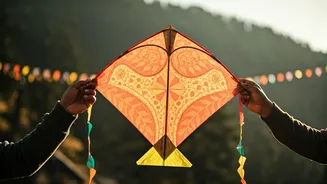
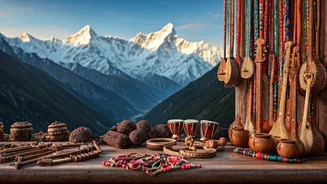
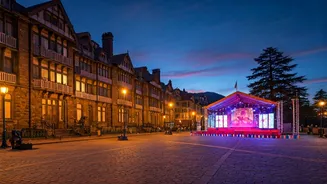
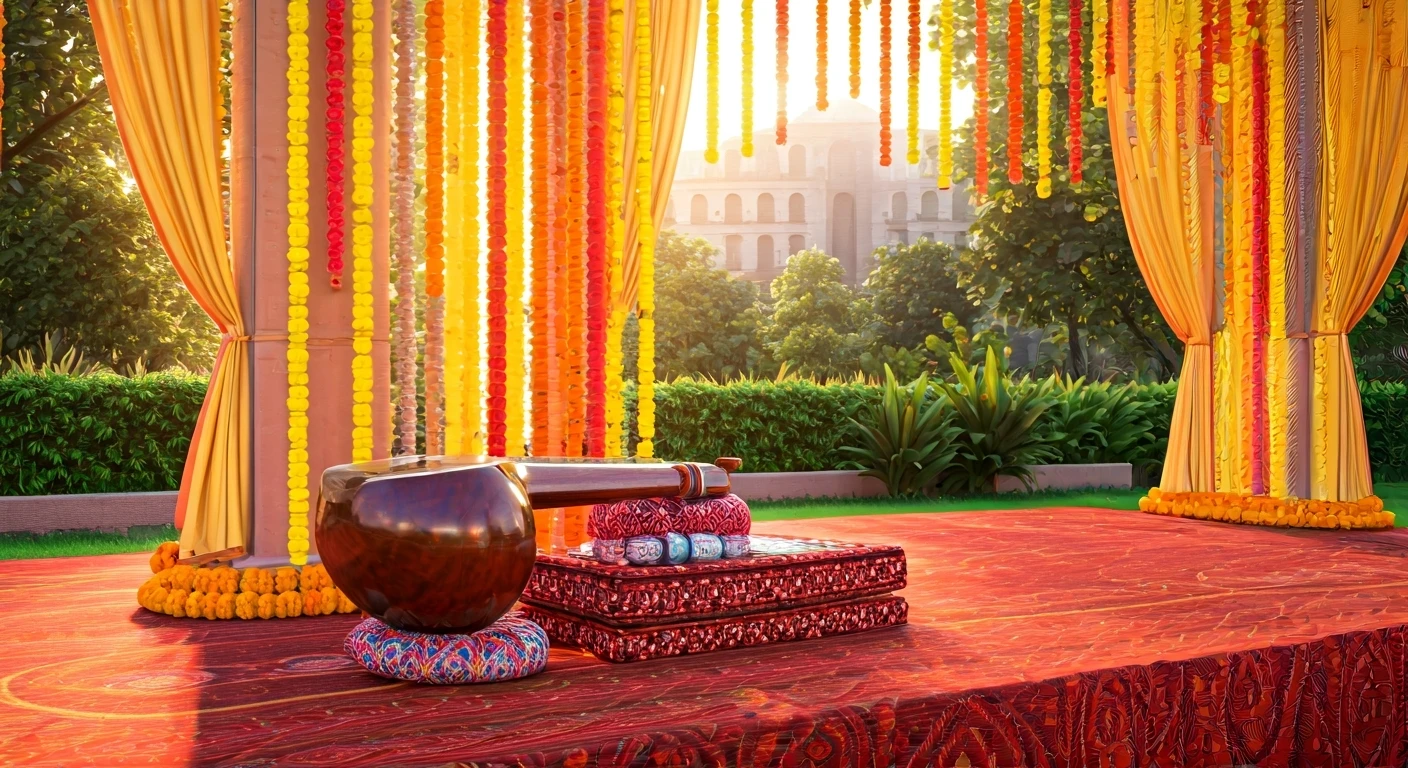
Post-pandemic travel isn't just about where you go; it's about what you do when you get there. Travelers are increasingly trading passive sightseeing for active participation. They want experiences, not just photo ops. Shimla’s annual Summer Festival, typically held in early June, is a perfect match for this trend. This isn't a slick, commercialized event manufactured for tourists. It's a long-standing local tradition. Imagine strolling down the historic Ridge, an open-air public square, as folk dancers from remote mountain villages perform in vibrant costumes. Picture yourself sampling local Himachali cuisine from bustling food stalls while listening to a live classical music concert under the stars. The festival is a rich tapestry of flower shows, photography competitions, and traditional performances that offers an unfiltered window into the region's cultural soul. It’s the antithesis of a packaged tour, providing the kind of authentic, immersive experience modern travelers crave.
The Allure of a Layered History
Another major shift in travel is the demand for destinations with a compelling story. Shimla delivers in spades. It was the official summer capital of British India, a place where viceroys and administrators fled the blistering heat of the plains. That legacy is etched into its very architecture. Walking through Shimla is like stepping back in time. You’ll find neo-Gothic churches, Tudor-style cottages, and grand colonial buildings like the Viceregal Lodge, where crucial decisions about the subcontinent's future were once made. This historical depth provides a rich context that elevates a trip beyond a simple mountain getaway. For the traveler who has already seen Europe’s castles, Shimla’s unique colonial past offers a fascinating new narrative to explore. It’s a living museum, a place where the grandeur of the British Raj coexists with the vibrant energy of modern India.
When Nature Becomes the Main Attraction
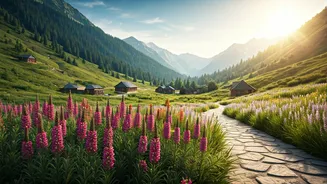
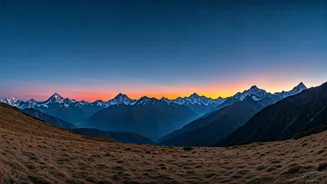
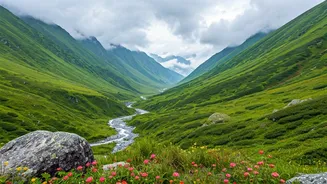
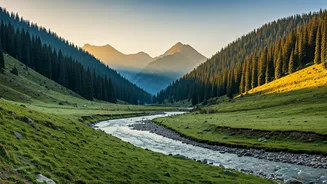
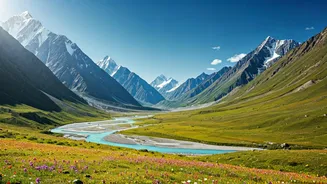
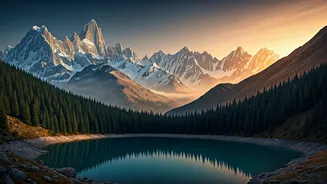
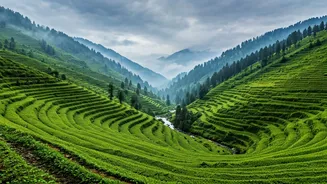
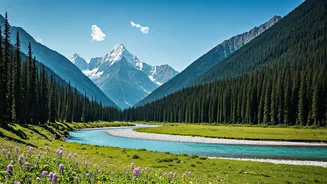
Finally, the trend toward wellness and nature-centric holidays can't be overstated. After years of being cooped up, travelers are looking for fresh air, open spaces, and scenic beauty. Shimla, situated at an altitude of over 7,000 feet, is surrounded by dense forests of pine, deodar, and oak. The crisp mountain air and panoramic views of the snow-capped Himalayas are a powerful draw. The Shimla Summer Festival smartly leverages this natural setting. Many events are held outdoors on the Ridge and the Mall Road, a pedestrian-only thoroughfare that serves as the town's social hub. Visitors can spend their days hiking nearby trails and their evenings enjoying cultural festivities. This blend of nature and culture is a potent combination, satisfying the dual desires for both rejuvenation and enrichment that define the new era of travel.