

A Mountain Range Reborn
Stretching for nearly a thousand miles along India’s western coastline, the Western Ghats are a geological marvel. This UNESCO World Heritage Site is a wall of green that intercepts the moisture-laden winds sweeping in from the Arabian Sea, triggering
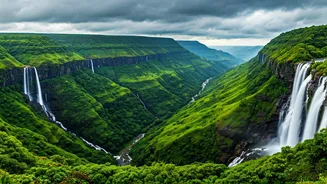
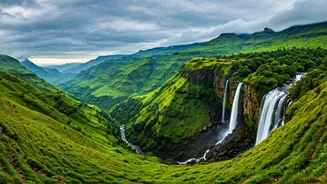
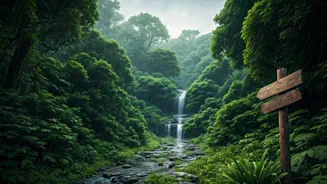
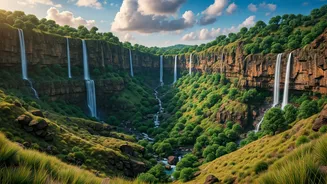
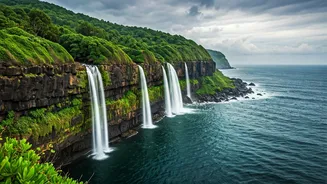
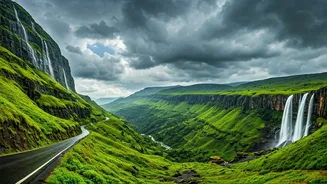
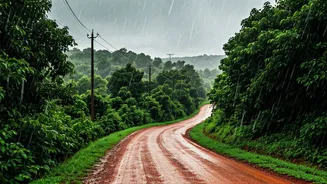
one of the planet’s most intense weather phenomena: the Indian monsoon. From roughly June to September, the region is pummeled by torrential downpours, a period of dramatic retreat for both humans and wildlife. But when the rains finally subside, something magical happens. The landscape, saturated and supercharged, explodes. This post-monsoon period, from late September through November, is when the Ghats reveal their true character. The air is crisp, the skies are a brilliant blue, and every leaf and stone seems to pulse with renewed energy. Waterfalls that were roaring torrents just weeks before now cascade gracefully down mountainsides, feeding streams that wind through impossibly lush valleys. It’s a complete sensory reset, a transition from the gray roar of the monsoon to the technicolor hum of new life.
A Carpet of a Million Flowers
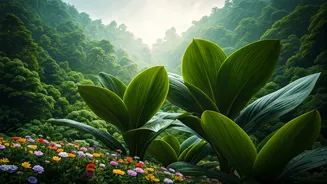
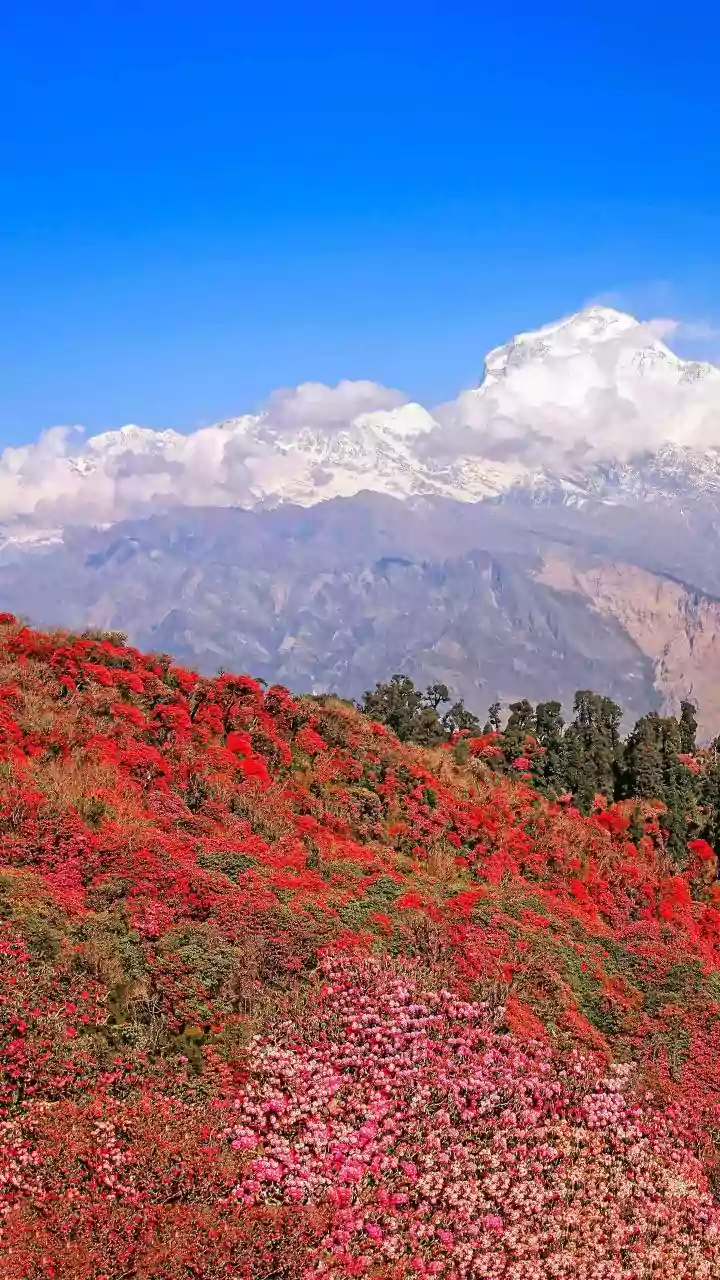
The most visually stunning sign of this transformation is the bloom. Across the high-altitude plateaus, vast stretches of land that lay dormant are suddenly blanketed in wildflowers. The most famous of these is the Kaas Plateau in the state of Maharashtra, often called the “Valley of Flowers.” Here, a tapestry of pink balsam, yellow Smithia, and blue Utricularia flowers creates a breathtaking spectacle that draws visitors from across the globe. It's a fleeting phenomenon, lasting only a few weeks before the sun begins to dry the landscape. Even more legendary is the Neelakurinji, a purplish-blue bell-shaped flower that carpets entire hillsides in the southern Ghats but blooms only once every 12 years. The last major bloom in 2018 was a global event for nature lovers. But every year, countless other species of orchids, lilies, and endemic flowers put on their own smaller, yet equally spectacular, shows for those who know where to look. This floral explosion is the engine of the ecosystem, providing a sudden feast for insects and birds.
The Chorus of Hidden Creatures
With the flowers comes the fauna. The post-monsoon season is the best time to witness the sheer diversity of life that gives the Western Ghats its “biodiversity hotspot” designation—meaning it has a high concentration of unique species found nowhere else on Earth. The constant chirping, buzzing, and croaking is the region’s new soundtrack. This is the prime season for amphibians. The humid, waterlogged environment is perfect for frogs, including the bizarre-looking Indian purple frog, a living fossil that spends most of its life underground, and the vibrantly colored Malabar gliding frog, which uses its webbed feet to parachute between trees. Butterflies are everywhere, with over 300 species, including the massive Southern Birdwing, flitting through the forests. Reptiles, from the harmless bamboo pit viper to the majestic king cobra, become more active, basking in the gentle sun. It’s a paradise for birdwatchers, too, as resident species like the Malabar trogon and Nilgiri flycatcher are joined by migratory birds escaping colder climates.
An Emerald World Worth Protecting
This vibrant phase is more than just a beautiful travel moment; it’s a powerful reminder of what makes the Western Ghats so globally important. These mountains are the source of dozens of major rivers that provide water to hundreds of millions of people across southern India. The forests act as a massive carbon sink, regulating the climate far beyond their own borders. And the staggering variety of life they hold represents an irreplaceable genetic library, with new species still being discovered regularly by scientists. But this natural treasure is under threat from deforestation, habitat fragmentation, and climate change, which is making rainfall patterns more erratic. The brilliant, fleeting beauty of the post-monsoon season is a powerful argument for the conservation efforts underway to protect this delicate and vital ecosystem for generations to come.