
So, What Exactly Is Makhana?
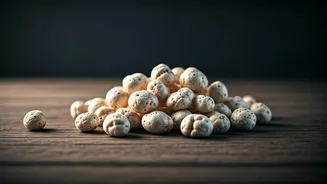
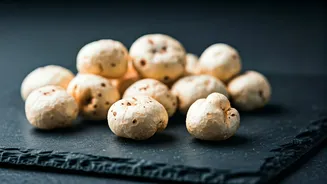
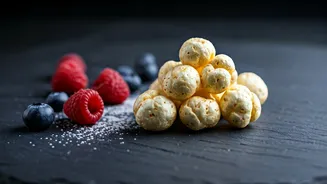
Before you can 'flex' a pantry ingredient, you need to know what it is. Makhana, also known as fox nuts or phool makhana, are the puffed seeds of the prickly water lily (Euryale ferox). Harvested from the stagnant wetlands of South and East Asia, these
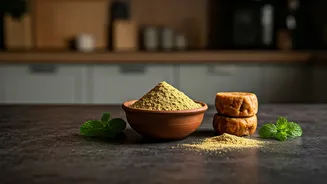
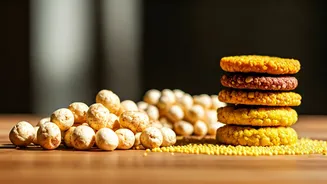
seeds have been a staple in Indian cuisine and Ayurvedic medicine for centuries. Raw, they look like small, white, irregularly shaped balls, with a texture that’s somewhere between a packing peanut and stale puffed corn. It doesn't sound glamorous, but that neutral, airy starting point is precisely what makes them so magical. Unlike popcorn, they don’t have a hard kernel or a hull that gets stuck in your teeth. They are pure, light, and ready to absorb any flavor you throw at them. Think of them as the ultimate blank canvas in the snack world.
The Ultimate 'Pantry Flex' Credentials
Here’s why having a bag of makhana on your shelf is such a power move. First, the nutritional profile is stellar. Makhana are naturally gluten-free, low in calories, and cholesterol-free. They pack a surprising amount of plant-based protein and fiber, making them far more satiating than empty-calorie snacks. They are also rich in antioxidants and essential minerals like magnesium and potassium. For those watching their blood sugar, makhana have a low glycemic index, meaning they won't cause the dramatic spikes and crashes associated with sugary treats. This combination of being light yet filling, and crunchy yet wholesome, is what elevates them from a simple snack to a genuine wellness asset. They deliver the satisfying crunch of potato chips or popcorn but with a nutritional resume that you can actually feel good about.
The Bridge from Savory to Sweet
For those already familiar with makhana, it’s likely as a savory snack. The most common preparation involves roasting the seeds in a little ghee or coconut oil until they become incredibly crisp, then tossing them with salt, turmeric, and other spices like chaat masala or black pepper. This is a fantastic, addictive snack that easily replaces a bowl of popcorn on movie night. But its true versatility shines when you take it in a sweet direction. Because the base flavor is so mild and almost milky, makhana beautifully absorbs sweet coatings. It doesn’t compete with flavors like chocolate, caramel, or cinnamon; it enhances them by providing a crunchy, airy texture that melts in your mouth. This adaptability is what makes it a secret weapon for modern, healthier dessert-making.
Your New Dessert Super-Ingredient
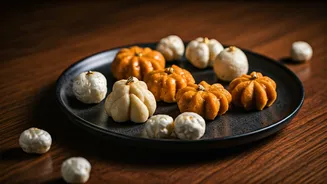
Ready to experiment? The easiest entry point is to make a batch of sweet roasted makhana. Simply dry-roast the seeds in a pan over low-medium heat for about 10–12 minutes until they are crisp (test one—it should shatter when you bite it, not feel chewy). From there, the possibilities are endless. For a 'caramel corn' effect, melt a little coconut oil or ghee in the pan, stir in a tablespoon of maple syrup or coconut sugar with a pinch of salt and cinnamon, and toss the roasted makhana until coated. Spread them on a baking sheet to cool and crisp up. Another brilliant use is as a chocolate treat. Drizzle melted dark chocolate over your roasted makhana, toss to coat, and let them set in the fridge for a crunchy, poppable bonbon. You can also incorporate them into traditional desserts. In India, makhana kheer is a beloved pudding where the seeds are simmered in milk until they soften, creating a creamy, luxurious dessert similar to rice pudding. Or, simply crush roasted makhana and sprinkle it over yogurt, ice cream, or smoothie bowls for a gluten-free, nutrient-dense crunch.