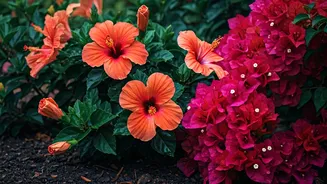







Understand the Monsoon Threat
Before you grab the pruning shears, it’s crucial to understand what your plants are up against. A monsoon isn’t just a series of gentle showers; it’s a dramatic shift in weather patterns. The primary dangers for hibiscus and bougainvillea are root rot
from waterlogged soil, physical damage from high winds and the weight of rain on dense foliage, and fungal diseases that flourish in the sudden, intense humidity. While these plants love water, the sheer volume delivered by a monsoon can suffocate their roots if drainage is poor. Simultaneously, strong gusts can snap branches and even uproot poorly established plants. Your goal isn't to fight the rain, but to help your plants use it to their advantage.
The Strategic Pre-Monsoon Prune
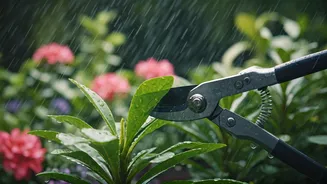
This is arguably the most important step. A week or two before the rains are expected to start, it’s time for a strategic haircut. This is not a hard, restorative prune—save that for another season. Instead, you are thinning the plant to make it more resilient. Focus on removing weak, crossing, or dead branches. The main goal is to open up the plant's canopy. A less dense structure allows wind to pass through rather than pushing against it like a sail, significantly reducing the risk of broken limbs. Better airflow also helps prevent fungal diseases like powdery mildew from taking hold once the humidity skyrockets. For bougainvillea, this is also a good time to secure long, rambling canes to their support structures.
Fortify the Foundation: Soil and Drainage
Excellent drainage is non-negotiable. If your plants are in containers, this is the time to ensure the drainage holes are clear. Tip the pot and clear away any clogged soil or roots. You might even consider elevating pots on “pot feet” or bricks to ensure water can escape freely and doesn’t pool underneath. For plants in the ground, avoid the temptation to build a thick mound of soil around the base, as this can trap moisture against the stem. Instead, gently aerate the soil around the plant with a garden fork, being careful not to damage the main roots. Apply a layer of coarse mulch, like bark chips, but keep it a few inches away from the main stem to prevent collar rot. This helps regulate soil temperature and prevent erosion without waterlogging the crown.
Adjust the Feeding Schedule
It seems counterintuitive, but you should hold off on nitrogen-heavy fertilizers as the monsoon approaches. The influx of rainwater will naturally trigger a burst of new, leafy growth. Adding a high-nitrogen fertilizer on top of that encourages weak, leggy stems that are more susceptible to wind damage and pests like aphids. Instead, if you feel the need to fertilize, opt for a formula low in nitrogen but rich in phosphorus and potassium. These nutrients support strong root development and overall plant vigor, which is exactly what your hibiscus and bougainvillea need to withstand the stresses of the season. Think of it as building a strong skeleton rather than just bulking up with soft tissue.
Begin Pest and Disease Patrol
High humidity is an open invitation for pests and fungal diseases. Get ahead of the problem by doing a thorough inspection now. Check the undersides of leaves for aphids, mealybugs, and spider mites. A preventative spray of neem oil solution (always applied in the cooler evening hours to avoid leaf scorch) can work wonders. This pre-treatment creates an inhospitable environment for pests before they have a chance to explode in number. Once the rains begin, make it a habit to inspect your plants after each storm. Shake off excess water from the leaves and flowers to promote quick drying and keep an eye out for the first signs of black spot or powdery mildew.