






The End of ‘Checklist Tourism’
For decades, the classic Indian family vacation—or “holiday,” in local parlance—followed a familiar script. It often involved a large group, a packed itinerary, and a destination chosen for its blockbuster appeal. Think visiting the Taj Mahal, hitting
the beaches of Goa, or taking a whirlwind tour of Europe. The goal was often performative: to see the famous sights, take the requisite photos, and return with proof of a trip well-taken. Success was measured by how many boxes you could check off a pre-approved list of attractions. But for India’s Millennials and Gen Z, a demographic cohort of hundreds of millions, this model feels increasingly hollow. Raised on the internet, exposed to global cultures, and facing the modern pressures of urban burnout, they are questioning the very definition of a vacation. Instead of asking “Where can I go?” they’re asking “Why should I go?” This fundamental shift is fueling a demand for travel that does more than just entertain—it has to resonate.
The Rise of ‘Slow Travel’ and Authenticity
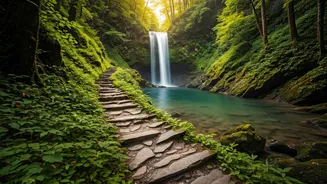
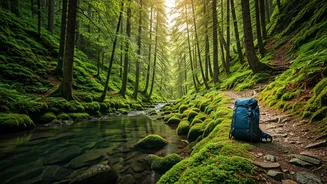
One of the biggest trends emerging from this mindset is “slow travel.” Rather than rushing through five cities in seven days, young Indians are opting to spend weeks, or even a month, in a single location. The destination is often a quiet mountain town in Himachal Pradesh, a sleepy coastal village in Kerala, or a remote corner of Northeast India. The accommodation of choice is increasingly a homestay or a small, independent guesthouse instead of a sprawling corporate hotel. The goal is immersion, not observation. They want to shop at the local market, learn a few words of the regional dialect, find the best neighborhood coffee shop, and understand the rhythm of a place. It’s a rejection of the sanitized tourist experience in favor of something more authentic and personal. This isn’t about roughing it; it’s about connecting with a place and its people on a deeper level, creating memories that are more meaningful than a selfie in front of a monument.
From Vacation to ‘Workation’
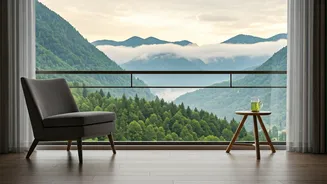
The global pandemic and the subsequent rise of remote work have supercharged another trend: the “workation.” For young professionals in tech, marketing, and creative fields, the ability to work from anywhere has become a life-altering opportunity. Instead of being chained to a desk in a congested city like Mumbai or Bengaluru, they can log in from a villa with a mountain view or a beachside cafe. This isn't just about a better backdrop for Zoom calls. It’s a strategic escape from urban fatigue and a way to integrate leisure into daily life. A workation allows for a hike before the workday begins or exploring a new town after logging off, blending productivity with well-being. This hybrid model makes more sense for a generation that values work-life balance and sees travel not as a rare escape, but as a potential component of their everyday existence.
Purpose-Driven and Sustainable Choices
A vacation that “makes more sense” is also one that aligns with personal values. A growing consciousness around climate change and social impact has made sustainability a key factor for young Indian travelers. They are actively seeking out eco-friendly lodges that use solar power and manage waste responsibly. They are more likely to question the ethics of certain animal tourism activities and are interested in trips that support local conservation efforts or community-based initiatives. This extends to financial sense, too. While not always about choosing the cheapest option, it’s about maximizing value. Many would rather spend their money on a month-long stay in an affordable, off-the-beaten-path location than on a three-day luxury splurge. The new currency is experience-per-dollar, and a trip’s worth is measured by the richness of the experience, not the opulence of the surroundings.