




The Overture of the Monsoon
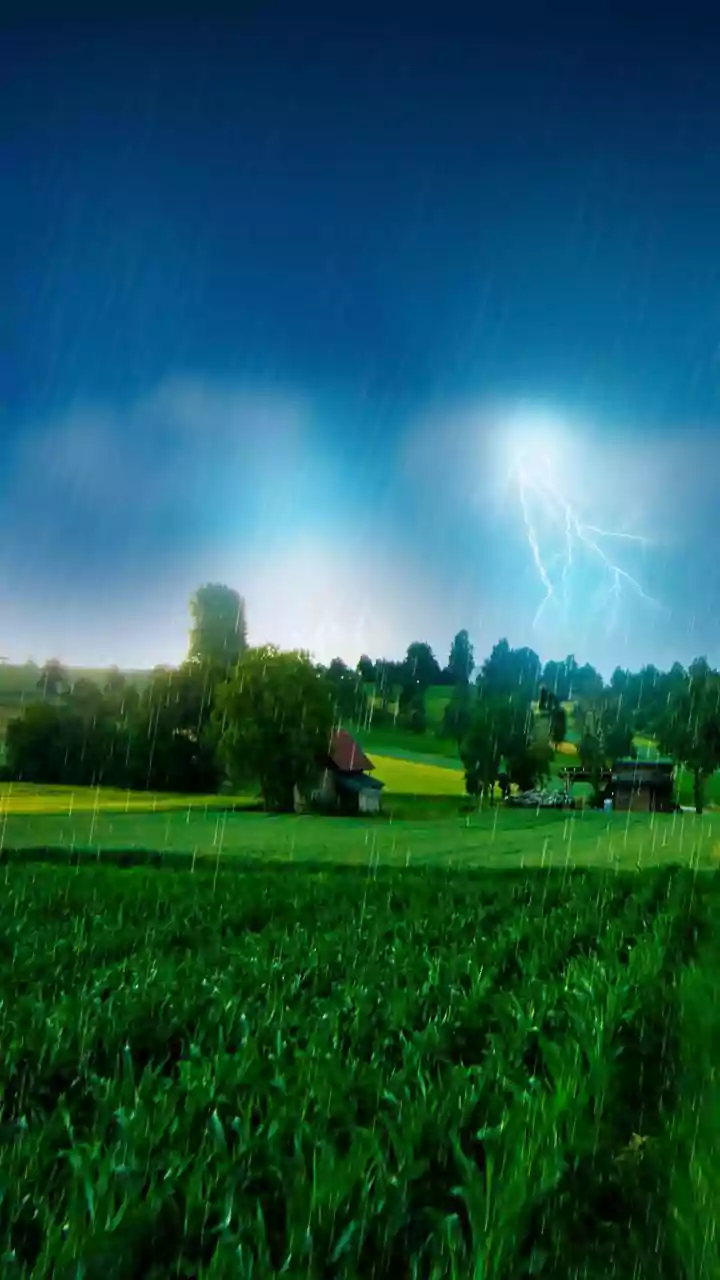
It begins not with a whimper, but with a declaration. The sky, a brilliant blue for months, bruises to a slate gray. The air grows heavy, thick with anticipation. Then, the first fat drops of rain hit the parched red earth, releasing the intoxicating
scent of petrichor—a perfume of dust and water that signals a profound shift. This isn't just a change in weather; it's a change in character. The frantic energy of peak season dissolves, replaced by a languid, contemplative rhythm. The Goan monsoon doesn’t just arrive; it makes an entrance, setting the stage for the drama to unfold. The constant hum of tourist scooters is replaced by the percussive soundtrack of rainfall on tiled roofs and broad banana leaves, a sound that is at once soothing and theatrical.
A World Washed in Green
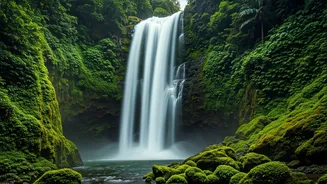
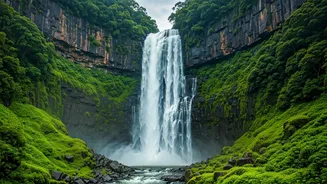
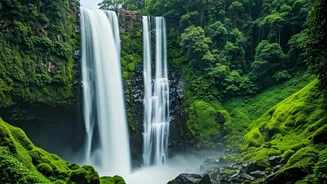
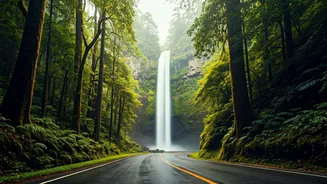
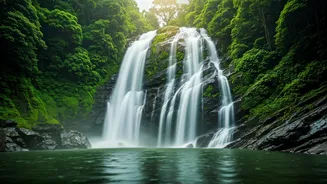
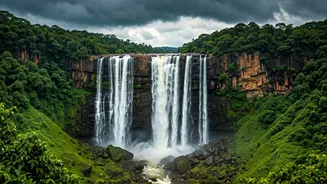
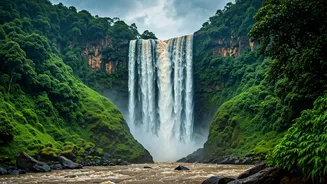
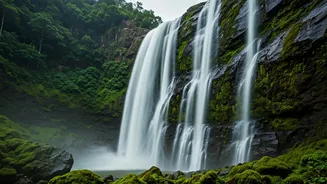
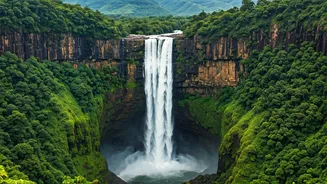
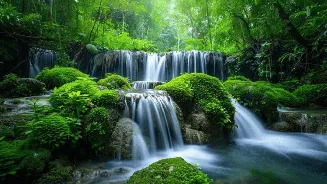
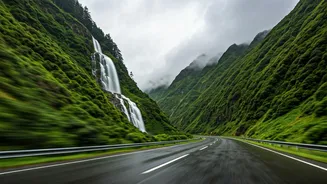
When the rain takes a breath, the world it leaves behind is shockingly, almost impossibly, vibrant. The true magic of monsoon Goa lies in its colors. The hinterlands, a tapestry of sleepy villages and dense forests, explode in every conceivable shade of green. Paddy fields become fluorescent quilts, glowing with a life force that feels electric. The winding roads that snake through the Western Ghats, a UNESCO World Heritage site, are transformed into misty, emerald tunnels. Waterfalls, mere trickles in the dry season, become roaring spectacles. The famed Dudhsagar Falls, its name meaning “Sea of Milk,” thunders down the mountainside, a magnificent display of nature’s raw power. Driving through these landscapes feels like moving through a living watercolor painting, where the mist blurs the horizon and every view is a moody masterpiece.
The Comfort of Spice and Solitude
The drama of the outdoors makes the indoors a sanctuary. This is the season for finding a cozy corner in a centuries-old Portuguese-style home, now a boutique hotel, and watching the world dissolve in sheets of rain. The cooler, damp air invites warmth and comfort, which Goan cuisine provides in abundance. This is the time for a fragrant, steaming fish curry-rice, its spices a perfect counterpoint to the chill. It’s for sipping hot chai at a roadside stall, the steam warming your hands as you watch village life continue at its unhurried pace. A visit to a spice plantation becomes a multi-sensory experience; the air is thick with the scent of cloves, cardamom, and wet soil. The romance here is subtle. It’s found in the solitude, the quiet conversations, and the simple pleasure of being warm and dry while a storm rages outside.
The Slow, Romantic Rhythm
In the monsoon, Goa forces you to slow down. With many beach shacks closed and the Arabian Sea too rough for swimming, the usual attractions are off the table. What you get in return is something more profound: space. The roads are empty, inviting long, aimless drives with no destination in mind. You can explore the quiet temples of Ponda or the historic churches of Old Goa without the jostle of crowds, their ancient stones slick with rain and seeming to hold their secrets a little closer. This is the Goa for writers, artists, and lovers—for anyone seeking connection, either with a partner or with themselves. The 'drama' of the headline isn't about conflict; it’s the sublime theater of nature, and the 'romance' is the deep, peaceful feeling of being a small, quiet part of it.