


The Part We Normally Trash
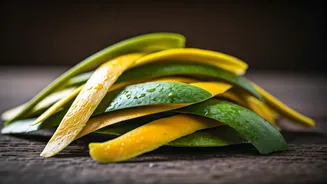
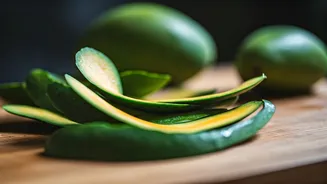
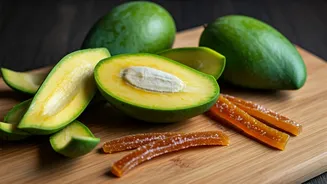
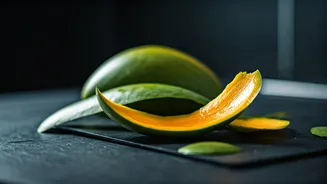
The idea of eating a mango peel might sound strange, even unappetizing. It’s tough, a little bitter, and for years has been universally considered food waste. Yet, in kitchens and on social media, from food bloggers to nutrition enthusiasts, the humble
mango skin is being rebranded from trash to treasure. This isn't just about finding a new, exotic ingredient; it’s part of a larger cultural shift. We’re more conscious than ever about minimizing food waste, a concept known as root-to-stem or nose-to-tail cooking. If we can eat broccoli stems and carrot tops, proponents argue, why not the nutrient-packed wrapper of one of the world's most popular fruits?
A Nutritional Powerhouse
So, what are we missing out on by tossing the peel? A surprising amount. Mango peels are a concentrated source of dietary fiber, which is essential for digestive health and can help you feel fuller longer. They also contain significant levels of vitamins A and C, antioxidants that are crucial for immune function and skin health. But the real stars are the polyphenols and carotenoids. The peel is particularly rich in mangiferin, a powerful antioxidant that studies suggest may have anti-inflammatory and even anti-cancer properties. It also contains other beneficial compounds like quercetin and resveratrol, the same antioxidant famously found in grape skins. In essence, the peel acts as the fruit's first line of defense against the elements, and it loads up on protective compounds to do so—compounds we can also benefit from.
Important Things to Consider
Before you dive in, there are a few crucial caveats. First and foremost: pesticides. As the outer layer, the peel is directly exposed to any chemicals used during cultivation. To minimize your risk, it's highly recommended to use only organic mangoes if you plan to consume the skin. Regardless, you should wash the fruit thoroughly with a vegetable brush under running water. Second is the texture and taste. Mango peels are fibrous and can have a slightly bitter, resinous flavor that isn’t for everyone. Finally, mangoes belong to the same family as poison ivy and contain urushiol, the compound that causes the infamous rash. While the concentration is much lower, individuals who are highly sensitive to poison ivy may experience a mild allergic reaction, often around the mouth.
How to Actually Eat Them
Ready to give it a try? The key is to incorporate the peel in a way that mitigates its tough texture and bitter notes.
- **Blend It:** The easiest entry point is your morning smoothie. Simply wash a slice of an organic mango, skin and all, and toss it into the blender with your other ingredients. The blades will break down the fiber, and the other fruits will mask any bitterness.
- **Make a Pickle or Chutney:** In many parts of India, raw mango pickles are a staple, and they often use the entire fruit, peel included. The tart, spicy, and salty flavors of the pickling brine are a perfect match for the peel's assertive character. Finely chopping or grating the peel before adding it to a chutney also works wonders.
- **Create Mango Peel Powder:** Dehydrate thin strips of the peel in an oven on the lowest setting or in a food dehydrator until completely dry and brittle. Then, grind them into a fine powder. This “mango dust” can be added to spice rubs, sprinkled over yogurt, or mixed into baked goods for a nutritional boost.
- **Infuse Oils or Vinegars:** Add clean, dry mango peels to a bottle of olive oil or white wine vinegar and let it infuse for a week or two. You’ll get a subtly fragrant, fruity essence perfect for salad dressings.