





Beyond the Usual Holiday
Forget planning a vacation months in advance to see a specific landmark. A growing number of Indian travelers, particularly from the swelling middle and upper-middle classes, are making travel decisions based on a single, urgent factor: the weather forecast.
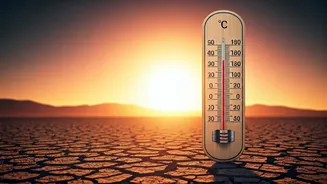
When temperatures in cities like Delhi, Mumbai, or Bengaluru soar past 110°F (43°C), travel booking sites see an immediate, dramatic spike in searches for flights and hotels in cooler climes. This isn't your typical seasonal getaway; it’s a reactive, almost spontaneous migration driven by the need for thermal relief. Travel agencies and platforms like MakeMyTrip and Agoda have reported surges of over 25-40% in bookings to mountain destinations coinciding directly with the onset of severe heatwaves on the plains. This phenomenon turns a vacation from a luxury into a perceived necessity—a short-term solution for escaping environments that are becoming temporarily unlivable.
The Driving Force: Unprecedented Heat
This trend isn't happening in a vacuum. India, like many parts of the world, is experiencing longer, more intense, and more frequent heatwaves. In recent years, major metropolitan areas have endured weeks on end of extreme heat that disrupts everything. Schools close, outdoor work becomes dangerous, power grids strain under the demand from air conditioners, and public health is put at risk. For those with the financial means, staying put and suffering through it is no longer the only option. The rise of remote work post-pandemic has also given many professionals the flexibility to temporarily relocate. A week or two spent working from a cool café in the mountains is infinitely more appealing—and productive—than being trapped indoors with the AC blasting at home. What was once a niche decision has become a mainstream coping mechanism for a significant slice of the urban population.
The Great Migration to the Hills
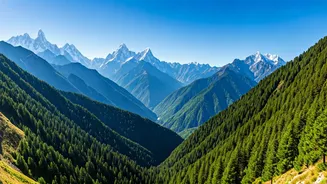
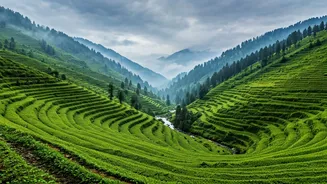
So where is everyone going? The primary beneficiaries of this heat-driven exodus are the hill stations nestled in the Himalayan foothills. States like Himachal Pradesh, Uttarakhand, and Jammu and Kashmir have become the go-to climate refuges. Destinations such as Shimla (a former summer capital of British India), Manali, Mussoorie, and Nainital are seeing unprecedented levels of tourist traffic, not just during the traditional summer holiday season but anytime a heatwave strikes the lowlands. The appeal is simple: when Delhi is baking at 115°F, these mountain towns offer a pleasant 70°F. The migration isn't just northward. Coastal towns and destinations in southern India with more moderate climates, like parts of Kerala or the Andaman Islands, also see a bump in visitors looking to escape the dry, oppressive heat of the interior.
An Uneasy Boom for Mountain Towns
This influx of what some are calling “thermal tourists” is a double-edged sword for the host destinations. On one hand, it’s an economic boom for regions heavily reliant on tourism. Hotels are full, restaurants are busy, and local businesses are thriving. On the other hand, these small mountain towns were not built to handle the infrastructure strain of a major city’s population suddenly descending upon them. The results are predictable and problematic: hours-long traffic jams on narrow mountain roads, severe water shortages as demand outstrips supply, overflowing garbage, and skyrocketing prices for accommodations and basic goods. The very tranquility that people are seeking is being threatened by the sheer volume of those seeking it. This creates a challenging paradox for local governments: how to manage the economic benefits of over-tourism without allowing it to destroy the natural environment that makes the region attractive in the first place.