

The Soul of the Handmade
What exactly is a 'craft-led' interior? At its core, it’s a design philosophy that prioritizes objects with a human touch. Instead of a room filled with perfectly uniform items from a big-box store, this approach celebrates pieces that show the hand of their
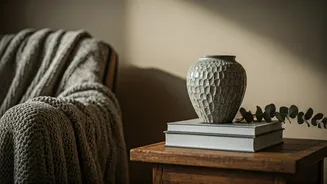
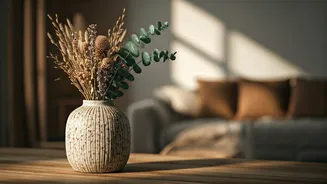
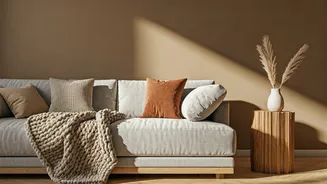
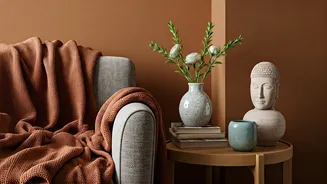
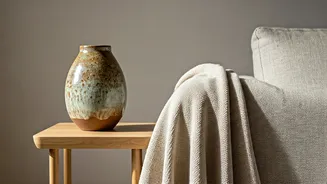
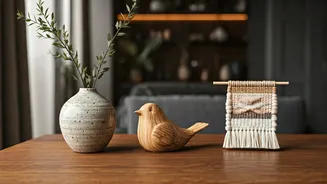
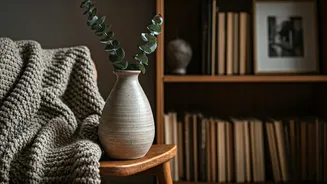
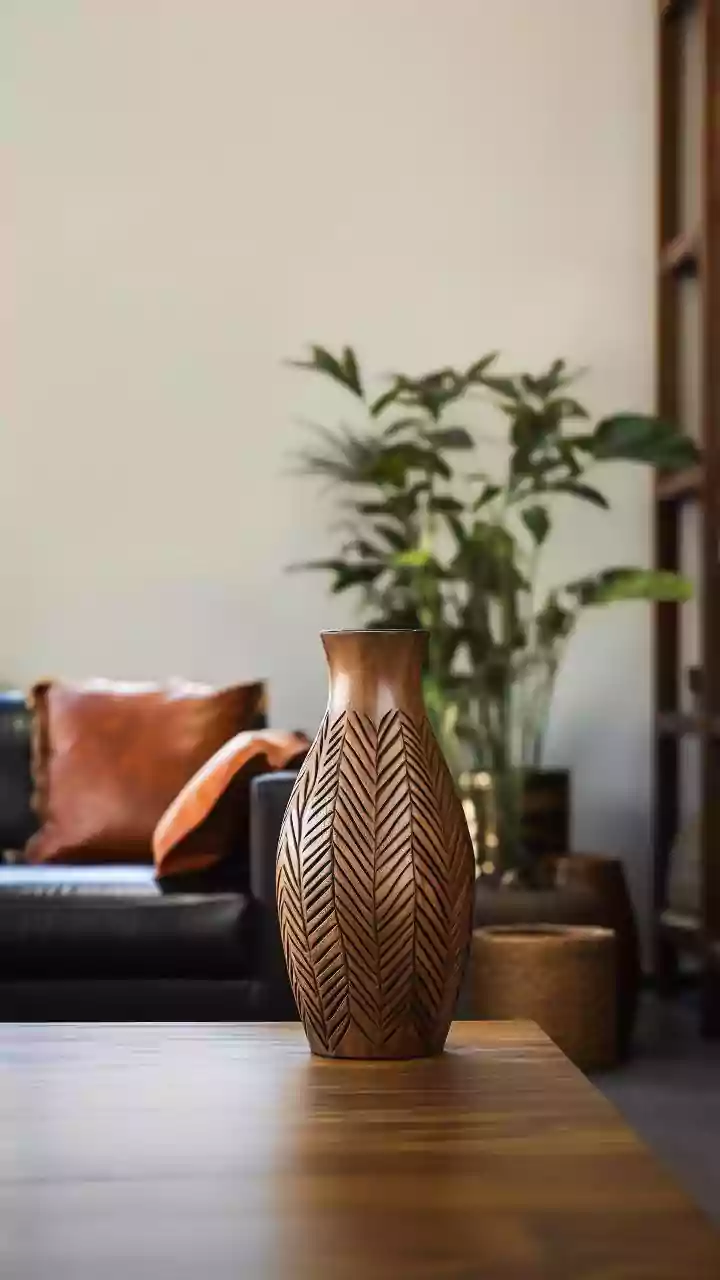
maker. Think of a hand-thrown ceramic vase, its surface bearing the faint imprint of the artist's fingers; a reclaimed wood table with a history etched into its grain; or a chunky, hand-knitted blanket draped over a sofa. It’s about choosing items that have a story, a provenance, and a sense of soul. This isn’t about rejecting modernity entirely, but rather about thoughtfully integrating pieces that ground a space in authenticity. The focus shifts from fleeting trends to timeless materials like clay, wool, linen, and solid wood—materials that age gracefully and develop a unique patina over time.
A Symphony of Texture
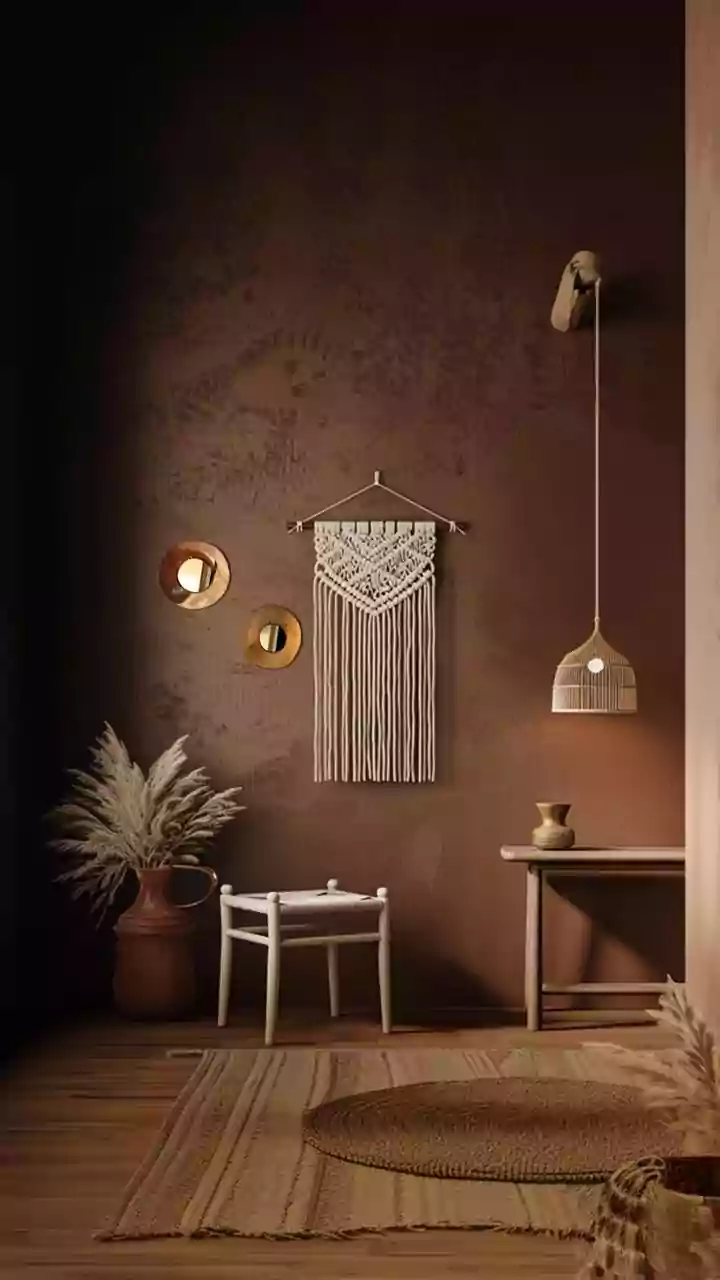
One of the most immediate impacts of a craft-led approach is the introduction of rich, varied texture. Mass-produced design often favors smooth, sleek, and visually quiet surfaces. While clean and minimalist, this can sometimes feel sterile or cold. Craft, by its very nature, is tactile. The rough, uneven surface of a plaster wall, the smooth coolness of a marble dish, the soft pile of a Moroccan rug—these elements invite you to engage with your environment on a sensory level. Running your hand over a carved wooden bowl or sinking your feet into a thick wool carpet creates a physical connection to your home. This layering of textures adds visual depth and complexity, making a room feel warmer, more interesting, and infinitely more inviting. It turns the home from a place you simply look at into a space you experience with all your senses.
Objects That Hold Memories
This is where the heart of the craft-led movement lies. The objects we choose to live with are more than just functional or decorative; they are vessels of memory. A factory-made picture frame is just a frame. But a small, imperfect ceramic dish you bought from an artist on a memorable vacation holds the story of that trip. A quilt stitched by a grandparent isn’t just a blanket; it’s a tangible link to family history and love. Craft-led interiors are curated collections of these story-filled objects. Each piece serves as a memory keeper, a marker of a moment in time, a relationship, or a personal passion. By surrounding ourselves with these items, we build a narrative. Our homes stop being showrooms for the latest style and start becoming deeply personal archives of our lives, reflecting who we are, where we’ve been, and what we value.
Embracing Imperfect Beauty
In a world obsessed with filters and flawlessness, the craft-led ethos finds beauty in imperfection. This idea, often associated with the Japanese philosophy of wabi-sabi, celebrates the authenticity of the incomplete, the weathered, and the modest. A slight asymmetry in a hand-blown glass, the visible brushstrokes on a painting, or the natural wear on a vintage piece of furniture are not defects to be hidden. They are marks of character, evidence of an object's unique journey from creation to your home. This mindset offers a powerful antidote to consumer pressure and the pursuit of an unattainable ideal. It allows for a home that can evolve, adapt, and show signs of life without apology. It’s a gentler, more forgiving way to live, where a small crack or a faded patch adds to an object's story rather than detracting from its value.