
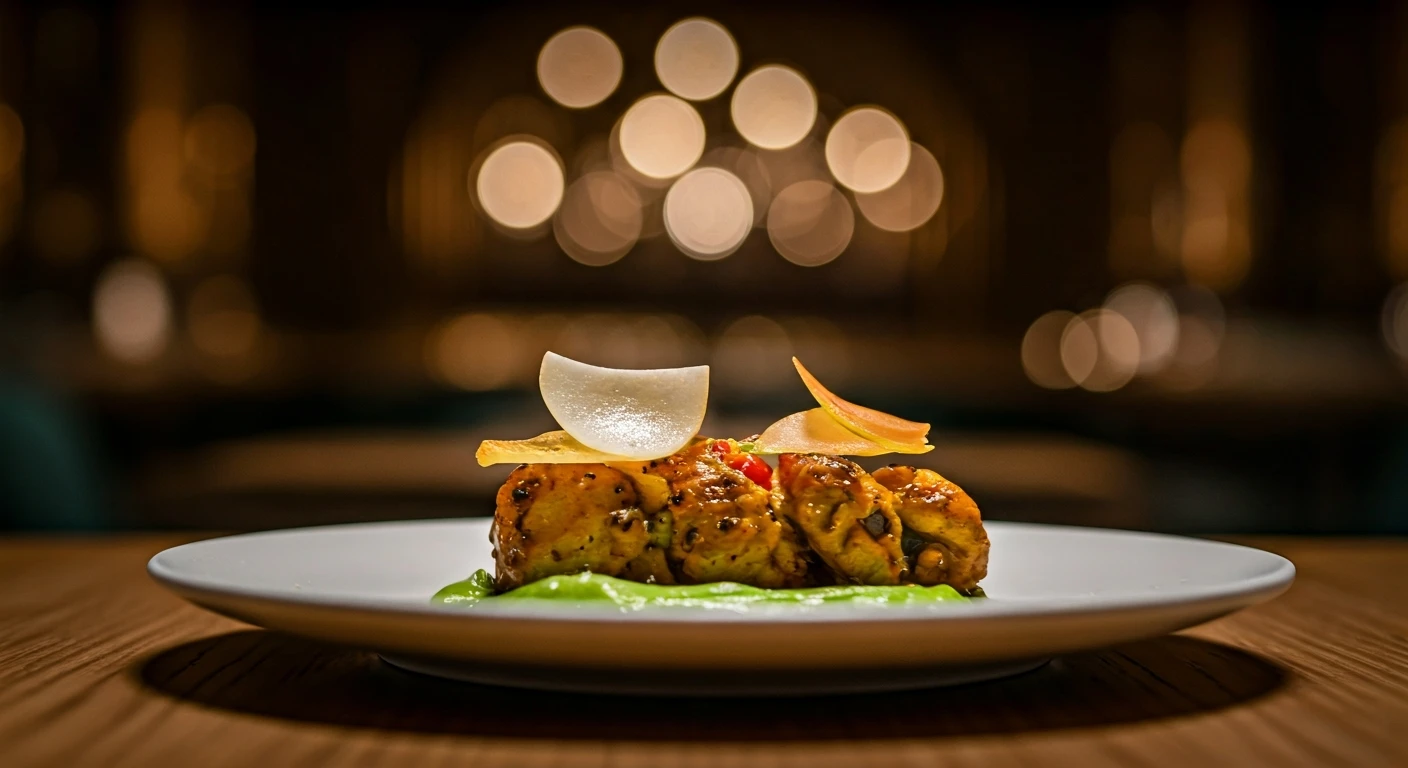
A Backlash to Over-Innovation
Remember the era of foams, gels, and "deconstructed" everything? For a while, fine dining felt like a science experiment. Chefs, chasing Michelin stars and avant-garde glory, pushed ingredients into unrecognizable forms. It was intellectually stimulating,
sure, but was it satisfying? Often, the answer was no. Diners left feeling more confused than comforted, longing for something they could actually identify. That culinary pendulum has swung back, hard. Today’s most exciting restaurants aren’t trying to trick you; they’re trying to delight you with something you already love, executed flawlessly. The shift represents a collective exhale—a return to the fundamental pleasure of eating good food, not just appreciating a clever concept. True mastery, it turns out, is about perfecting a classic flavor, not inventing an alien one.
The Instagram Imperative
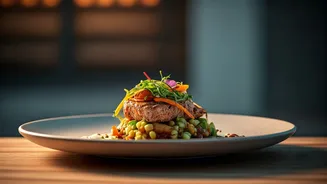
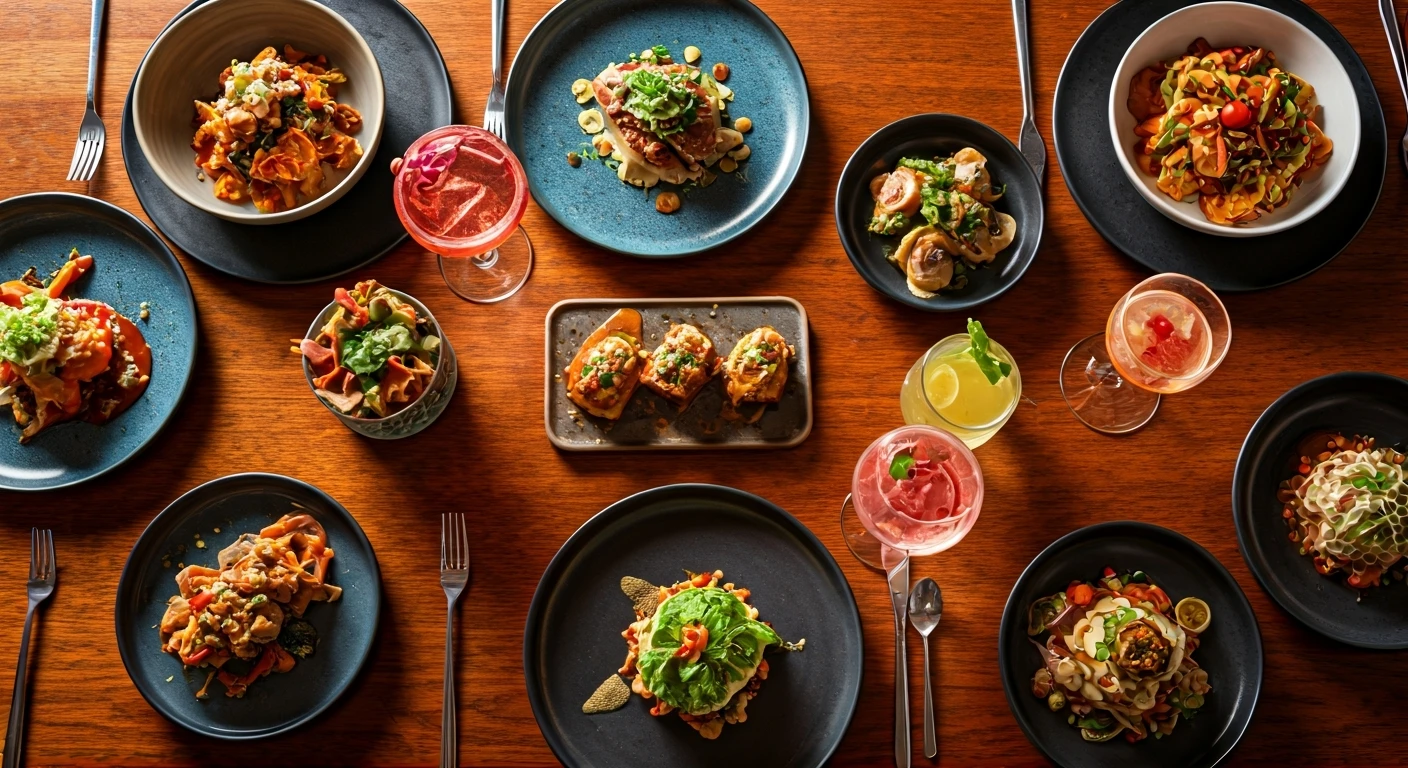
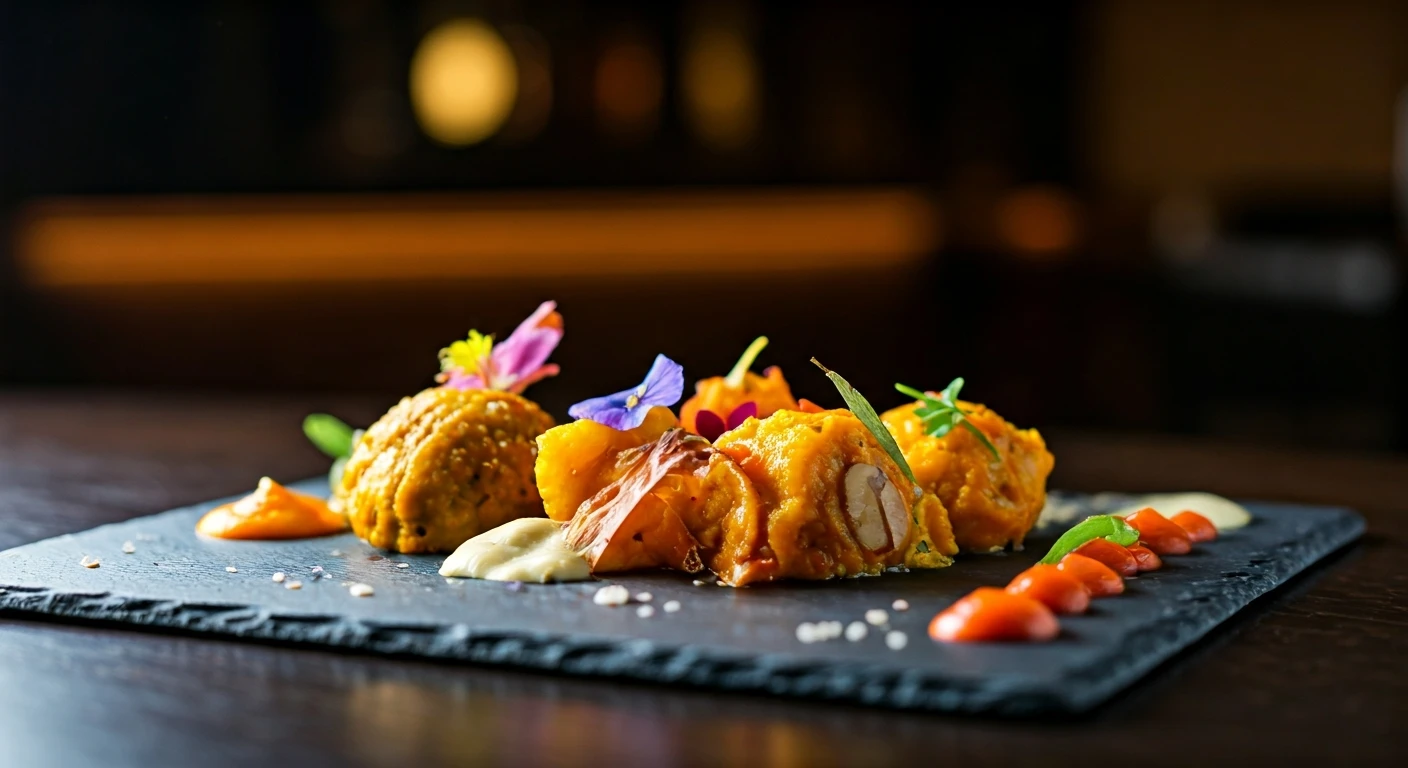
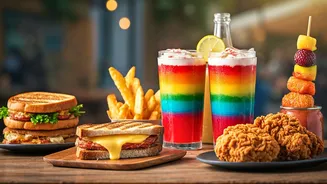
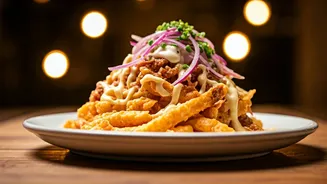
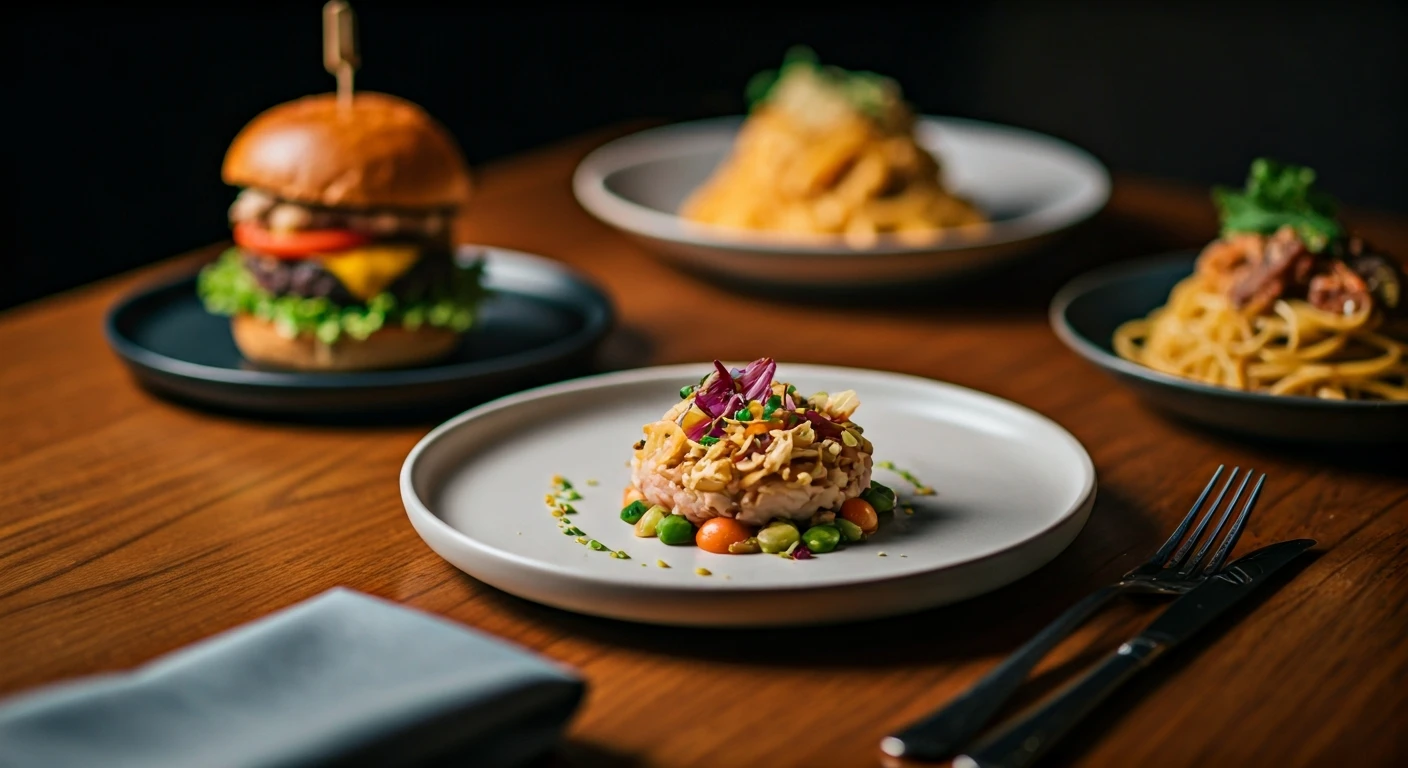
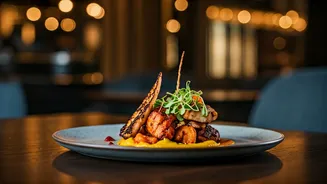
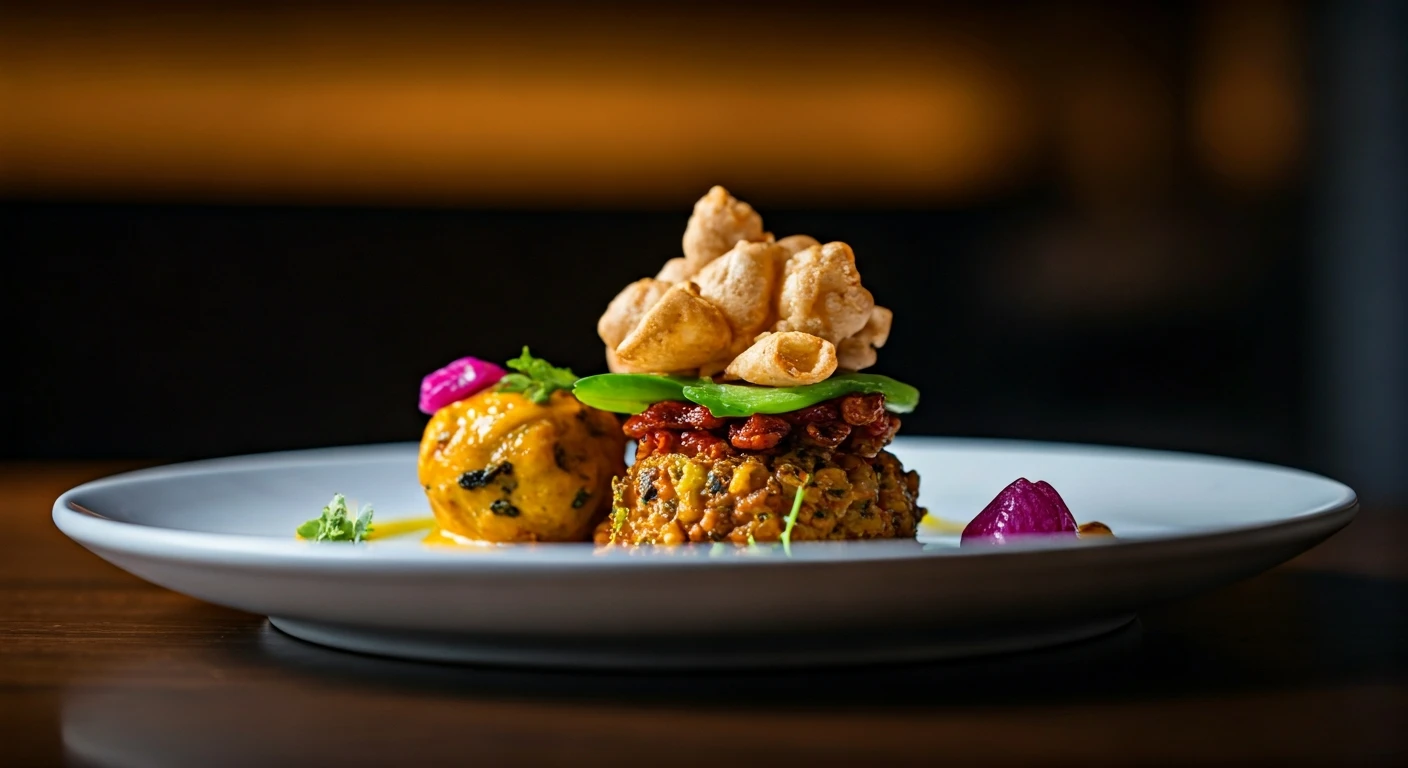
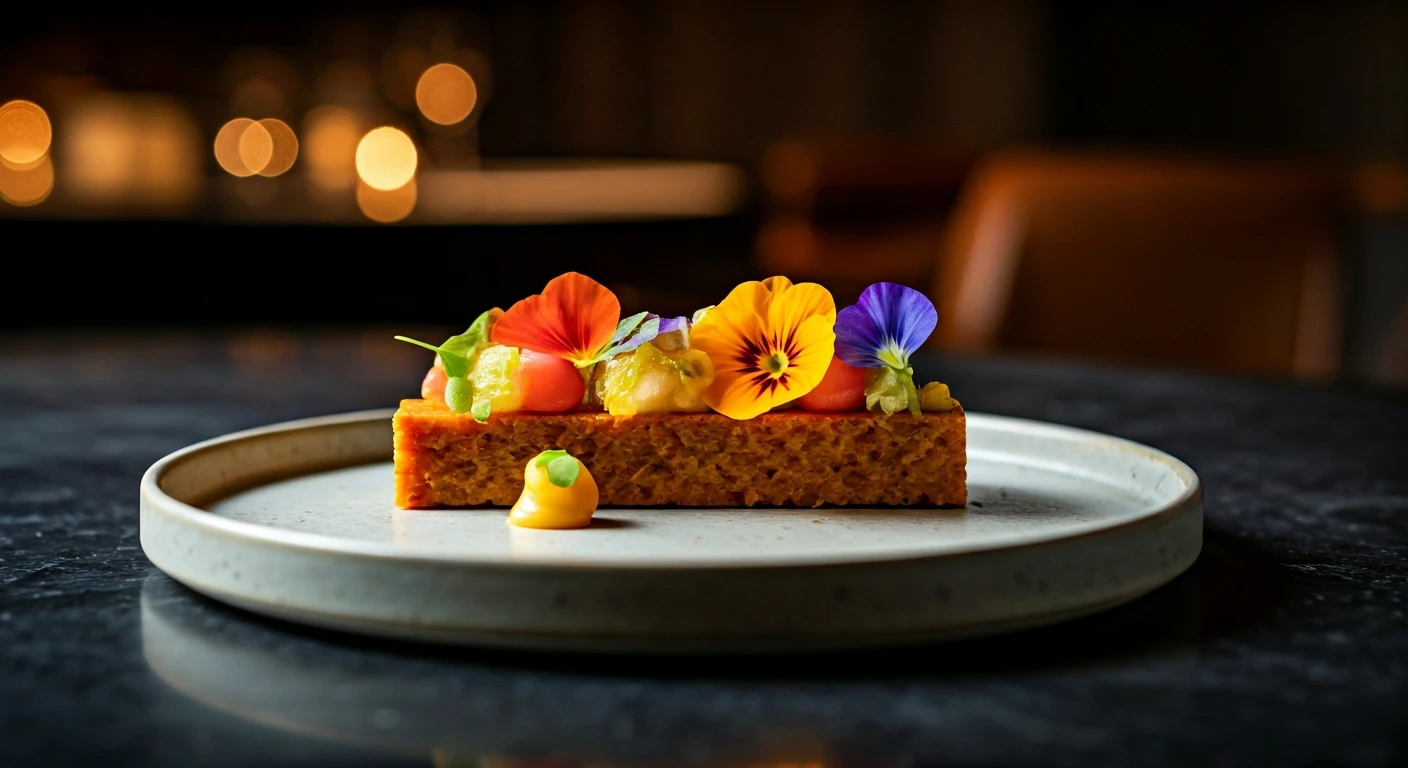
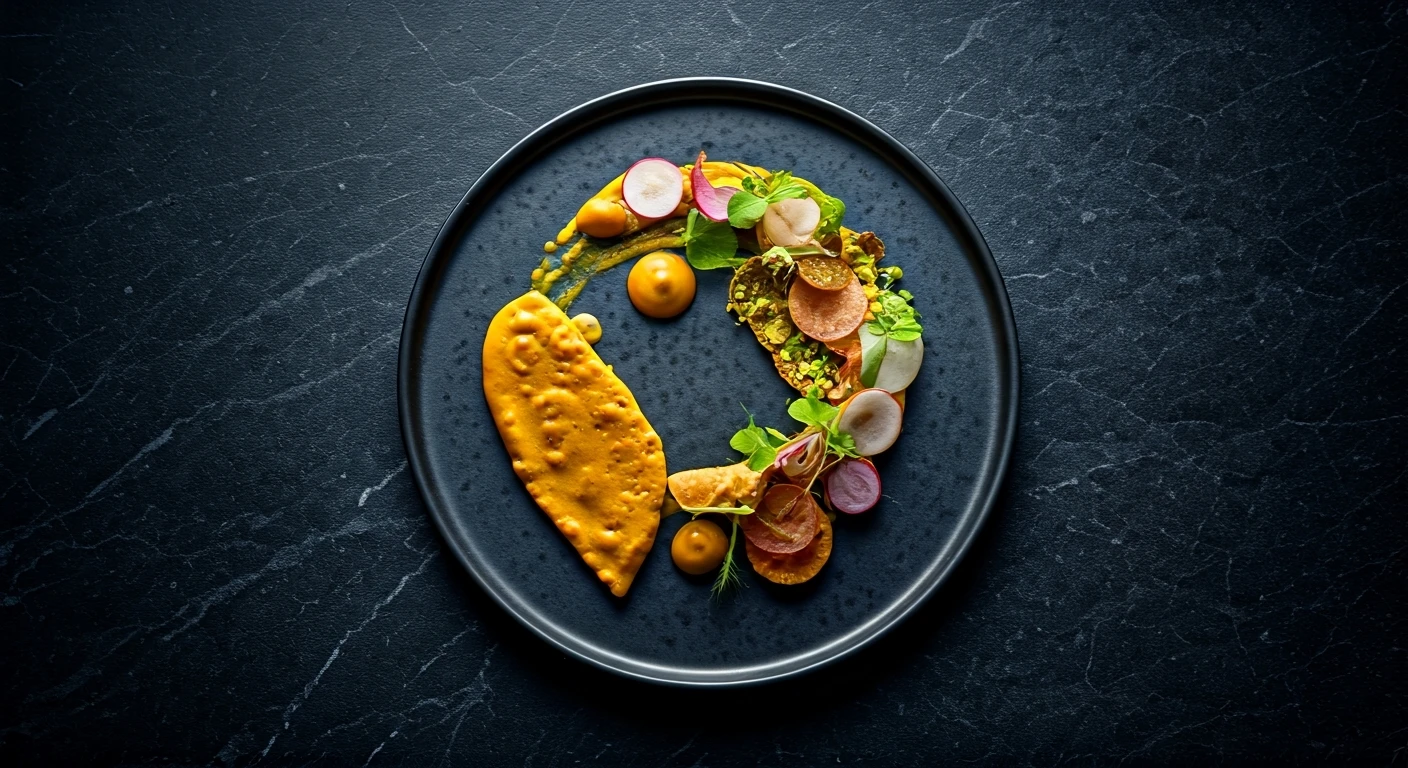
This return to familiar flavors comes with a distinctly modern twist: the plate itself has become the stage. In the age of social media, we eat with our eyes first, and our phones second. A dish that doesn't photograph well might as well not exist for a huge segment of diners. This is the "plate pops" part of the equation. A simple bowl of pasta becomes an event when it’s served in a handmade ceramic bowl, swirled into a perfect nest, and dusted with cheese like a fresh snowfall. A humble fried chicken sandwich is elevated when it’s presented on a sleek platter, its craggy crust glistening under the restaurant’s perfect lighting. This isn’t just vanity; it’s a savvy business strategy. A visually stunning dish is free marketing, shared across hundreds of accounts, creating a feedback loop of desire. The plate is no longer just a vessel; it’s a frame for a work of art.
The Art of Elevated Simplicity
So, what does it take to make this formula work? It’s about more than just a pretty picture. The "familiar flavour" has to deliver. This is where technique and ingredient sourcing become paramount. The burger that costs $28 had better be made with a custom blend of dry-aged beef, a brioche bun baked in-house, and a secret sauce that took months to perfect. The viral cacio e pepe relies on perfectly emulsified cheese and starchy pasta water, a deceptively simple feat that trips up countless home cooks. This approach honors nostalgia while refusing to be lazy. It’s the difference between mom's meatloaf and a chef's version with a red wine glaze and silken potato puree. The flavor profile is comforting and recognizable, but the execution is precise, professional, and worthy of the price tag. The beauty of the plate promises a deliciousness that the kitchen must then deliver.
When Looks Are Deceiving
Of course, there's a downside to this trend. When the focus on aesthetics outweighs the commitment to flavor, the entire experience falls flat. We’ve all been to that restaurant: the one with a gorgeous interior and plates that look like they belong in a museum, but where the food itself is bland, under-seasoned, or just plain mediocre. This is style over substance, and savvy diners can spot it a mile away. A beautiful plate can’t save a dry piece of fish or a soupy risotto. It's a bait-and-switch that diners resent. The most successful chefs understand that the visual “pop” is a promise, not a replacement for quality. It’s an invitation to enjoy something special, and if the flavors don’t live up to that visual hype, the magic is instantly broken. The plate should amplify the food, not apologize for it.