


Your Pet’s Metabolic Engine
Think of your pet’s metabolic system as the intricate engine room of a ship. Its primary job is to take fuel (food) and convert it into energy for everything from chasing a ball to simply breathing. This complex network of hormones and enzymes breaks
down proteins, fats, and carbohydrates, directing them where they need to go. When the engine is running smoothly on high-quality fuel, it efficiently powers daily activities, repairs cells, and maintains a healthy weight. But just like a high-performance engine, it’s sensitive to the quality of the fuel it receives. For dogs and cats, whose ancestral diets were rich in protein and fat, their metabolic machinery is specifically tuned for those ingredients. When the wrong type of fuel is consistently supplied, the entire system can start to sputter and strain.
The Fuel Problem: How Poor Nutrition Causes Breakdowns
Many modern pet foods are packed with inexpensive fillers, particularly refined carbohydrates like corn, wheat, and soy. While not inherently toxic, these ingredients are not the optimal fuel source for most cats and dogs. A diet consistently high in these carbohydrates can overwhelm their metabolic system. The body releases insulin to manage the flood of sugar from carb breakdown. Over time, this can lead to insulin resistance, a condition where the body’s cells stop responding properly to insulin’s signals. The result? The body starts storing excess energy as fat, paving the way for obesity. This metabolic dysfunction is a gateway to more serious conditions. Obesity is the most common nutritional disease in pets in the U.S. and a major risk factor for diabetes, pancreatitis, joint problems, and even certain types of cancer. It’s not just about calories; it’s about the biological signals the food sends to your pet’s body.
Red Flags of Metabolic Stress
A struggling metabolic system often sends out warning signals. Recognizing these early can help you and your veterinarian intervene before a minor issue becomes a chronic disease. One of the most obvious signs is unexplained weight gain or difficulty losing weight, even with controlled portions. Another key indicator is a change in thirst and urination patterns; excessive thirst (polydipsia) and urination (polyuria) are classic signs of diabetes. Pay attention to your pet’s energy levels. Persistent lethargy or a sudden disinterest in play could signal that their body isn’t converting food into usable energy efficiently. Changes in appetite, whether a sudden increase or decrease, can also be a clue. While these symptoms can be linked to other issues, they frequently point back to a system under metabolic strain, often stemming from diet.
Defining “Quality” in the Food Bowl
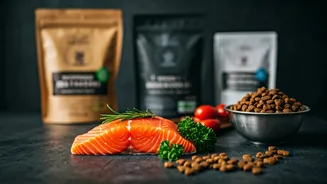
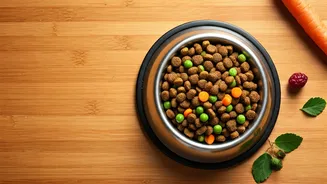
So, what does “quality nutrition” actually look like? It means choosing a food that works with, not against, your pet’s natural metabolism. The single most important factor is a high-quality, species-appropriate protein source. Look at the ingredients list on the bag or can. For dogs and cats, a named meat source (like “chicken,” “beef,” or “salmon,” not vague “meat by-products”) should be the first ingredient. This ensures the foundation of their diet is the protein their bodies are designed to use. Healthy fats, like those from fish oil, provide a dense source of energy and support skin, coat, and brain health. Finally, minimize fillers. While some carbohydrates are necessary in dry food production, look for diets where they are less prominent. Whole food ingredients like sweet potatoes or peas are generally preferred over processed grains. Ultimately, a “quality” diet is one that is rich in the nutrients your pet can easily digest and use, putting less stress on their metabolic engine.