



An Oasis in the Desert State
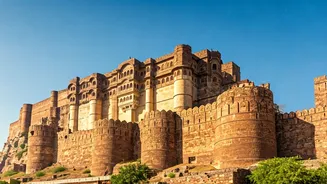
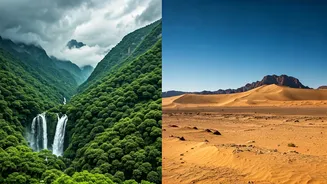
Mention Rajasthan to most American travelers, and their minds fill with images of sand dunes, camel treks, and the sun-baked forts of Jaipur and Jodhpur. It’s a land of vibrant, arid beauty. Which is precisely what makes Mount Abu so jarring, and so magical.
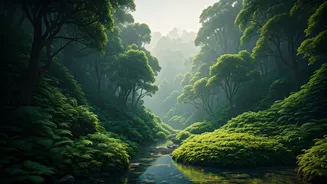
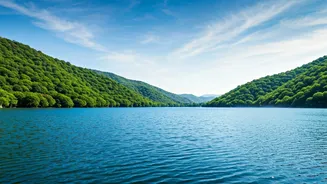
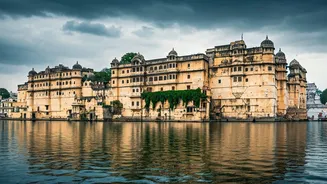
Tucked away in the ancient Aravalli Hills near the Gujarat border, it’s a lush, green anomaly—an alpine retreat in a desert kingdom. The air here is cooler, the landscape is dotted with palms and conifers, and the centerpiece is the serene Nakki Lake, said to have been carved by the gods. For centuries, it has served as a summer capital and spiritual haven, a place to escape the blistering heat of the plains. This unique geography isn't just a pleasant change of scenery; it’s the engine for the atmospheric magic that unfolds every evening.
The Myth of the Clear-Sky Sunset
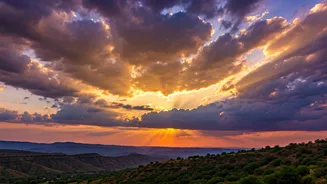
We’ve all been conditioned to seek out a clear day for the best sunset. We want an unobstructed view of the sun dipping below a crisp, clean line. But Mount Abu offers a powerful counterargument. Here, especially during and after the monsoon season, the sky is rarely empty. Instead, it’s a stage filled with players: wisps of cirrus, plump cumulus drifters, and low-slung blankets of stratocumulus. A clear-sky sunset is a simple, beautiful statement. A cloudy sunset, however, is a conversation. The clouds become a three-dimensional screen, catching, filtering, and scattering the light in ways a clear sky never could. They hold onto the color long after the sun has vanished, creating a slow-burn performance that evolves minute by minute. The experience teaches you that sometimes, the most beautiful views are the ones with a little bit of beautiful interference.
The Ritual at Sunset Point
The daily pilgrimage to watch this celestial show is a ritual in itself. As late afternoon approaches, a gentle migration begins toward Sunset Point, a dedicated lookout southwest of Nakki Lake. The atmosphere is less like a silent, contemplative nature walk and more like a friendly, open-air festival. Families spread out on blankets, vendors sell roasted corn and hot chai, and a low hum of chatter in a dozen languages fills the air. It’s a shared, communal anticipation. You find a perch on the terraced steps or a rocky outcrop, looking out over the sprawling valley below. The view is immense, with rolling hills fading into a hazy, distant horizon. Everyone is here for the same reason, and that collective focus creates a powerful sense of presence. You’re not just watching the sky; you’re part of a tradition.
When the Clouds Catch Fire
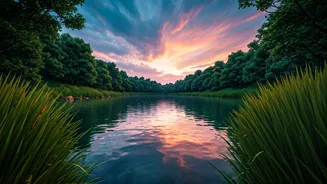
And then, the show begins. As the sun starts its descent, the magic isn’t in the orb itself, but in what it does to the clouds around it. The first phase is golden. The undersides of the clouds light up, their grey masses suddenly rimmed with brilliant gold leaf. The light isn’t harsh; it’s diffused and soft, as if the sky has been airbrushed. Then, as the sun sinks lower, the palette shifts. The gold deepens into fiery orange and then bleeds into impossible shades of magenta and violet. High-altitude clouds, nearly invisible moments before, catch the last rays and glow like pink embers against a deepening indigo backdrop. The light doesn’t just color the sky; it gives it texture and depth. It’s a slow, dramatic performance that feels both grand and intimate, a spectacle that makes you forget to even take a picture.