




Rethink the Perfect Lawn
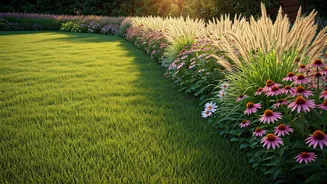
The shift toward wildlife-friendly gardening begins with a new perspective. For decades, the ideal American yard was a monoculture of perfectly manicured, non-native turfgrass, often maintained with a cocktail of fertilizers and pesticides. While neat,
these green carpets are ecological deserts, offering virtually no food or shelter for local fauna. A wildlife-friendly zone, by contrast, embraces a bit of managed wildness. It values a buzzing patch of clover, a fallen log providing shelter for insects, and a flower bed teeming with activity over sterile perfection. This isn't about letting your yard go; it’s about curating a habitat that serves a purpose beyond aesthetics, becoming a functional part of the local ecosystem.
Prioritize Native Plants
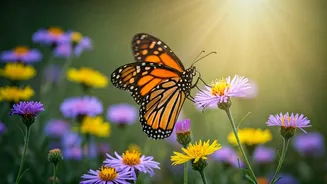
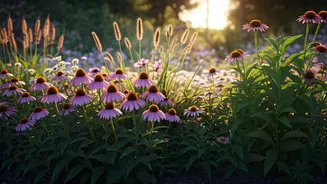
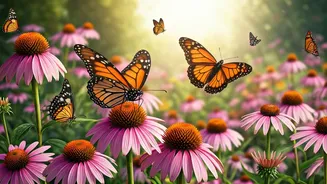
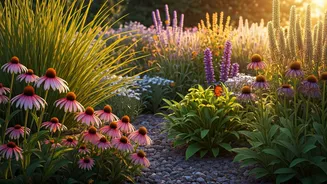
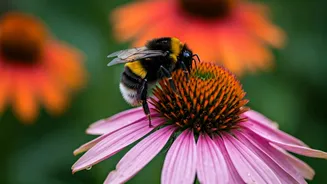
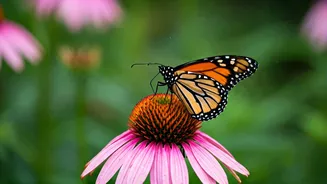
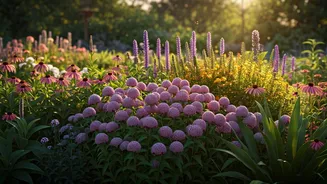
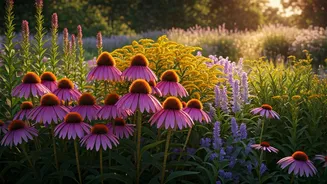
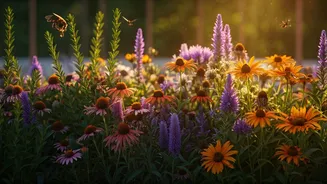
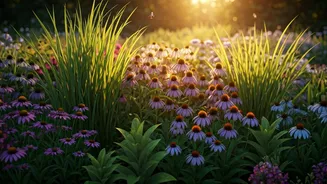
If you do only one thing, make it this: plant natives. Native plants are the foundation of a healthy local food web. They are the species that have co-evolved for millennia with the insects, birds, and other animals in your specific region. A classic example is the relationship between monarch butterflies and milkweed; monarch caterpillars can eat nothing else. Similarly, a native oak tree can support over 500 species of caterpillars, which are essential food for baby birds. A non-native, ornamental tree might support fewer than a dozen. By choosing plants like coneflowers, goldenrod, and local grasses, you are stocking the pantry for pollinators and providing the right food at the right time for a complex web of life.
Provide Food, Water, and Shelter
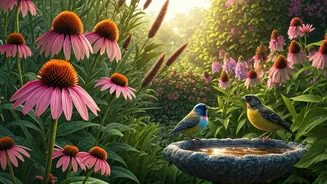
Like all living things, wildlife needs three key resources to survive. Beyond planting, you can actively provide these elements. * **Food:** Supplement native plantings with feeders. A simple bird feeder can attract a stunning variety of species, but also consider offering suet in winter for energy or nectar for hummingbirds. Avoid leaving out food that attracts unwanted pests or habituates large mammals like raccoons and bears. * **Water:** A consistent water source is a magnet for wildlife. This can be as simple as a shallow bird bath (cleaned regularly to prevent disease) or a small, self-circulating fountain. Even a shallow dish filled with pebbles and water can give bees and butterflies a safe place to drink. * **Shelter:** Wildlife needs places to hide from predators and the elements. This can be a dense shrub, a pile of brush or logs in a back corner, or a purpose-built structure like a bat house or a nesting box for birds. Letting leaves remain on your garden beds over winter also provides crucial shelter for overwintering insects.
Embrace Layers and Mess
Nature isn’t neat, and the most effective wildlife gardens mimic this beautiful complexity. Think in layers, from the ground up. Start with groundcover plants, add a middle layer of perennials and shrubs, and finish with taller trees. This vertical structure provides diverse habitats for different species. Resist the urge to deadhead every flower; the seed heads of plants like sunflowers and coneflowers provide a vital food source for finches and other birds in the fall and winter. A fallen log or a small brush pile isn't an eyesore; it's a five-star hotel for insects, amphibians, and small mammals, which in turn become food for larger animals. This “mess” is the engine of a healthy garden ecosystem.
Eliminate Harmful Chemicals
Creating a sanctuary for wildlife means making it safe. The broad-spectrum pesticides used to kill a few “pests” are often indiscriminate, wiping out beneficial insects, including pollinators like bees and the caterpillars that birds rely on. Herbicides used to kill weeds can eliminate important food sources. Instead of reaching for a chemical spray, embrace integrated pest management. Encourage natural predators like ladybugs and lacewings (which you can do by planting natives!), remove pests by hand, and accept that a little bit of insect damage is a sign of a healthy, functioning garden. A few holes in a leaf aren't a failure; they’re evidence that your garden is providing a meal and doing its job.