
The Gospel of the Grind
It wasn't long ago that 'hustle culture' was the dominant professional ethos, especially for Millennials entering a precarious job market. It was a gospel preached by tech founders and motivational influencers, glorifying 80-hour workweeks, sleeping under your
desk, and treating burnout as a badge of honor. The message was clear: if you weren't sacrificing everything for your career or side-hustle, you simply didn't want it badly enough. Social media feeds were filled with #grindset and #hustlehard posts, showcasing pre-dawn workouts and late-night emails. Ambition was performative, and the person who appeared to be working the hardest was crowned the winner, even if they were running on fumes and caffeine.
The Pandemic-Fueled Reckoning
Then, the world stopped. The COVID-19 pandemic acted as a global pattern interrupt, forcing a collective re-evaluation of what truly matters. For millions of Americans working from home, the flimsy boundaries between work and life didn't just blur; they completely evaporated. The commute was gone, but so was the ability to ever truly log off. This forced proximity to the unsustainable nature of modern work led to a mass epiphany. The World Health Organization had already recognized burnout as an occupational phenomenon, but the pandemic made it a kitchen-table conversation. People began to ask: What is all this striving for? The 'Great Resignation' and the 'Quiet Quitting' phenomenon weren't just about seeking better pay; they were a systemic rejection of a work culture that demanded total personal sacrifice for corporate gain.
Sleep as the New Status Symbol
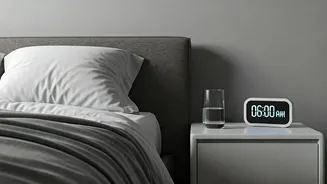
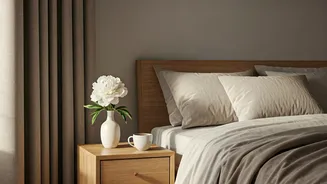
As the glamour of 'hustle' faded, a new protagonist emerged: sleep. Once seen as a necessary evil or a sign of weakness, getting a full eight hours has become the ultimate status symbol. It signifies that you have your life so under control that you can afford to power down. This shift has powered a booming 'sleep-industrial complex.' High-tech mattresses, weighted blankets, sleep-tracking rings, and meditation apps are marketed not just as wellness tools, but as investments in peak performance. In a fascinating inversion of hustle culture, optimizing your rest is now framed as the smartest way to get ahead. Celebrities and CEOs who once boasted about their 4 a.m. wake-up calls now tout their religious adherence to a healthy sleep schedule. Sleep is no longer for the weak; it's for the wise.
From Hustle to 'Soft Life'
The elevation of sleep is part of a broader cultural movement. Concepts like the 'soft life'—a lifestyle that prioritizes peace, comfort, and low stress over constant striving—have gained traction, particularly among Gen Z. This new generation of workers enters the workforce with a healthier skepticism of corporate loyalty and a clearer understanding of the costs of burnout. They are less impressed by the performance of overwork and more interested in jobs that respect personal time and mental health. This isn't about laziness; it's about sustainability. It’s a strategic retreat from a game that seemed rigged from the start, where the ultimate prize for winning the rat race was simply more race.