






The Allure of the Moody Getaway
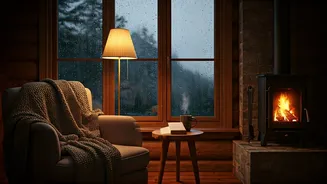
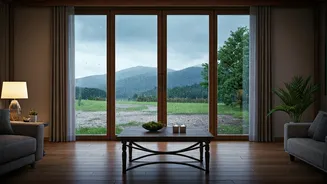
First, let's define our terms. The 'rain aesthetic,' popular on platforms like Instagram and TikTok, romanticizes quiet, cozy, and introspective moments. For a vacation rental, this translates into photos of dimly lit rooms, plush blankets, stacks of books,
and artfully placed coffee cups. The promise is not adventure, but a beautiful, comfortable retreat from the noise of the world. It’s a powerful fantasy, tapping into a collective desire for 'cozy season' to last all year long. This branding strategy isn’t without merit. It helps a property stand out in a sea of generic, brightly lit real estate photos. It tells a story and sells a feeling, which is the cornerstone of good marketing. A potential guest sees the photo and imagines themselves there, curled up and content, finally able to disconnect. In a crowded marketplace, having a distinct personality is a huge advantage, and the rain aesthetic offers a ready-made one that feels both modern and timeless.
When Vibe Overwhelms Value
Here’s the problem: a booking isn’t a daydream. It’s a transaction. When a guest moves from idly scrolling to seriously considering your property, their mindset shifts from fantasy to logistics. They are about to spend hundreds, if not thousands, of dollars. And at that point, a moody photo of a foggy forest through a window becomes less of an asset and more of an obstacle. An over-reliance on aesthetics can often obscure the very details a guest needs to feel confident enough to click 'Book Now.' Can they see how clean the bathroom is from a photo of a candle flickering next to the tub? Does a close-up of a knitted throw blanket tell them if the kitchen has a decent coffee maker or just a jar of instant? The rain aesthetic, when executed poorly, prioritizes mood over information. It creates suspicion. If all the photos are dark and artistically cropped, a savvy traveler starts to wonder what you’re hiding. Is the room smaller than it looks? Is the furniture worn out? Is the view actually of a brick wall?
The Unsexy Details That Drive Decisions
While a great vibe can catch a traveler’s eye, the decision to book is almost always driven by a checklist of practical concerns. These are the boring, un-aesthetic fundamentals that build trust and justify a purchase. First and foremost is social proof. A dozen glowing reviews mentioning the property's cleanliness, comfort, and the host's responsiveness will outperform the most beautiful photograph every time. Second is clarity. Guests need to see the whole picture—literally. Wide-angle shots of each room, in good light, are non-negotiable. They want to see the layout, the size of the shower, the appliances in the kitchen, and the workspace for their laptop. Third are the amenities. Don’t just mention you have Wi-Fi; list the speed if you can. Don't just say there's a kitchen; list the equipment. Is there a washer and dryer? Air conditioning? Blackout curtains? These details, while not 'aesthetic,' are the building blocks of a comfortable stay.
Balancing Aesthetics With Substance
The answer isn’t to abandon aesthetics and create listings that look like sterile classified ads. The most successful properties do both. They use the 'rain aesthetic' or another distinct style as the hook, but they back it up immediately with substance. Lead with your stunning, moody hero shot. But make sure the second, third, and fourth photos are bright, clear, and comprehensive shots of the living room, bedroom, and bathroom. Intersperse your artistic close-ups of the espresso machine with a wide shot that shows the entire kitchen. Use your property description to lean into the cozy vibe, but also to meticulously list every feature. Mention the 'perfect reading nook by the window,' but also state that the property has 300 Mbps fiber optic internet and a smart TV with all the major streaming apps. Think of it this way: the aesthetic is the promise of a feeling, but the detailed photos and amenity lists are the proof that you can deliver it. One without the other is an incomplete sales pitch.