




Check Your Tires: Your First Line of Defense
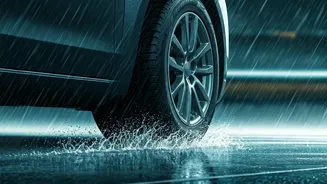
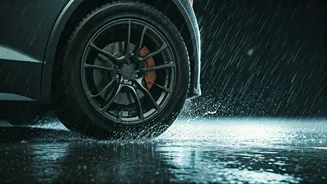
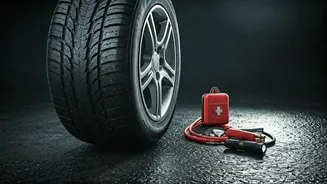
Your tires are the only part of your car that actually touches the road, making them the single most important safety feature in the rain. Before the wet season hits, perform two simple checks. First, inspect your tire tread. The grooves in your tires are designed
to channel water away, preventing hydroplaning. A simple way to check is the 'penny test.' Insert a penny into the tread with Lincoln's head upside down. If you can see the top of his head, your tread is dangerously worn, and it's time for new tires. Second, check your tire pressure. Underinflated tires can't grip the road effectively and are more prone to hydroplaning. Your car’s recommended tire pressure is listed on a sticker inside the driver’s side doorjamb. Check it monthly.
Maximize Visibility: Wipers and Lights
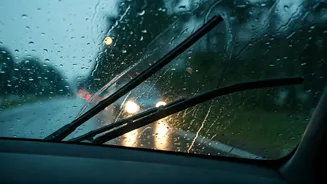
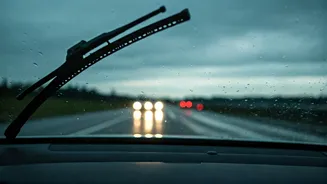
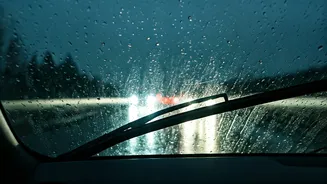
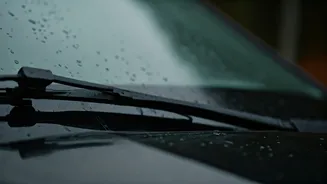
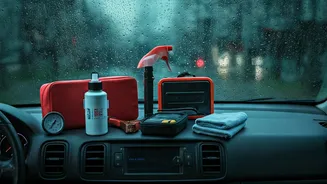
If you can't see, you can't drive safely. Worn-out windshield wipers don't clear water; they smear it, creating a dangerous glare, especially at night. Wiper blades are made of rubber that degrades over time due to sun and use. A good rule of thumb is to replace them every six to twelve months. If your blades are chattering, streaking, or leaving uncleared patches, replace them immediately. Don't forget to top off your windshield washer fluid, preferably with a formula that helps repel rain. Equally important are your lights. Turn on your headlights whenever you use your wipers—it’s the law in many states. This isn't just so you can see; it's so other drivers can see you. Regularly walk around your car to ensure all headlights, taillights, and turn signals are working.
Adjust Your Driving, Not Just Your Car
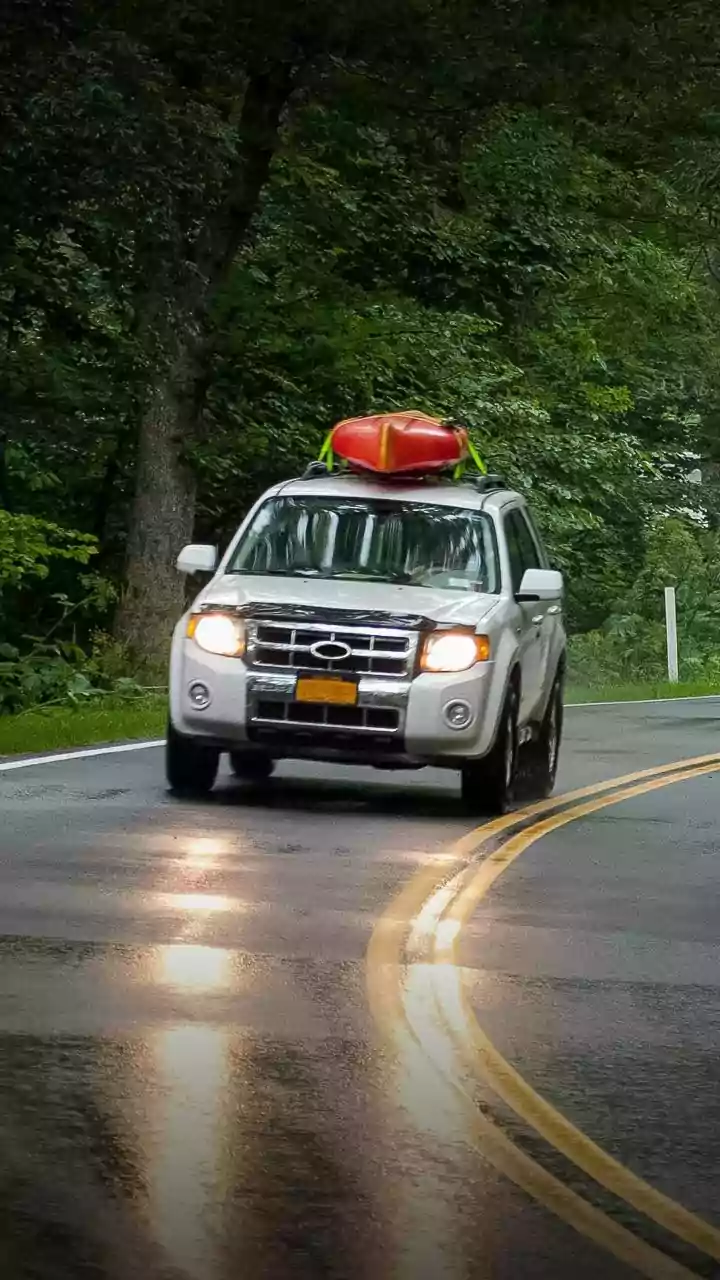
The most important safety feature in any car is a focused driver. When it rains, your primary adjustments should be to slow down and increase your following distance. Wet roads dramatically increase your vehicle’s stopping distance. The three-second rule for following distance in dry weather should become a five- or six-second rule in the rain. This gives you more time to react and brake safely. Furthermore, never use cruise control in wet conditions. If you hydroplane while cruise control is engaged, the system may try to accelerate as it detects a loss of traction, potentially worsening the situation and causing you to lose control.
Know How to Handle a Hydroplane
Hydroplaning—when your tires lose contact with the road and skim across a thin layer of water—is one of the most frightening experiences a driver can have. The key is not to panic. Do not slam on the brakes and do not jerk the steering wheel. Instead, calmly ease your foot off the accelerator. Keep the steering wheel straight. If you need to make a slight steering correction, do so gently. As your car slows down, the tires will regain contact with the pavement, and you will feel control return. The best way to handle a hydroplane is to avoid it in the first place by having good tires and driving slowly.
Assemble a Simple Rain-Ready Kit
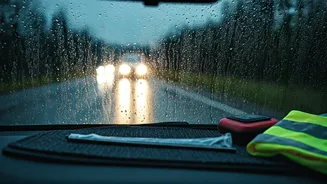
Sometimes, despite your best efforts, you might get stuck. A small, dedicated kit in your trunk can be a lifesaver. Include a rain poncho or jacket, a high-visibility vest, and a waterproof flashlight with fresh batteries. A set of basic road flares or reflective triangles can alert other drivers to your presence if you have to pull over on a dark, rainy night. A portable phone charger or power bank ensures you can always call for help. Finally, a few absorbent towels can be surprisingly useful, whether for clearing a fogged-up interior windshield or for drying off after stepping out into a puddle.