



Beyond the Butter Chicken Monopoly
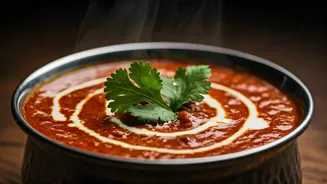
For years, the perception of “Indian food” for many Americans—and even for many urban Indians—was a surprisingly narrow one. It was a landscape dominated by a handful of rich, creamy, and relatively uniform dishes from the northern Mughal tradition: butter
chicken, palak paneer, dal makhani. This was the safe, predictable fare of countless restaurants from New Delhi to New York. In India itself, a colonial hangover meant that “fine dining” often implied French techniques and imported ingredients. Anything truly, regionally Indian was considered humble home cooking, not something you’d pay for at a high-end restaurant. This culinary cringe created a paradox: a country with dozens of distinct, ancient food traditions was represented by a menu that felt like a copy of a copy.
A Return to Regional Roots
The change happening now is a seismic shift away from that homogeneity. A new generation of chefs, restaurateurs, and diners is championing a radical idea: that India’s greatest culinary strength lies in its staggering diversity. Instead of another generic “North Indian” eatery, you now find restaurants in Mumbai, Delhi, and Bengaluru proudly serving the pungent, fermented bamboo shoot dishes of Nagaland in the Northeast, the complex seafood curries of the Konkan Coast, or the sun-dried and spiced vegetables of Rajasthani desert cuisine. These are flavors that were once confined to family kitchens and specific communities. By bringing them into the spotlight, chefs are essentially creating a new, more honest map of Indian food—one where every region gets its voice.
What 'Full Flavour' Really Means
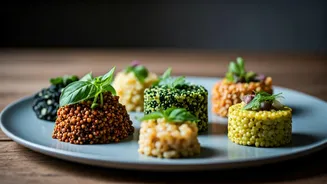
Going “full flavour” isn’t just about cranking up the chili heat. It’s about embracing complexity and authenticity. It means using indigenous ingredients that were previously overlooked by commercial kitchens, like sour kokum fruit for tang, black rice from Manipur, or dozens of local millets and grains instead of just basmati. It’s about re-discovering traditional techniques like open-fire cooking, slow fermentation, and stone grinding, which create depths of flavor that modern shortcuts can’t replicate. This movement celebrates bitterness, sourness, and funk—the notes often toned down for a Westernized or sanitized palate. It’s an unapologetic declaration that Indian food doesn’t need to apologize for its strong, assertive, and sometimes challenging tastes. It’s flavor as identity.
The New Guard of Indian Chefs
This culinary renaissance is being led by a confident new guard of Indian chefs. Many trained abroad but returned home, not to replicate European food, but to apply modern sensibilities to their own heritage. Chefs like Manish Mehrotra of Indian Accent pioneered the idea of inventive, modern Indian food that was still deeply rooted in tradition. Garima Arora, the first Indian woman to win a Michelin star for her restaurant Gaa (formerly in Bangkok, now reopening in Mumbai), built her reputation on exploring the connections between Indian and Thai cooking with a focus on ancient techniques. Across the country, others are digging into their own family histories and regional specialties, creating menus that are both deeply personal and culturally significant. They are no longer seeking validation from the West; they are setting the agenda themselves.