



1. The Great Digital Detox
In the city, you’re never truly offline. Notifications buzz, emails pile up, and the glow of a screen is a constant companion. A high-altitude holiday offers a natural antidote. While mountain towns from Park City, Utah, to Stowe, Vermont, are equipped
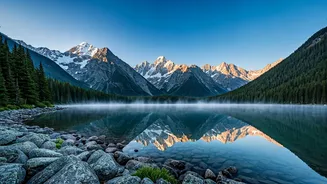
with modern amenities, the environment itself encourages you to disconnect. The sheer scale of the landscape—towering peaks, vast skies, and snow-dusted forests—makes the drama of your inbox feel insignificant. Spotty cell service in a remote valley or on a ski lift becomes a feature, not a bug. It’s a forced mindfulness, compelling you to look up from your phone and engage with the crisp air, the crunch of snow under your boots, and the people you’re with.
2. A Return to Physicality
City life is often sedentary, a loop of commutes, desks, and couches. A mountain vacation flips the script. Days are defined by movement. Whether it’s skiing down the groomed runs of Aspen, snowshoeing through a silent trail system near Lake Tahoe, or simply strolling through the festively lit streets of a village like Telluride, your body is in motion. This isn't the forced exertion of a gym, but joyful, purposeful activity. You’re not working out; you’re exploring. The reward isn’t just endorphins, but breathtaking vistas and a profound sense of accomplishment, capped off by the satisfying ache of well-used muscles at the end of the day.
3. The Culture of Cozy
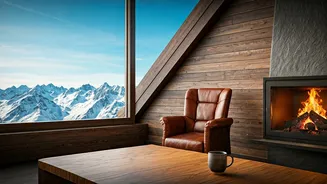
Mountain towns have perfected the art of “hygge” long before it became a buzzword. After a day spent in the bracing cold, the culture is built around warmth and comfort. Think of the quintessential mountain experience: shedding snowy layers to sit by a roaring stone fireplace, sipping a hot toddy or rich hot chocolate. The dining scene leans into this, with hearty, unpretentious fare that feels deeply satisfying. It’s a world of craft breweries, intimate bistros, and lodges where conversation flows easily. This cozy, communal atmosphere is a stark contrast to the often anonymous and transactional nature of urban social life, providing a sense of comfort and belonging that many city dwellers crave.
4. A Necessary Shift in Perspective
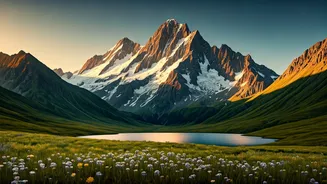
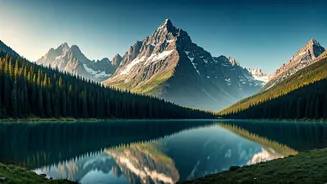
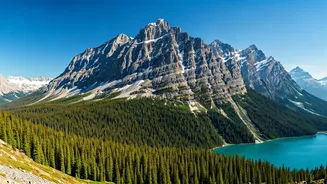
Staring up at a 12,000-foot peak has a way of putting your own problems in perspective. In the urban jungle, the tallest things are man-made structures that reinforce a sense of human competition and ambition. In the mountains, you are humbled by the power and permanence of nature. The quiet grandeur of the Rockies or the Sierra Nevada can recalibrate your priorities. The deadline that seemed life-or-death back in your cubicle feels manageable from a scenic overlook. This isn't just about pretty views; it's a mental reset that helps you distinguish between genuine crises and manufactured stress. You leave with not only memories but a renewed sense of what truly matters.
5. The Enforced Slowdown
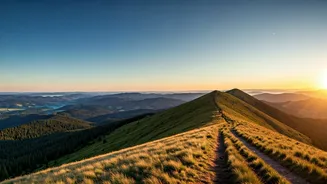
Everything in a mountain town moves at a different pace. There’s no rush hour, no frantic dash for the subway. Life operates on “mountain time.” The rhythm is dictated by sunrise, sunset, and ski lift operating hours. This enforced slowdown is a balm for the overstimulated urban mind. It allows for spontaneity—an unplanned detour to a scenic lookout, an extra hour spent reading by the fire. By removing the constant pressure to optimize every minute, a high-altitude holiday gives you the one gift that’s impossible to find in the city: the permission to simply be.