





The Problem: Death by Drowning
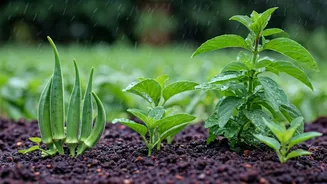
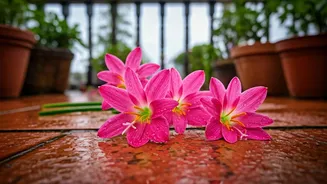
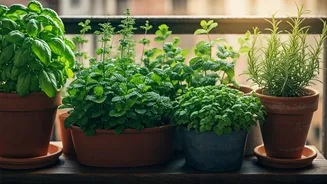
For Americans, a summer thunderstorm might mean bringing a few potted plants under an awning. But the Indian monsoon is a different beast entirely. It’s a season, not just an event, characterized by months of heavy, sustained rainfall. For a balcony garden,
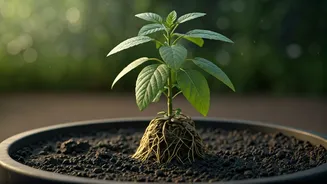
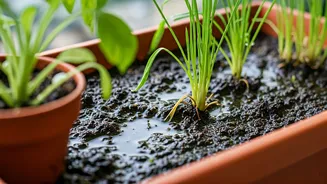
this is a crisis. Unlike plants in the ground, container plants have nowhere for excess water to go. The soil becomes completely saturated, a condition known as waterlogging. The roots, unable to access oxygen from the water-filled soil pores, effectively begin to drown. This leads to root rot, a fungal disease that is the number one killer of potted plants during the monsoon. A beautiful, thriving collection of hibiscus, bougainvillea, and jasmine can turn yellow and wither in a matter of days, not from lack of water, but from a fatal excess of it.
The Solution: A Gritty Foundation
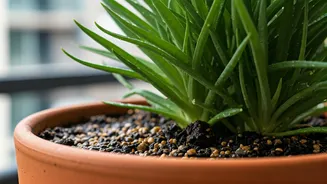
Enter the wisdom of seasoned Indian gardeners. The solution isn't a complex technology but a fundamental change to the growing medium itself. The headline’s “gravel soil” refers to creating a custom potting mix that prioritizes drainage above all else. This isn’t about layering gravel at the bottom of the pot—a practice now largely debunked by horticulturists as it can create a perched water table. Instead, it’s about integrating gritty materials directly into the soil. Gardeners create a blend of traditional potting soil, compost, and a significant portion of inorganic materials like coarse sand, small gravel, perlite, pumice, or crushed brick. This custom blend is often called a “gritty mix.” The goal is to create a substrate that holds just enough moisture for the plant but allows the deluge of monsoon rain to pass through the pot quickly and efficiently, preventing the dreaded waterlogging.
The Science: It’s All About Air Pockets
The science behind this is elegantly simple. Standard potting soil is made of fine organic particles that can compact when wet, closing off the tiny air pockets that roots need to breathe. When you add materials like gravel or sand, you are physically separating these fine particles. The larger, irregular shapes of the grit create bigger, more stable air pockets, or macropores, within the soil structure. During a downpour, water flows freely through these large channels and out the drainage hole. While the organic matter in the mix still retains some moisture for the plant to use between rains, the root zone is never left sitting in stagnant water. It’s a perfect balance: the soil mimics the fast-draining, rocky earth where many resilient plants naturally thrive, ensuring roots get both the hydration and the oxygen they need to survive the onslaught.
A Lesson for American Gardens
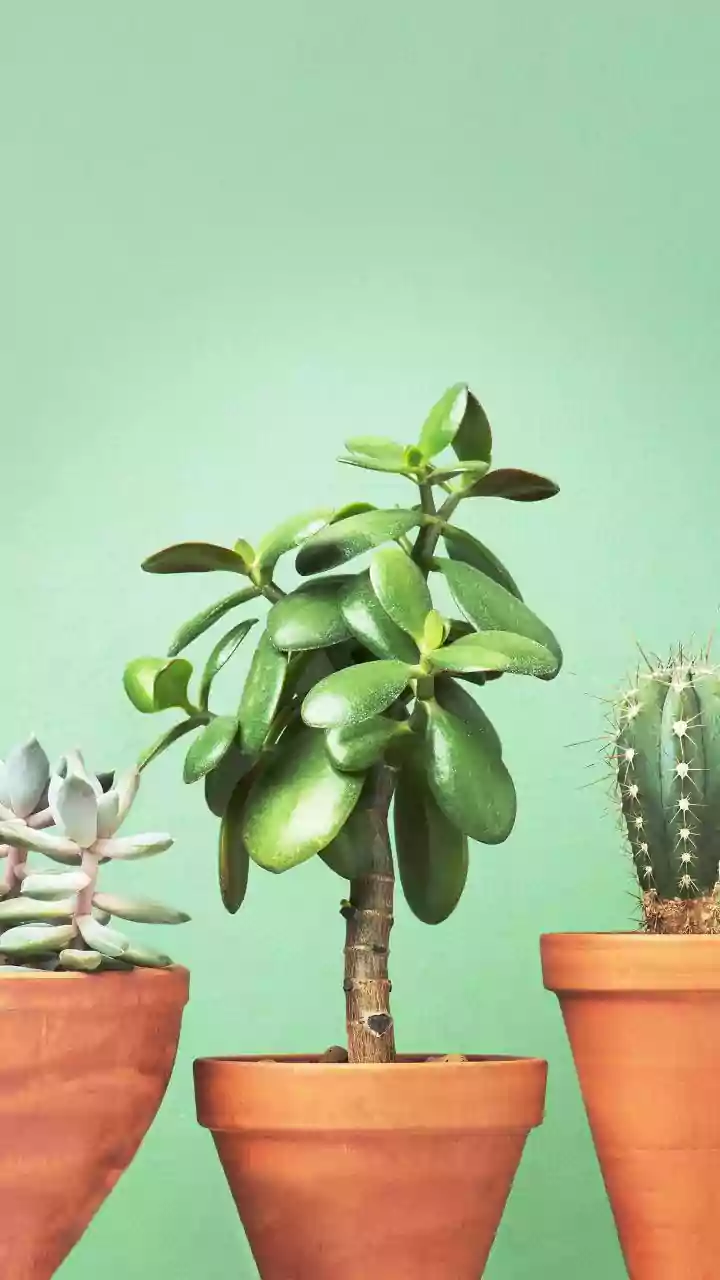
You don’t need to live in Mumbai to benefit from this principle. Anyone with a container garden in a region with heavy summer rainfall—think the pop-up thunderstorms of the Southeast or the drenching rains of the Midwest—can apply this technique. If you’ve ever had succulents turn to mush after a wet week or watched your patio tomatoes yellow at the base, poor drainage is likely the culprit. To create your own “monsoon-proof” mix, start with a quality potting soil and amend it. For drought-tolerant plants like succulents and lavender, a mix of one part potting soil, one part coarse sand or perlite, and one part small gravel works wonders. For thirstier plants like annual flowers or vegetables, try a mix of two parts potting soil to one part compost and one part perlite. The key is to tailor the grittiness to the plant’s needs, ensuring your urban oasis can handle whatever the sky throws at it.