
The Story Behind the Bite
The first pillar of the new food flex is story. A dish is no longer just a dish; it’s a narrative. Today, the most impressive meal isn’t necessarily the one with foie gras and truffle oil. It’s the one where the server can tell you the name of the farmer
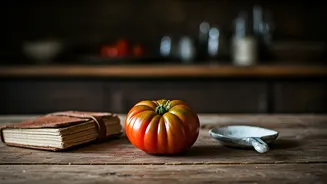
who grew the carrots, or the chef is using a sourdough starter passed down through three generations. This is the power of provenance. We've moved from conspicuous consumption to what you might call 'conscientious consumption.' Knowing the story behind your food—its history, its journey, its cultural significance—has become a form of cultural capital. Posting a picture of a rare heirloom tomato is one thing. Posting it with a caption explaining that it was grown by a specific regenerative farm an hour outside the city? That’s a flex. It says, 'I don't just eat; I understand. I am connected to what I consume.' Restaurants and brands have caught on, turning their menus and packaging into storybooks that highlight heritage breeds, single-origin ingredients, and the chef’s personal history.
Quality Beyond the Price Tag
This leads directly to the second pillar: a redefined sense of quality. For decades, 'quality' in dining was a shorthand for 'expensive.' It meant imported luxury ingredients, white tablecloths, and a Michelin star. While craftsmanship is still revered, the definition has expanded dramatically. Now, quality is about integrity and execution, regardless of price point. The perfect, handmade tortilla from a tiny, family-run taqueria can be a much bigger quality flex than a mediocre $40 pasta at a soulless downtown bistro. It’s about the obsessive pursuit of perfection in a single thing. Think of the baker who spent years perfecting their croissant, the pitmaster who wakes up at 3 a.m. to tend the smoker, or the bartender who infuses their own bitters. This shift democratizes culinary status. You don't need a trust fund to participate; you need a good palate and the curiosity to seek out excellence. The ultimate boast is discovering and appreciating an overlooked gem, proving your taste is more refined than your credit card limit.
Dining as a Destination
Finally, there’s experience. If a meal can be replicated, it’s not a flex. The new pinnacle of dining is an experience so unique it becomes a lifelong memory—and, not coincidentally, unbeatable social media content. This is about more than just good food and service. It’s about the entire sensory package. It might be a pop-up dinner on a farm, a secret tasting menu served in a chef’s own home, or a meal at a restaurant with such a specific, immersive atmosphere that you feel transported. The experience economy has fully merged with the food world. People are willing to pay a premium not just for what’s on the plate, but for the context surrounding it. Was the dinner held in a historic building? Did you get to forage for one of the ingredients yourself? Did a live band play? These elements are not garnish; they are the main course for a generation that values moments over materials. A photo of a steak is just a photo of a steak. A video of a chef torching a dessert tableside in a candlelit barn is an experience others will envy.