


Embrace the 80/20 Rule
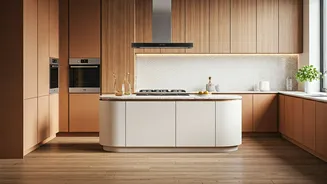
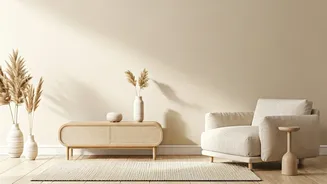
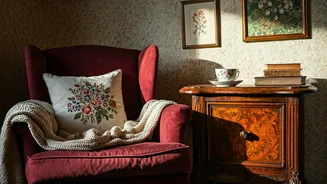
One of the most reliable guidelines for mixing old and new is the 80/20 rule. Aim for your space to be roughly 80% contemporary and 20% vintage. This ensures your home feels fundamentally modern and fresh, while the vintage items act as compelling highlights
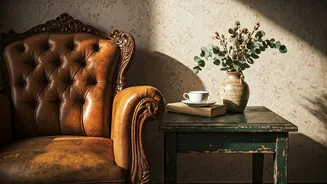
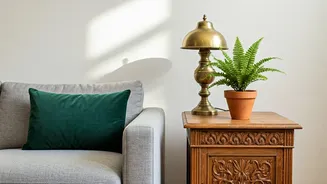
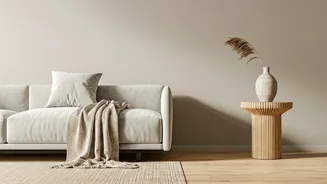
rather than overwhelming the room. Think of it as a solid, neutral foundation (your modern furniture, clean walls) providing the perfect backdrop for a few special, character-rich pieces to truly shine. A sleek, modern sofa paired with a weathered antique side table, for example, creates an immediate and sophisticated contrast.
Create Intentional Vignettes
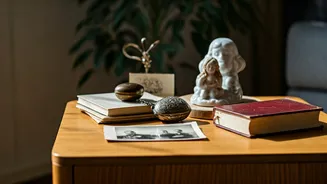
Resist the urge to scatter your vintage finds throughout a room. A lone piece of antique glassware on one shelf and a single old book on another can look accidental and create visual noise. Instead, group items to create small, deliberate arrangements, or “vignettes.” On a bookshelf or console table, cluster a small stack of vintage novels, a brass candlestick, and a small framed oil painting. This transforms disparate objects into a cohesive, artful moment. It tells a story and creates a focal point, drawing the eye and allowing each piece to feel purposeful.
Unify with a Cohesive Color Palette
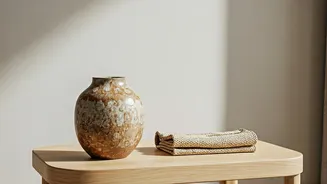
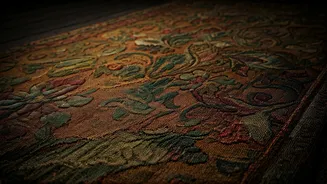
Color is your most powerful tool for making items from different eras feel like they belong together. You can unite a collection of mismatched vintage pottery by choosing pieces within the same color family, like various shades of blue or warm earth tones. Alternatively, use a modern paint color on the wall behind a gallery of antique mirrors or frames to tie them into the room’s overall scheme. This common thread gives the eye a sense of calm and order, preventing the collection from looking chaotic. Even a few throw pillows that pick up a color from a vintage rug can make the entire room feel connected.
Give Every Piece Breathing Room
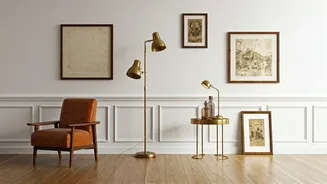
Clutter happens when there’s not enough negative space. A beautiful antique armoire or a stunning mid-century chair loses its impact when it’s squeezed between other furniture. The most cherished vintage pieces deserve to be treated like art. Allow for empty space around them. This not only prevents a room from feeling stuffed but also elevates the perceived value and importance of the item. Before adding a new vintage find, consider what you might need to remove. A well-edited room feels more luxurious and intentional than a room filled to the brim.
Play with Scale and Repurpose Function
Don’t be afraid to think outside the box when it comes to how you use vintage items. A stack of sturdy, antique suitcases can become a charmingly rustic nightstand. An old wooden ladder can be a unique blanket holder in a living room. This approach adds an element of wit and personality to your decor. Similarly, playing with scale adds drama. A single, oversized antique map or an enormous gilded mirror on a clean, modern wall makes a much stronger statement than a dozen small, scattered frames. The contrast in size and function is what creates visual interest.
Curate, Don't Just Collect
Finally, the most important rule is to be a ruthless editor. It’s tempting to bring home every charming find from the flea market, but a curated home is built on love, not just opportunity. Before you buy, ask yourself: Do I truly love this? Where will it live? Does it complement what I already own? The goal is to build a collection of pieces that speak to you and tell your personal story. A home filled with a few meaningful vintage items will always feel more special and less cluttered than a home filled with impulse buys.